Latino-Owned Businesses
Latino-Owned Businesses in 2026: How to Support One of America’s Fastest-Growing Business Communities
Updated July 4, 2026Consumer Guide + Entrepreneurship

On this page (12 sections)
- Quick answer
- Why Latino-owned businesses matter in 2026
- Latino-owned, Hispanic-owned, Latinx-owned, and Spanish-speaking are not the same thing
- The 2026 support ladder
- How consumers can support Latino-owned businesses
- How businesses can include Latino-owned suppliers
- Certification and verification
- A note on immigrant-owned businesses and policy changes
- Latino-owned businesses and AI in 2026
- Common mistakes to avoid
- FAQ
- Sources
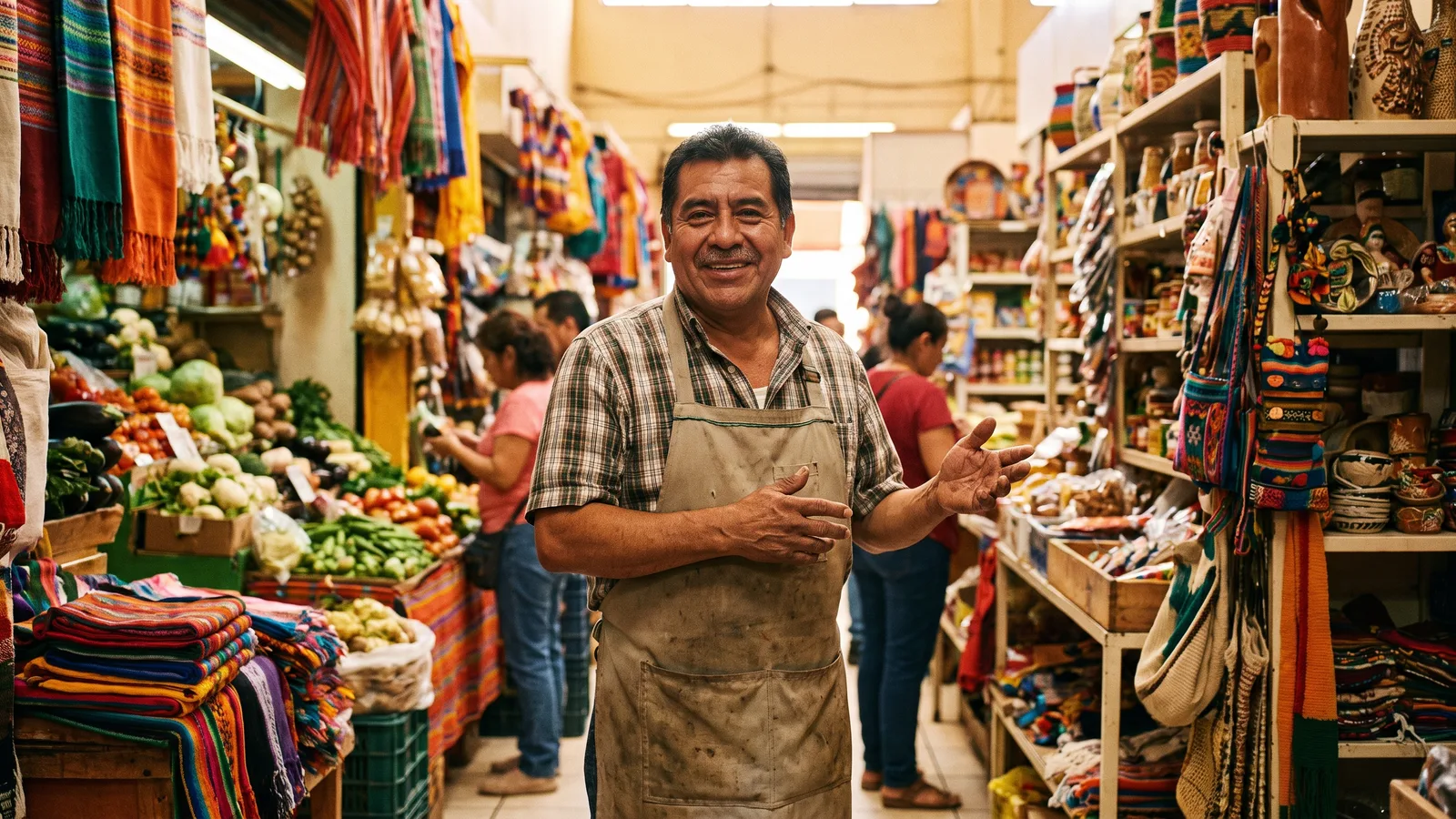
Latino-owned businesses are reshaping the U.S. economy. They are restaurants, contractors, trucking companies, agencies, manufacturers, medical practices, farms, salons, franchises, tech startups, real estate firms, food brands, cleaning companies, media platforms, professional services, and family-run shops that become neighborhood anchors.
Supporting Latino-owned businesses in 2026 is not just about celebrating Hispanic Heritage Month. It is about recognizing one of the most dynamic entrepreneurial communities in the country and making sure that growth is matched by access to capital, visibility, procurement, digital tools, fair policy, and repeat customers.
Quick answer
To support Latino-owned businesses in 2026:
- Buy year-round, not only during Hispanic Heritage Month.
- Search beyond restaurants and retail; Latino-owned firms operate across every major sector.
- Leave detailed bilingual-friendly reviews when relevant.
- Refer ready-to-buy customers and business clients.
- Include Latino-owned vendors in procurement, contracting, events, and professional services.
- Understand certification options such as MBE certification and local Hispanic business programs.
- Verify ownership respectfully through certification, public profiles, or owner self-identification.
- Support growth tools: financing, digital marketing, AI adoption, bookkeeping, hiring, and procurement readiness.
- Be careful with language: Latino-owned, Hispanic-owned, Latinx-owned, immigrant-owned, Spanish-speaking, and community-serving are related but not identical.
Why Latino-owned businesses matter in 2026
Latino entrepreneurship is one of the strongest business growth stories in the United States. Stanford Latino Entrepreneurship Initiative research highlighted in 2025 found that from 2018 to 2023, the number of Latino-owned businesses in the United States increased by 44%, while Latino-owned businesses saw a 36% increase in total revenue. Stanford’s 2026 coverage of Latino business owners also emphasizes how founders are navigating growth, AI adoption, inflation, and capital challenges in the current economy.
A good directory can help readers find these businesses and help owners be discovered by customers, buyers, journalists, investors, and local partners.
Latino-owned, Hispanic-owned, Latinx-owned, and Spanish-speaking are not the same thing
Language matters because readers and business owners may use different terms.
| Term | Common meaning | Directory note |
|---|---|---|
| Latino-owned | A business majority-owned by a Latino/a/e person or people. | Often used in entrepreneurship research and community business guides. |
| Hispanic-owned | A business majority-owned by a person or people of Hispanic origin. | Often used in Census, government, and business data contexts. |
| Latinx-owned | A gender-inclusive term some owners and communities prefer. | Useful as an optional tag, but not every owner uses or likes the term. |
| Latina-owned | A business majority-owned by a Latina woman or women. | Important intersection with women-owned business discovery. |
| Spanish-speaking | A business offers service in Spanish. | Helpful for customers, but not the same as Latino ownership. |
| Immigrant-owned | A business owned by an immigrant entrepreneur. | Some Latino-owned businesses are immigrant-owned; many are not. |
| Latino-serving | A business primarily serves Latino customers or communities. | Can be relevant even when ownership is different. |
The 2026 support ladder
| Level | Action | Example | Why it helps |
|---|---|---|---|
| Free | Share with details | “This Latino-owned CPA firm helped my restaurant with payroll and sales tax” | Sends qualified attention |
| Low cost | Buy a product or meal | Order from a Latino-owned bakery, coffee brand, or food truck | Creates direct revenue |
| Repeat support | Make it a routine vendor | Use the same Latino-owned landscaper, cleaner, mechanic, or accountant | Builds predictable cash flow |
| Reputation support | Leave a detailed review | Mention service quality, language access, speed, and use case | Improves search and trust |
| Referral support | Make warm introductions | Introduce a Latino-owned caterer to an office manager | Reduces customer acquisition cost |
| Business support | Add to vendor lists | Include Latino-owned suppliers in events, facility services, printing, marketing, IT, construction, and consulting | Opens larger opportunities |
| Growth support | Help with digital or financial readiness | Recommend bookkeeping, website, AI, lending, or procurement resources | Helps businesses scale |
The most powerful support is not always a purchase. Sometimes it is an introduction, a contract, a review, or a faster payment.
How consumers can support Latino-owned businesses
1. Search with category, not just identity
Instead of searching only “Latino-owned businesses,” search for what you actually need.
Examples:
- Latino-owned accountant near me.
- Hispanic-owned contractor in Tampa.
- Latina-owned bakery shipping nationwide.
- Latino-owned landscaping company.
- Hispanic-owned law firm.
- Latino-owned coffee brand.
- Spanish-speaking therapist.
- Latino-owned marketing agency.
This helps you find businesses outside the most obvious categories.
2. Leave reviews that mention practical details
Reviews can be especially helpful for local service businesses.
Useful details to include:
- What you bought or hired them for.
- Whether booking was easy.
- Whether the business offers Spanish-language service, if relevant.
- Whether they were on time.
- Whether pricing was clear.
- Who you would recommend them for.
Example:
“We hired this Latino-owned catering company for a 60-person office event. They were on time, clearly labeled vegetarian options, and communicated in both English and Spanish with our team. Highly recommend for workplace events.”
That review helps the business rank and helps future customers decide.
3. Support before and after Hispanic Heritage Month
Hispanic Heritage Month can be a useful discovery moment, but many businesses need support in slower periods too.
Build year-round guides around:
- Holiday gift shopping.
- Back-to-school services.
- Wedding and event season.
- Tax season.
- Home improvement season.
- Small Business Saturday.
- Local festival and market calendars.
- Corporate catering and event planning.
The more specific the guide, the more useful it is.
How businesses can include Latino-owned suppliers
Companies often want to diversify suppliers but do not know where to start. The easiest place is to look at recurring categories.
| Spend category | Latino-owned supplier examples |
|---|---|
| Events | Caterers, venues, photographers, florists, AV, event planners |
| Facilities | Cleaning, landscaping, maintenance, construction, pest control |
| Marketing | Designers, agencies, printers, translators, video, social media |
| Professional services | Accounting, law, HR, consulting, insurance, real estate |
| Food and beverage | Coffee, snacks, restaurants, packaged goods, catering |
| Logistics | Trucking, warehousing, courier, moving, delivery |
| Technology | IT support, cybersecurity, web development, software consulting |
| Employee support | Therapists, coaches, trainers, benefits consultants, financial educators |
Supplier inclusion does not mean lowering standards. It means expanding the candidate pool and removing unnecessary friction.
Certification and verification
Many Latino-owned businesses may qualify for Minority Business Enterprise certification, depending on ownership, control, citizenship/residency requirements, business structure, and certification body rules. NMSDC’s MBE framework uses majority minority ownership and control as a core eligibility concept. Local governments, state agencies, Hispanic chambers, and other procurement programs may have separate certification processes.
For directory purposes, ownership can be labeled in a few ways:
| Verification type | Best use case | Example label |
|---|---|---|
| Certified | Procurement and formal supplier diversity | Certified MBE, local Hispanic-owned certification |
| Publicly documented | Founder profile, website About page, chamber listing | Publicly identified Latino-owned |
| Owner-submitted | Small businesses and local listings | Self-identified Latino-owned |
| Community-sourced | Local recommendations | Suggested, pending verification |
| Unverified | Needs review | Unverified ownership claim |
A transparent site can include all of these without overstating.
A note on immigrant-owned businesses and policy changes
Some Latino-owned businesses are immigrant-owned. Some are owned by U.S.-born Latinos whose families have been in the United States for generations. Some are owned by naturalized citizens. Some are owned by lawful permanent residents. Some are mixed-ownership family businesses.
That distinction matters in 2026 because business financing and public program eligibility can change. For example, AP reported in early 2026 that the SBA said legal permanent residents would become ineligible for its loan programs effective March 1, 2026. Policy changes like that can affect immigrant entrepreneurs, including some Latino business owners, even when their businesses are legally operating and employing people.
This gives readers context without turning a business guide into a legal article.
Latino-owned businesses and AI in 2026
One of the most interesting 2026 angles is AI. Stanford’s 2026 coverage specifically notes Latino business owners navigating growth, AI, venture capital, and inflation. For small businesses, AI can be practical when it helps with translation, customer service, bookkeeping, marketing, scheduling, inventory, hiring, and content creation.
Useful AI use cases for Latino-owned businesses:
| Business need | Practical AI use |
|---|---|
| Bilingual marketing | Draft English and Spanish social captions, menus, FAQs, and emails |
| Customer service | Create response templates for common questions |
| Local SEO | Generate service pages, Google Business Profile posts, and review responses |
| Admin | Summarize invoices, organize notes, draft proposals |
| Hiring | Draft job descriptions and onboarding checklists |
| Procurement | Prepare capability statements and vendor profiles |
| E-commerce | Improve product descriptions and customer support scripts |
Important caveat: AI should not replace human judgment, legal advice, financial advice, or culturally fluent communication. It should reduce busywork so owners can spend more time on customers and growth.
Common mistakes to avoid
| Mistake | Better alternative |
|---|---|
| Only publishing Hispanic Heritage Month lists | Build year-round city, category, and gift guides |
| Treating Latino-owned businesses as only restaurants | Include professional services, trades, tech, logistics, and manufacturing |
| Confusing Spanish-speaking with Latino-owned | Label language access separately from ownership |
| Using “Latinx” for every business | Let owners choose preferred language where possible |
| Assuming immigrant status | Avoid assumptions; use owner-provided or public information only |
| Ignoring certification | Explain MBE and local certification for procurement use cases |
| Sharing vague support posts | Share specific businesses with links, categories, and reasons to buy |
FAQ
What is a Latino-owned business?
A Latino-owned business is generally a business majority-owned by one or more Latino/a/e individuals. In data and government contexts, “Hispanic-owned” may be used instead.
Is Hispanic-owned the same as Latino-owned?
The terms overlap but are not always used the same way. Hispanic usually refers to Spanish-speaking heritage or origin, while Latino often refers to Latin American heritage. Many people use both, but business owners should be allowed to choose their preferred label.
Are all Latino-owned businesses immigrant-owned?
No. Some are immigrant-owned, and many are not. A Latino-owned business can be owned by someone who is U.S.-born, naturalized, a lawful permanent resident, or part of a mixed-ownership family business. Do not assume immigration status from ethnicity.
How can I find Latino-owned businesses near me?
Search by category and location, use local Hispanic chambers, check inclusive business directories, look for MBE certification where relevant, and follow local market, restaurant, vendor, and professional service lists.
What is the best way to support Latino-owned businesses?
Repeat buying, detailed reviews, referrals, vendor contracts, timely payments, and practical introductions are usually more valuable than one-time awareness posts.
Sources
- Stanford Graduate School of Business — “A Decade of Data Shows Latino Entrepreneurs Growing and Adapting” — https://www.gsb.stanford.edu/insights/decade-data-shows-latino-entrepreneurs-growing-adapting
- Stanford News — “How Latino business owners are navigating growth, AI, and inflation” — https://news.stanford.edu/stories/2026/04/latino-business-owners-ai-vc-inflation-report
- Stanford GSB — 2024 State of Latino Entrepreneurship — https://www.gsb.stanford.edu/faculty-research/publications/state-latino-entrepreneurship-2024
- NMSDC — Definition of an MBE — https://nmsdc.org/certifications/definition-of-an-mbe/
- NMSDC — Benefits of Certification — https://nmsdc.org/certifications/benefits-of-certification/
- SBA — Minority-owned businesses — https://www.sba.gov/business-guide/grow-your-business/minority-owned-businesses
- AP — SBA legal permanent resident loan eligibility change report — https://apnews.com/article/2e82cf5fad56ceff18f01e74ca2d000c
- Federal Reserve Small Business Credit Survey — 2026 Report on Employer Firms — https://www.fedsmallbusiness.org/reports/survey/2026/2026-report-on-employer-firms
Keep reading
Latino-Owned Businesses
How to Support Latino-Owned Businesses in 2026 (Year-Round, Not Just Hispanic Heritage Month)

Latino-Owned Businesses
Latino-Owned Brands to Support in 2026: A Practical Guide for Better Buying

Latino-Owned Businesses
Latino-Owned Businesses Near Me: How to Find and Support Local Latino Businesses in 2026
Own or know an inclusive business?
List it free so people can discover it year-round — with a source you control.
List your business