Disability-Owned Businesses
Disability-Owned Businesses in 2026: How to Find, Support, and Build More Accessible Local Economies
Updated July 4, 2026Consumer Guide + Accessibility + Supplier Diversity

On this page (11 sections)
- Quick answer
- Why this guide matters in 2026
- Disability-owned, disability-led, accessible, and disability-friendly are not the same thing
- What DOBE certification means
- The accessibility layer: why supporting disabled entrepreneurs also means removing barriers
- How consumers can support disability-owned businesses
- How organizations can support disability-owned suppliers
- A buyer checklist for supporting disability-owned businesses
- What not to do
- FAQ
- Sources
Disability-owned businesses are often missing from mainstream “diverse-owned business” conversations. That is a problem because entrepreneurs with disabilities are building companies, creating jobs, designing better products, serving overlooked markets, and proving that accessibility is not a side issue. It is part of how a modern economy works.
In 2026, supporting disability-owned businesses should mean more than a nice inclusion statement. It should mean finding them, buying from them, making reviews and referrals, improving accessibility, including them in supplier diversity programs, and understanding how certification works.
Quick answer
The best ways to support disability-owned businesses in 2026 are to buy from them directly, leave detailed reviews, refer qualified customers, make events and procurement processes accessible, understand Disability:IN’s DOBE certification, include disability-owned vendors in supplier searches, and avoid treating disabled entrepreneurs as inspirational stories instead of serious business owners.
The goal is not charity. The goal is access, visibility, revenue, and fair opportunity.
Why this guide matters in 2026
Disability entrepreneurship is bigger and more complex than most people realize. AEO research using EPOP data reported that 28% of entrepreneurs, or about 9.4 million business owners, identify as having a disability or functional difficulties. A related 2025 disability-owned business fact sheet reported that entrepreneurs with disabilities generated an estimated $493 billion in sales and receipts in 2024.
Those numbers challenge a common assumption: that disability inclusion only belongs in employment, benefits, healthcare, or compliance conversations. Business ownership is part of disability inclusion too.
There is another timely angle: digital tools, remote work, online commerce, and generative AI can make entrepreneurship more accessible for some disabled founders. The same AEO/EPOP fact sheet reported that entrepreneurs with disabilities were more than twice as likely to use generative AI as entrepreneurs without disabilities. That does not remove barriers, but it does show why 2026 is an important year for disability-owned business visibility.
Disability-owned, disability-led, accessible, and disability-friendly are not the same thing
A credible directory needs clear labels.
| Label | What it means | Why it matters |
|---|---|---|
| Disability-owned | A business is majority-owned by one or more people with disabilities. | Core ownership category. |
| Certified DOBE | A Disability-Owned Business Enterprise certified through Disability:IN. | Useful for corporate supplier diversity and procurement. |
| Service-disabled veteran-owned | A business owned and controlled by one or more service-disabled veterans. | Often tied to veteran and government contracting programs. |
| Disability-led | A disabled founder, CEO, or executive leads the company, but ownership may vary. | Leadership matters, but it is not the same as ownership. |
| Disability-focused | A business primarily serves disabled customers or builds accessibility-related products. | Mission focus may be relevant even if ownership differs. |
| Accessible | The business offers accessible premises, website, services, communication, or customer experience. | Essential for users, but not necessarily ownership. |
| Disability-friendly | The business is welcoming to disabled customers, workers, or vendors. | Good value signal, but should not replace ownership labels. |
What DOBE certification means
Disability:IN certifies Disability-Owned Business Enterprises, often referred to as DOBE® businesses. To qualify, Disability:IN states that businesses must be at least 51% owned, operated, managed, and controlled by person(s) with disabilities, be for-profit, and be headquartered in the country where they are applying for certification.
That matters for supplier diversity because companies often need a trusted way to identify verified disability-owned suppliers.
| Certification path | Best for | Notes |
|---|---|---|
| Disability:IN DOBE certification | Disability-owned businesses seeking corporate supplier diversity opportunities | Strong national recognition in corporate supplier networks. |
| SDVOSB / VOSB certification | Service-disabled veteran-owned or veteran-owned small businesses seeking federal/VA contracting opportunities | Often handled through SBA VetCert for federal and VA opportunities. |
| State/local disability business designations | Local procurement programs, depending on jurisdiction | Availability varies. |
| Self-identification | Consumer directories, local discovery, storytelling | Useful when clearly labeled as self-reported. |
Certification is powerful, but non-certified disability-owned businesses are still real businesses. A local bakery, consultant, artist, therapist, designer, mechanic, or online shop may never pursue certification because it does not fit their customer base. That should not make them invisible.
The accessibility layer: why supporting disabled entrepreneurs also means removing barriers
Supporting disability-owned businesses is not only about buying. It is also about whether the systems around commerce are accessible.
A disabled entrepreneur may face barriers that have nothing to do with their talent or product quality:
- Inaccessible grant portals
- Inaccessible networking events
- Vendor forms that cannot be completed with assistive technology
- Lack of captioning or interpretation
- Buildings without accessible entrances
- Procurement systems that assume every business has a large admin team
- Payment delays that are especially hard on small businesses
- Bias from customers, lenders, landlords, vendors, or investors
- Health-related schedule unpredictability
- Public benefits rules that can make entrepreneurship complicated
A truly inclusive economy reduces those barriers.
How consumers can support disability-owned businesses
1. Buy what you actually need
The best support is normal commerce. Search for disability-owned options when you need:
- Gifts
- Art
- Consulting
- Coaching
- Accessibility services
- Web design
- Writing and editing
- Beauty or wellness services
- Food or catering
- Home services
- Professional services
- Online classes
- Handmade goods
- Assistive products
- Event services
Do not buy something out of pity. Buy because the business solves a problem, provides value, or offers something excellent.
2. Leave reviews that reduce uncertainty
Specific reviews help future customers decide.
Helpful review formula:
| Review element | Example |
|---|---|
| What you bought | “We hired them for an accessibility audit of our nonprofit website.” |
| What went well | “The report was clear, prioritized, and easy for our developer to use.” |
| Accessibility note | “They offered captions during Zoom calls and shared documents in accessible formats.” |
| Outcome | “We fixed the highest-priority issues within two weeks.” |
| Recommendation | “Recommended for small organizations that need practical accessibility help.” |
That kind of review helps both the business and future customers.
3. Refer real opportunities
General support is good. Specific introductions are better.
Examples:
- “Our company needs an accessibility consultant. Can I introduce you to our operations manager?”
- “My friend is looking for a disabled-owned design studio. Are you taking new clients?”
- “A local school needs a speaker for Disability Pride Month. Do you do workshops?”
- “A nonprofit is looking for a captioning or transcription vendor. Should I send them your site?”
4. Respect privacy
Not every disabled business owner wants to disclose disability publicly. Some may certify for procurement but avoid making disability part of consumer-facing branding. Others proudly build their identity into their business.
A directory should never pressure disclosure. It should give business owners control over what appears publicly.
How organizations can support disability-owned suppliers
If your company, school, nonprofit, hospital, or local government wants to support disability-owned businesses, start by making your buying process accessible.
| Procurement barrier | Better approach |
|---|---|
| Long inaccessible PDFs | Use accessible web forms and document formats. |
| Mandatory in-person networking | Offer virtual options with captions. |
| Overly broad insurance requirements | Match insurance requirements to actual project risk. |
| Slow payment | Offer faster payment terms for small suppliers. |
| Huge contracts only | Break work into smaller scopes where possible. |
| No clear contact person | Provide a supplier diversity or procurement contact. |
| Vague inclusion goals | Track outreach, bids, contracts, retention, and payment experience. |
Accessibility is not just a customer-facing issue. It is also a vendor-facing issue.
A buyer checklist for supporting disability-owned businesses
| Question | Why it matters |
|---|---|
| Is the business disability-owned, disability-led, disability-focused, or accessible? | These are different labels. |
| Is ownership self-identified or certified? | Helps set trust expectations. |
| Can I buy repeatedly? | Repeat revenue is more valuable than symbolic support. |
| Is the customer experience accessible? | Accessibility benefits more than disabled customers. |
| Can I leave a review that mentions concrete value? | Specificity helps search and conversion. |
| Can my organization use this vendor? | Institutional purchasing can create larger opportunities. |
| Am I respecting the owner’s privacy? | Disclosure should be voluntary. |
What not to do
Do not turn disabled entrepreneurs into inspiration content
A founder’s story can be powerful, but the business should not be reduced to “overcoming adversity.” Lead with what the business does, who it helps, and why it is good.
Do not assume disability is visible
Many disabilities are non-apparent. A person does not have to “look disabled” to be disabled or to own a disability-owned business.
Do not ask intrusive medical questions
A buyer does not need to know someone’s diagnosis to purchase from their business. Certification bodies have processes. Customers should respect boundaries.
Do not treat accessibility as optional
If your organization wants to support disability-owned vendors but your event, website, application, or vendor portal is inaccessible, the message does not match the system.
FAQ
What is a disability-owned business?
A disability-owned business is generally a business majority-owned by one or more people with disabilities. For supplier diversity, certification programs may require proof of ownership, management, and control.
What is DOBE certification?
DOBE stands for Disability-Owned Business Enterprise. Disability:IN certifies DOBEs and states that eligible businesses must be at least 51% owned, operated, managed, and controlled by person(s) with disabilities, among other requirements.
Is a disability-friendly business the same as disability-owned?
No. A disability-friendly business may be accessible and welcoming, but it is not necessarily owned by a person with a disability. Both labels can be useful, but they should be kept separate.
Should a business owner have to disclose their disability publicly?
No. Disability disclosure should be voluntary. A directory can allow private verification while letting the owner decide what appears publicly.
How can I support disabled entrepreneurs for free?
Leave detailed reviews, refer specific customers, share useful posts, invite them to accessible business opportunities, and make sure your own events, websites, and vendor processes are accessible.
Sources
- Disability:IN, Disability-Owned Business Certification: https://disabilityin.org/learning-and-development/supplier-development
- Disability:IN, Economic Impact of Certified Disability-Owned Business Enterprises: https://disabilityin.org/resource/the-economic-impact-of-certified-disability-owned-business-enterprises
- AEO Research, Disability-Owned Business Fact Sheet: https://research.aeoworks.org/publications/disability-owned-business-fact-sheet-text/
- EPOP / NORC, Disability-Owned Business Fact Sheet PDF: https://epop.norc.org/content/dam/epop/media/in-the-news/pdf/disability-owned-business-fact-sheet.pdf
- U.S. Department of Labor blog, Business Ownership, Self-Employment and Entrepreneurship Among People with Disabilities: https://beta.dol.gov/news-events/blog/business-ownership-self-employment-and-entrepreneurship-among-people-disabilities
- National Disability Institute, Small Business Ownership by People with Disabilities: https://www.nationaldisabilityinstitute.org/reports/small-business-ownership-pwd-challenges-and-opportunities/
Keep reading
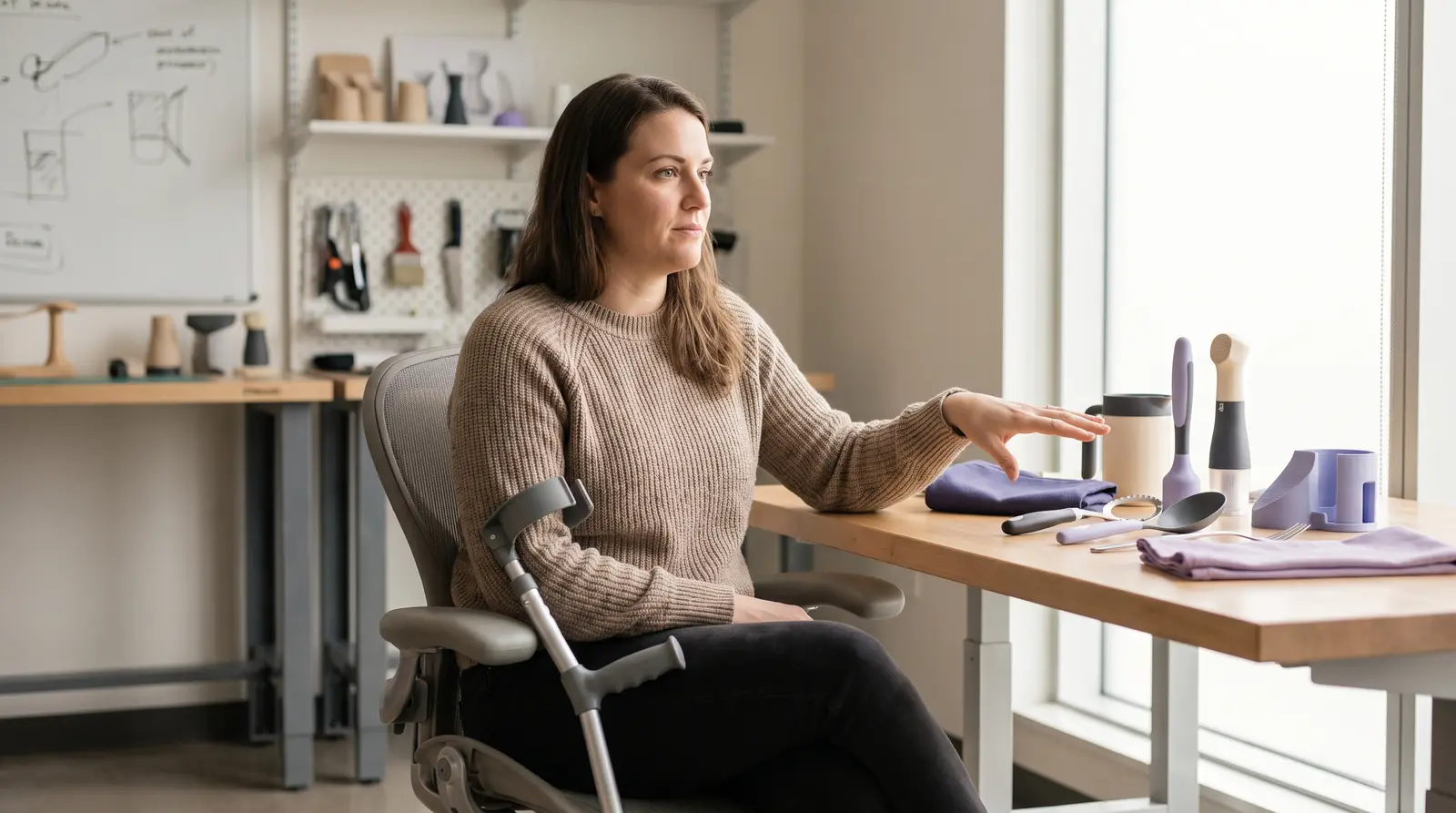
Disability-Owned Businesses
Disability-Owned and Accessibility-Forward Brands to Support in 2026
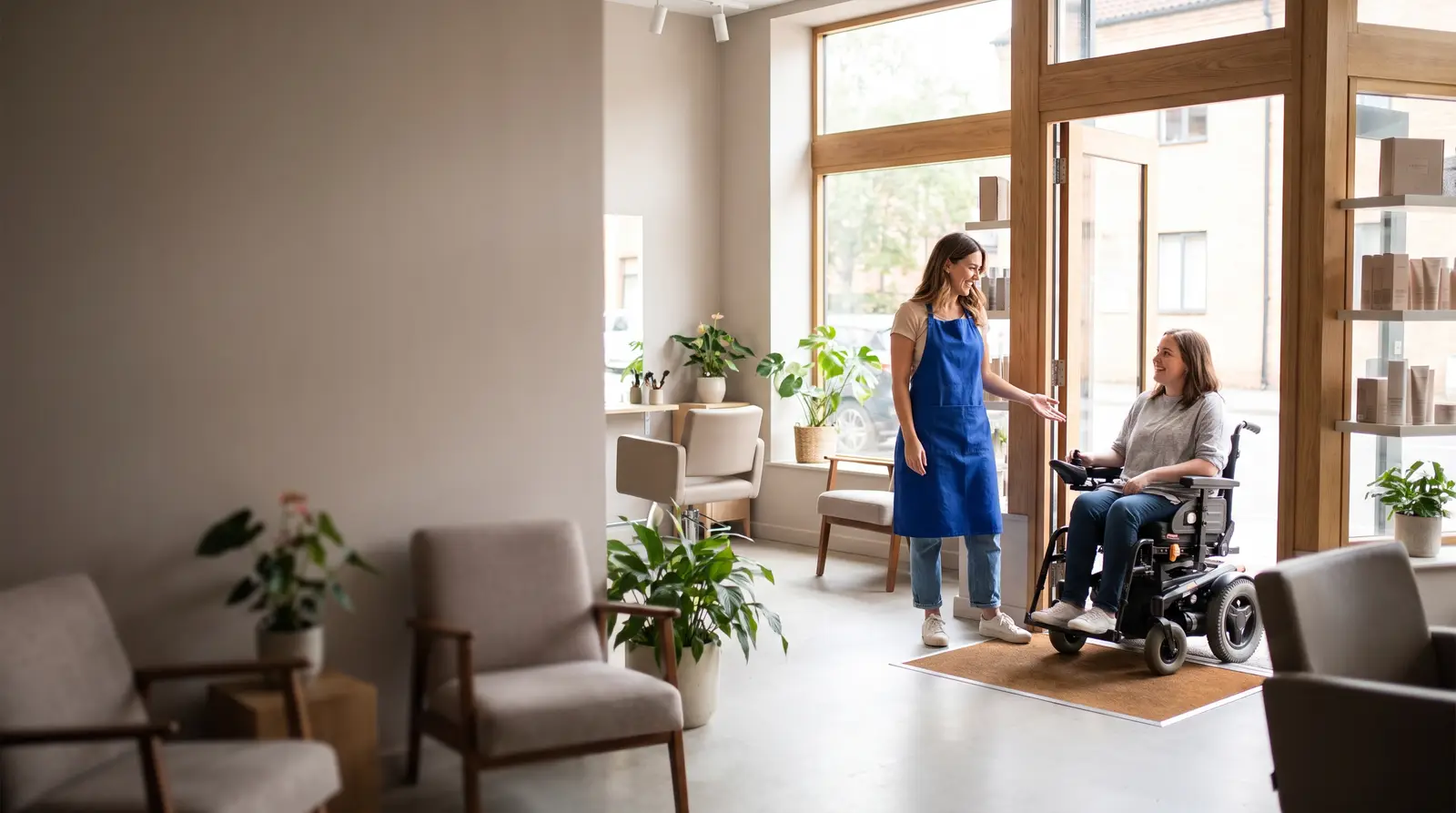
Disability-Owned Businesses
Disability-Owned and Accessible Salons Near Me: How to Find Beauty Businesses That Are Actually Usable in 2026
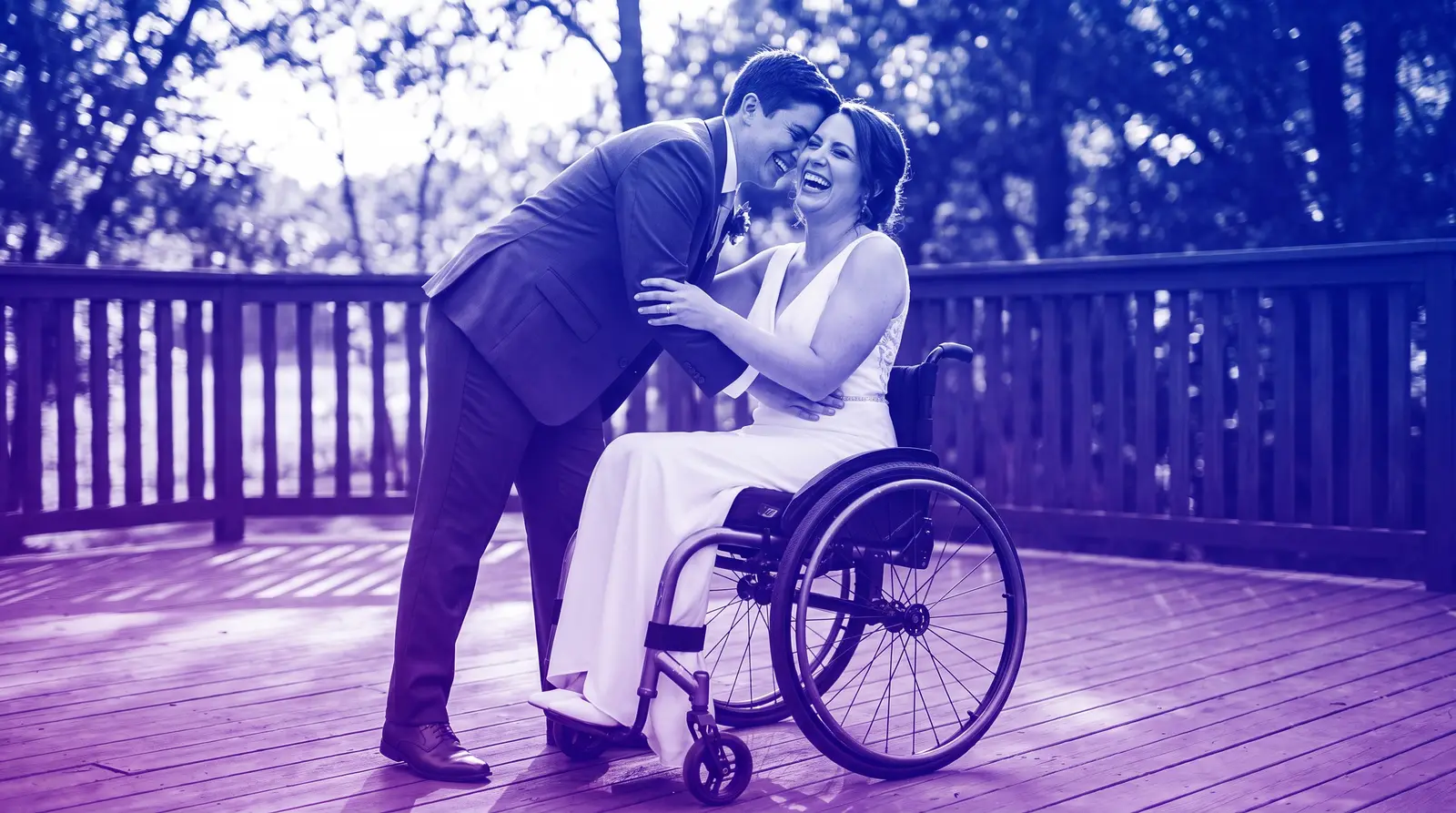
Disability-Owned Businesses
Disability-Owned and Accessible Wedding Vendors Near Me: A 2026 Guide for Inclusive Weddings
Own or know an inclusive business?
List it free so people can discover it year-round — with a source you control.
List your business