Nonprofit · Transgender support · Health & HIV · Grantmaking & scholarships
Trans Lifeline
Community SpotlightSan Francisco, CA · Serving United States and Canada
Trans Lifeline is a national grassroots organization providing peer-led emotional support, crisis counseling, and direct financial aid to transgender, nonbinary, and gender-questioning individuals across North America. Established in 2014, the organization created the first telephone helpline in the country staffed entirely by transgender operators. By connecting callers directly with peers who share their lived experiences and cultural understanding, the service offers an affirming space where individuals can explore identity, navigate personal transitions, and process acute emotional distress without encountering misunderstanding or stigma.
A foundational principle of the organization is its strict commitment to bodily autonomy and informed consent through a policy of no nonconsensual active rescue. Traditional crisis hotlines frequently initiate involuntary interventions by dispatching emergency services or law enforcement when callers express intense suicidal ideation. Trans Lifeline recognizes that police involvement can result in severe trauma, arrest, or physical violence for trans individuals, particularly those who are Black, Indigenous, or people of color. The organization never contacts emergency services or police without a caller's explicit, informed consent, ensuring individuals can seek vital emotional care with complete confidence and confidentiality.
To address systemic economic inequality, the organization administers a nationwide microgrants program that provides direct financial assistance for legal recognition. Holding government identification that accurately reflects a person's chosen name and gender marker is crucial for personal safety, securing housing, gaining employment, and traveling. However, high administrative filing fees, court costs, and publication requirements frequently make legal updates unattainable. The microgrants program issues direct payments covering filing fees, background checks, and document replacement costs for state driver's licenses, birth certificates, and passports. Targeted funding allocations prioritize applicants facing severe housing instability, domestic violence survivors, and individuals navigating immigration processes.
In addition to hotline operations and document assistance, the organization coordinates dedicated support for transgender individuals confined in correctional institutions and immigrant detention centers. The Incarcerated Trans Support program provides regular correspondence, resource materials, and monthly commissary stipends. These financial deposits allow incarcerated trans people to purchase vital hygiene items, necessary clothing, food, and stationery inside correctional facilities where they face heightened isolation and mistreatment.
Operator education forms another cornerstone of the nonprofit's work. Peer operators complete extensive training in trauma-informed care, transformative justice, disability justice, and harm reduction techniques. Bilingual operators provide dedicated telephone support for Spanish-speaking callers, broadening accessibility for diverse communities across the continent.
In addition to direct peer support and material aid, the organization conducts public advocacy to educate the broader crisis intervention field about the harms of involuntary psychiatric holds and nonconsensual emergency dispatch. By sharing research, data, and community experiences, Trans Lifeline champions consent-based care standards across telephone helplines and mental health systems nationwide. The organization also produces educational resource guides and family navigation materials, helping allies, social workers, and healthcare providers better understand and affirm transgender people throughout North America.
Get help
Callers can reach the confidential peer hotline during operating hours without fear of involuntary police intervention, or apply online for identity document microgrants.
Services and resourcesPrograms and services
Peer Support Hotline
Offers peer-led phone support without nonconsensual police or emergency service dispatch.
Spanish Language Hotline
Connects Spanish-speaking callers with bilingual transgender peer operators.
ID Change Microgrants
Disburses financial grants covering filing fees and court costs for legal name and gender marker updates.
Incarcerated Trans Support
Provides commissary funds, written correspondence, and resource packets to trans individuals in correctional facilities.
Community Resource Navigation
Assists community members with identifying trans-affirming medical providers, legal clinics, and mutual aid groups.
Compiled from Trans Lifeline’s own website and public filings. Last checked October 2, 2026. Something out of date? Send a correction.
More nonprofits in California

Community center · Health & HIV
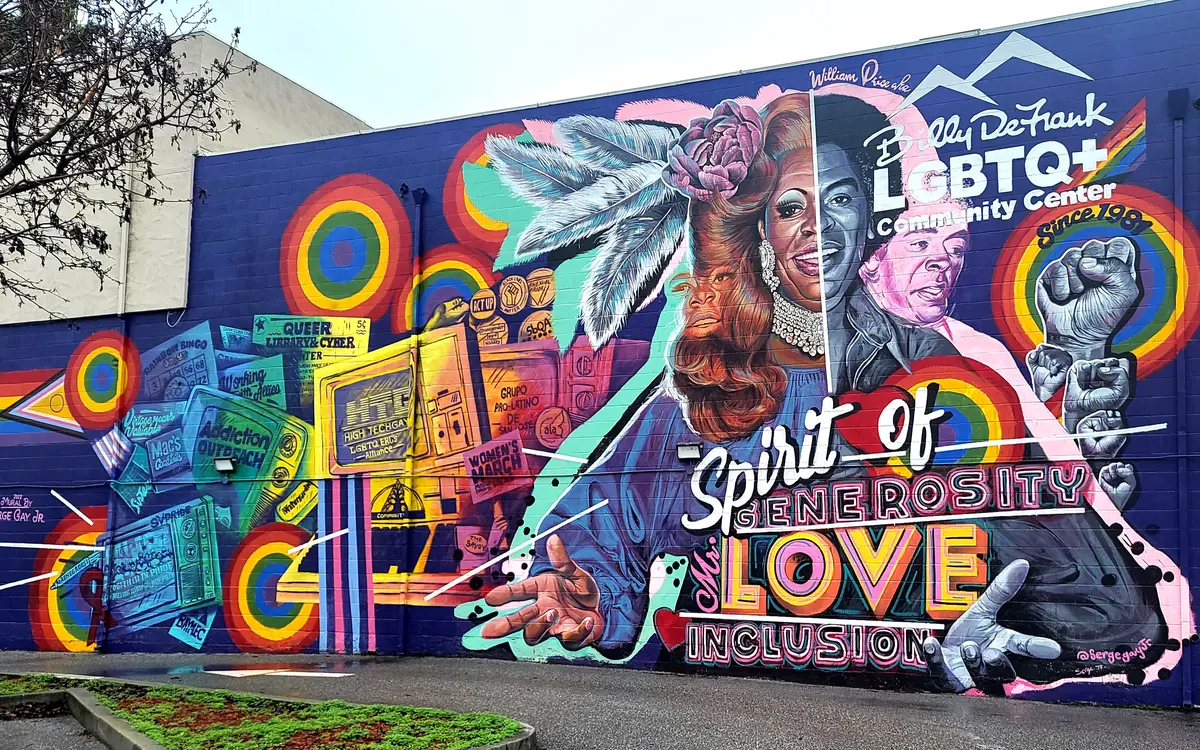
Billy DeFrank LGBTQ+ Community Center
San Jose, CA
Building community and promoting the healing effects of social connection for LGBTQ+ people and allies across Silicon Valley since 1981.
Serves: LGBTQ+ people of all ages and their allies across Silicon Valley, from Foster City to Gilroy
View organization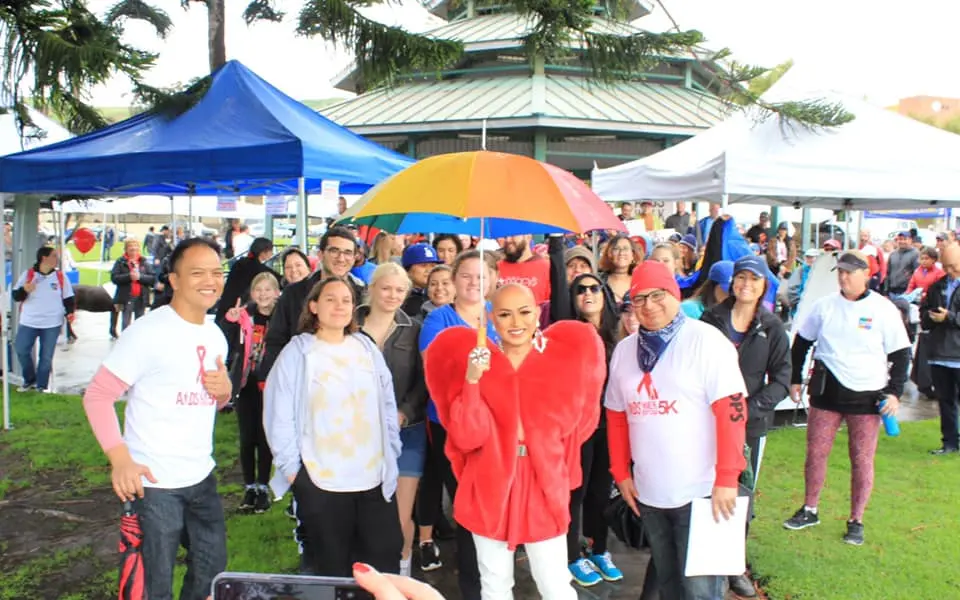

Community center · Health & HIV
Diversity Collective Ventura County
Ventura, CA
Ventura County's LGBTQ+ community center: youth groups, free HIV and STI screening, P.R.I.D.E. training and Ventura County Pride.
Serves: LGBTQ+ people of all ages, their families and allies in Ventura County, California
View organization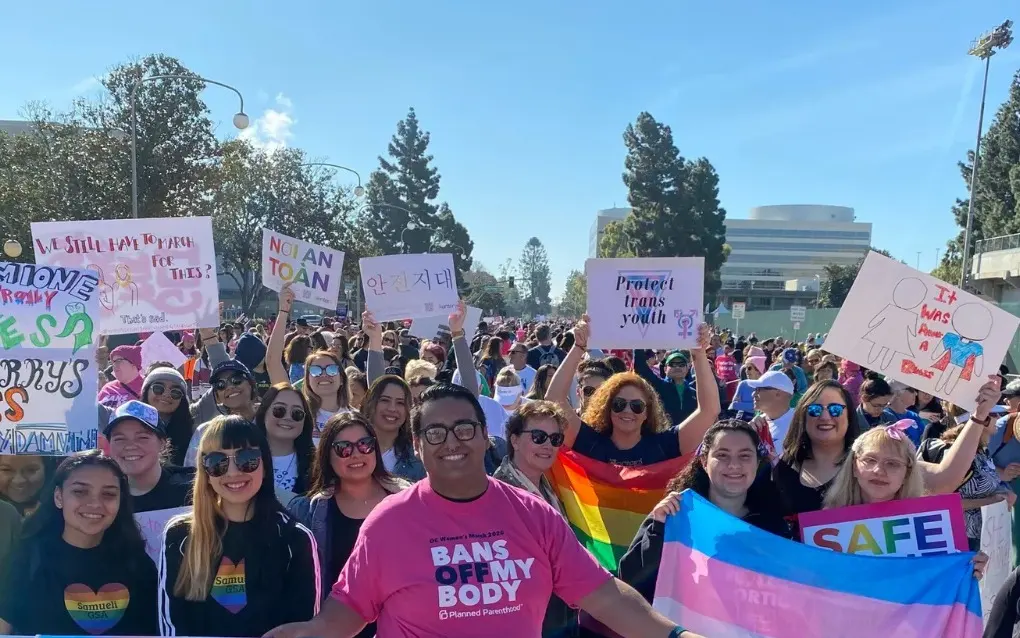
Community center · Health & HIV
LGBTQ Center Orange County
Santa Ana, CA
One of the oldest LGBTQ centers in the US: free HIV and STI testing, therapy, trans services and youth programs for Orange County.
Serves: LGBTQ+ people of all ages across Orange County, including youth, seniors, transgender and Spanish-speaking community members and LGBTQ+ immigrants
View organization