Minority-Owned Businesses
The 2026 Holiday Shopping Guide to Diverse-Owned Businesses
Updated July 26, 2026 12 min readShopping Guide
On this page (11 sections)
- Quick answer
- Why this matters in 2026
- How do I actually find diverse-owned businesses?
- How do I verify a business is really diverse-owned?
- What makes a gift worth buying, not just a gesture?
- Shopping by community without stereotyping
- Price tiers: what to expect at each budget
- Shipping and timing: order early, confirm the year
- Common mistakes to avoid
- FAQ
- Sources
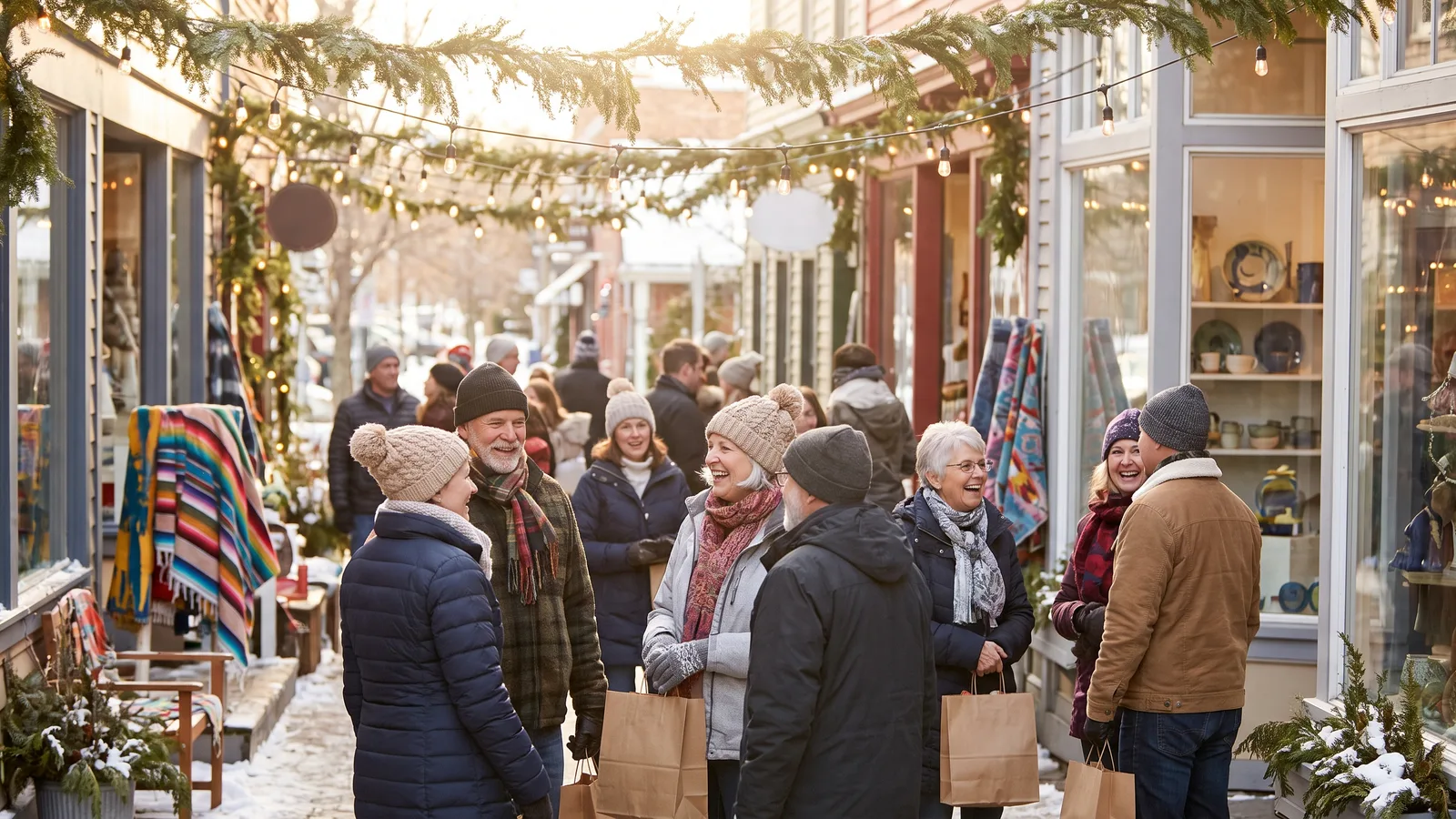
Every holiday season, a large share of your gift budget flows toward a handful of very large retailers. That is convenient, and there is nothing wrong with it. But a growing number of shoppers want at least part of that spending to reach the people behind the products: the Black candlemaker, the Latina ceramicist, the LGBTQ-owned bookshop, the veteran running a coffee roastery out of a converted garage. The good news is that shopping this way no longer means giving up quality, price, or on-time delivery.
This guide is a calm, practical walkthrough for the 2026 season. You will learn how to find diverse-owned businesses, how to verify ownership so your money goes where you think it does, what to expect at each price tier, which gift categories tend to overdeliver, and how to time your orders so nothing arrives late. Just as important, you will learn how to do all of this without tokenizing anyone. The goal is not a one-day gesture. It is building a gift list you would be proud of in any season.
Quick answer
- Decide how much of your gift budget you want to direct to diverse-owned businesses, then treat it like any other shopping list rather than a special project.
- Use certification directories, curated marketplaces, and trust-first directories to find businesses, and cross-check ownership rather than trusting a badge alone.
- Verify ownership through the seller's own About page, third-party certifications (NMSDC, WBENC, NGLCC, NVBDC, and disability-focused bodies), and consistent public signals.
- Shop by recipient and interest first, identity second, so the gift actually fits the person receiving it.
- Expect strong value across every price tier, from stocking stuffers under $25 to heirloom pieces over $150.
- Order early. Small makers often hand-fulfill, so their real cutoff is usually a few days before the big carriers' deadlines.
- Confirm current-year carrier shipping deadlines before you check out, since they shift slightly each December.
- Buy things people will genuinely use and keep. A great gift that happens to be diverse-owned beats a mediocre gift bought only to check a box.
- Leave reviews and reorder from makers you loved. Repeat business in January and February matters more than a single December splurge.
- If you own a diverse business yourself, get listed so shoppers can find you.
Why this matters in 2026
The scale is larger than most people assume. According to the U.S. Census Bureau's most recent Annual Business Survey, there were roughly 1.2 million minority-owned employer businesses in the United States, about 21 percent of all employer firms, and that figure does not even count the millions of nonemployer businesses run by a single owner. LGBTQ business owners add another large tier: the NGLCC's America's LGBT Economy research estimates about 1.4 million LGBTQ business owners contributing more than $1.7 trillion to the economy each year. These are not niche curiosities. They are a meaningful slice of Main Street.
The season is large too. The National Retail Federation reported that U.S. holiday spending surpassed $1 trillion for the first time during the 2025 season, with per-person spending on gifts, food, and decorations approaching $900. Even a small redirection of that money has real weight. If a modest fraction of holiday budgets reached diverse-owned businesses, it would represent billions of dollars flowing to owners who have historically had less access to capital and shelf space.
The practical takeaway is simple. You do not need to overhaul your habits. You need a repeatable method for finding good businesses, confirming they are what they claim, and buying gifts that hold up. The rest of this guide gives you that method.

How do I actually find diverse-owned businesses?
Start with three types of sources and treat them as complementary rather than competing.
Certification directories are the most rigorous. Organizations that formally certify ownership publish searchable member lists. The National Minority Supplier Development Council (NMSDC) certifies minority-owned firms, the Women's Business Enterprise National Council (WBENC) certifies women-owned firms, the NGLCC certifies LGBT Business Enterprises, and the National Veteran Business Development Council (NVBDC) certifies veteran-owned firms. These lean toward business-to-business suppliers, so you will not find every gift shop there, but a listing is a strong ownership signal.
Curated marketplaces and trust-first directories are where most consumer shopping happens. These platforms vet sellers, group them by category and location, and let you browse the way you would any online store. Quality varies, so favor directories that explain how they verify listings.
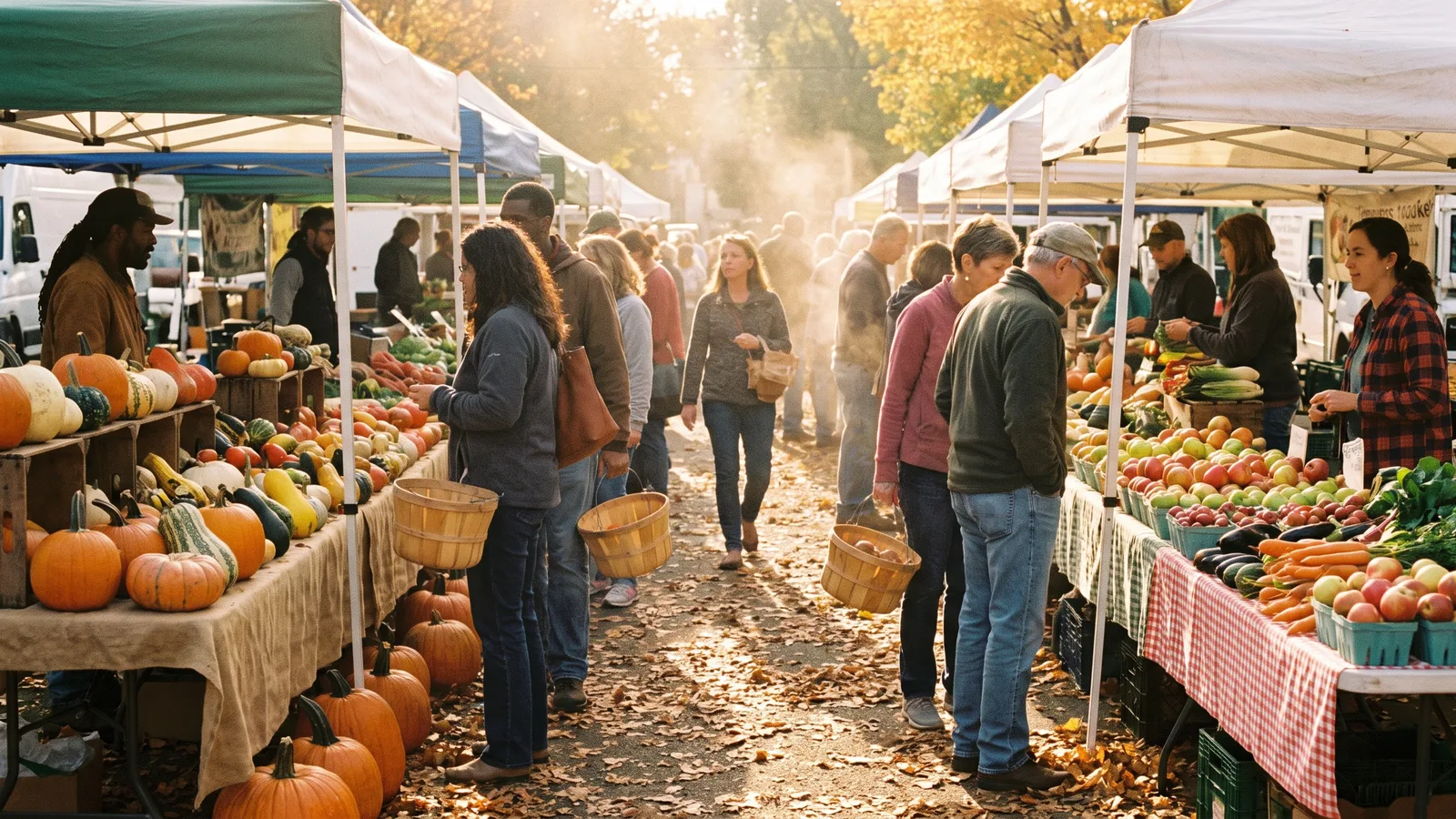
Local discovery still matters. Holiday markets, maker fairs, neighborhood business associations, and city-run small-business guides surface makers who never show up in national databases. A Saturday at a local market can fill half your list.
| Where to look | Best for | What to check |
|---|---|---|
| Certification directories (NMSDC, WBENC, NGLCC, NVBDC) | Verified ownership, larger suppliers | Active certification status |
| Trust-first online directories | Everyday gift shopping by category | Stated verification method |
| Curated gift marketplaces | Handmade and small-batch goods | Seller reviews and shop age |
| Local markets and maker fairs | Unique, local, no-shipping gifts | Talk to the maker directly |
| Community and press roundups | Discovering new names | Cross-check the business itself |
How do I verify a business is really diverse-owned?
This is where careful shoppers separate themselves from the crowd. A rainbow logo or a "minority-owned" tag in a busy holiday season is easy to slap on and hard to trust on its own. Use a layered check instead of relying on any single signal.
First, read the business's own words. A genuine owner usually tells their story somewhere: an About page, a founder's letter, an interview. Vagueness is not proof of anything dishonest, but specificity is reassuring.
Second, look for third-party certification. If a business claims veteran ownership and carries an NVBDC certification, or claims LGBTQ ownership and appears in the NGLCC network, that is independent confirmation. Certification is not required to be legitimate, since many tiny shops never pursue it, but when it exists it settles the question.
Third, weigh consistency. Does the ownership claim show up across the website, press coverage, and social profiles over time, or did it appear this November? Long, consistent public history is a good sign.
| Verification signal | Strength | Notes |
|---|---|---|
| Formal third-party certification | Strongest | Independent and audited |
| Owner-told story with specifics | Strong | Names, dates, photos, history |
| Consistent multi-year public record | Strong | Not a seasonal rebrand |
| Local chamber or association membership | Moderate | Some vetting involved |
| A single on-site badge only | Weak | Verify before relying on it |
| Marketing that centers a flag but not an owner | Weak | Possible identity-washing |
What makes a gift worth buying, not just a gesture?
The best diverse-owned gift is one the recipient would love even if they never knew who made it. Lead with the person and their interests. A coffee lover wants excellent beans; the fact that the roastery is Black-owned or veteran-owned is a bonus, not the point. When you shop this way, you avoid the trap of tokenizing, and you end up giving better gifts.
Below is a starting map from recipient to categories that consistently deliver from small and diverse-owned makers.
| Recipient | Reliable categories | Typical price range |
|---|---|---|
| Home and hosting lovers | Candles, ceramics, table linens, hot sauce | $20 to $80 |
| Readers | Books from independent and identity-focused presses | $15 to $40 |
| Skincare and grooming fans | Small-batch soaps, oils, beard care | $12 to $50 |
| Foodies | Spice blends, coffee, tea, chocolate, condiments | $15 to $60 |
| Style-minded friends | Jewelry, scarves, small leather goods | $25 to $150 |
| Kids and parents | Diverse children's books, toys, art kits | $15 to $45 |
| The person who has everything | Art prints, experiences, subscriptions | $30 to $200 |
Shopping by community without stereotyping
You can direct spending toward specific communities without turning identity into a theme. Think of these as directories of talented makers, not costume categories.
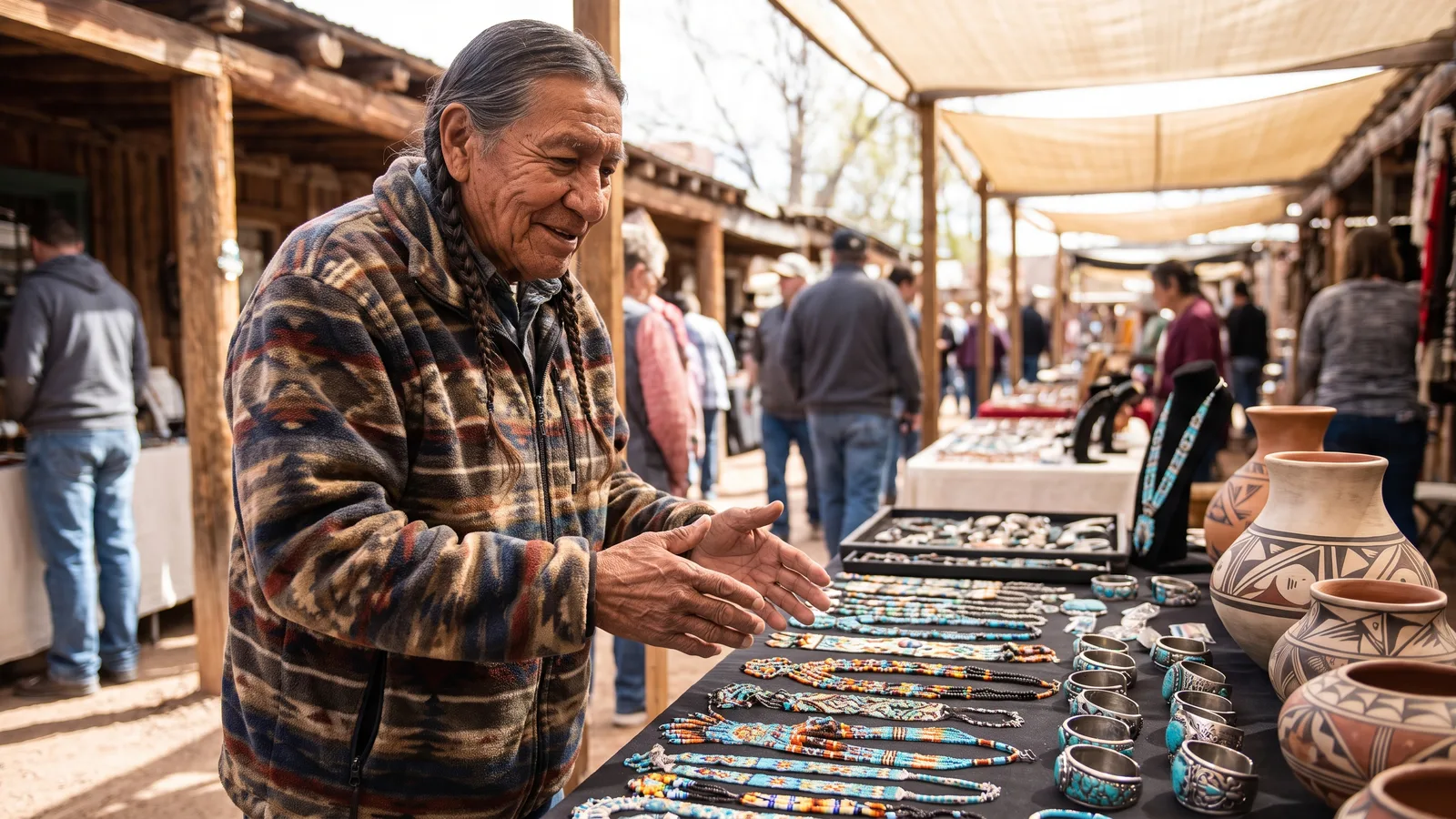
Black-owned businesses span every category, with especially deep benches in beauty, hair care, candles, apparel, and food. Latino- and Hispanic-owned makers bring standout work in ceramics, coffee, hot sauce, textiles, and jewelry. AAPI-owned businesses are strong across skincare, tea, stationery, home goods, and food. LGBTQ-owned brands show up everywhere from bookstores to apparel to home fragrance. Women-owned businesses cut across all of the above. Disability-owned businesses and makers who employ disabled artisans produce excellent art, accessories, and adaptive-friendly goods. Veteran-owned companies are well represented in coffee, gear, apparel, and craft goods.
The point is to shop the maker, not the label. Pick the person whose craft fits your recipient, and let the ownership be the reason you found them rather than the reason you settled for less.
Price tiers: what to expect at each budget
Diverse-owned does not mean expensive. Small makers compete across every tier, and many of the best values are handmade goods priced well below mass-market equivalents of similar quality.
| Tier | Budget | What you can get |
|---|---|---|
| Stocking stuffers | Under $25 | Soaps, small candles, spice blends, prints, single books |
| Everyday gifts | $25 to $60 | Candles, ceramics, coffee bundles, jewelry, gift sets |
| Standout gifts | $60 to $150 | Apparel, larger art, curated boxes, fine jewelry |
| Heirloom and splurge | Over $150 | Original art, handmade furniture, custom pieces |
A practical tip: bundle small items into a themed gift set yourself. Three items from one maker (a candle, a soap, and a small print) can feel more generous than a single mid-priced item, and it puts more into that one business.
Shipping and timing: order early, confirm the year
Small businesses are the reason to shop this way, and they are also the reason to shop early. Many diverse-owned makers hand-fulfill orders, batch their candle pours, or roast to order. Their practical cutoff is often several days earlier than the carrier deadline, because the item has to be made before it can ship. When a shop lists a "made to order" or "ships within 5 to 7 days" note, add that lead time on top of the carrier deadline.
The deadlines below reflect the typical pattern for recent seasons. Carriers publish exact dates each fall, and they shift by a day or two year to year, so confirm the current 2026 dates on each carrier's site before you check out.
| Service (typical) | Approximate last ship date for Dec. 25 | Best for |
|---|---|---|
| Standard ground / economy | Around Dec. 17 to 19 | Non-urgent, lowest cost |
| USPS Priority Mail | Around Dec. 18 to 20 | Mid-priced, reliable |
| 2-day air (UPS/FedEx) | Around Dec. 22 | Cutting it close |
| Overnight / next-day air | Around Dec. 23 | Last-minute rescue |
| Local pickup or in-person markets | Up to Dec. 24 | No shipping risk at all |
If you are worried about timing, two options remove the risk entirely: buy from local makers you can pick up from, or give a gift card or digital product from the business so nothing has to travel.
Common mistakes to avoid
| Mistake | Why it backfires | Do this instead |
|---|---|---|
| Waiting until mid-December | Handmade lead times push past cutoffs | Order by early December |
| Trusting a badge with no other proof | Identity-washing exists | Layer your verification |
| Buying a gift only to make a point | It shows, and underwhelms | Match the gift to the person |
| Treating it as a one-day event | Businesses need year-round demand | Reorder and review |
| Ignoring made-to-order lead times | Item ships later than you think | Add stated processing time |
| Skipping reviews after purchase | Small shops live on social proof | Leave an honest review |
FAQ
Is shopping diverse-owned businesses more expensive?
Not inherently. You will find excellent gifts at every price point, and many handmade goods are priced below comparable mass-market items. The trick is to shop by budget tier, just as you would anywhere else, and to bundle small items when you want a fuller-feeling gift.
How do I know a business is genuinely diverse-owned and not just marketing?
Layer your signals. Look for a specific owner story, third-party certification where it exists (NMSDC, WBENC, NGLCC, NVBDC, or disability-focused bodies), and a consistent public record over time. Be cautious when marketing centers a flag or a label but never actually names or shows an owner.
When should I place orders to arrive by December 25?
Earlier than you think. Because many small makers produce to order, aim to order by the first week of December for standard shipping. Always confirm the current-year carrier deadlines, and add any stated processing time on top.
Does shopping small actually make a difference?
Yes, in aggregate. Diverse-owned businesses number in the millions and historically have had less access to capital and shelf space, so redirected consumer demand is meaningful. Repeat purchases and reviews help even more than a single seasonal order.
How do I shop for specific communities without stereotyping anyone?
Lead with the recipient's interests and let ownership be how you discovered the maker rather than the theme of the gift. A great candle, book, or coffee stands on its own. The best compliment to a maker is buying their work because it is genuinely good.
What if I cannot verify ownership at all?
If a business makes an ownership claim you cannot confirm through any independent signal, you can still buy the product on its merits, but do not amplify the ownership claim as fact. When in doubt, favor businesses that make verification easy.
What is the best way to support these businesses beyond the holidays?
Reorder in the slow months, leave honest reviews, refer friends, and follow the businesses you love. January and February demand keeps small makers stable far more than a December rush does.
Sources
- U.S. Census Bureau, Annual Business Survey (minority- and women-owned employer business counts): https://www.census.gov/programs-surveys/abs.html
- U.S. Census Bureau small-business data resources: https://www.census.gov/library/stories/2026/05/small-business-week.html
- National Retail Federation, 2025 holiday sales surpass $1 trillion: https://nrf.com/media-center/press-releases/nrf-expects-holiday-sales-to-surpass-1-trillion-for-the-first-time-in-2025
- NGLCC, America's LGBT Economy and about page (1.4M owners, $1.7T figures): https://nglcc.org/about-us/
- NMSDC (minority business certification): https://nmsdc.org/
- WBENC (women's business certification): https://www.wbenc.org/
- NVBDC (veteran business certification): https://nvbdc.org/
- Carrier holiday shipping deadlines, confirm current year: https://www.usps.com/holiday/holiday-shipping-dates.htm and https://www.fedex.com/en-us/shipping/holiday-shipping.html and https://www.ups.com/us/en/support/shipping-support/shipping-holidays.page
Keep reading
Own or know an inclusive business?
List it free so people can discover it year-round — with a source you control.
List your business