Local City Guides
LGBTQ+ Neighborhoods in Chicago: A 2026 Guide for Buyers and Renters
By Luke Updated October 5, 2026Local Guide
On this page (12 sections)
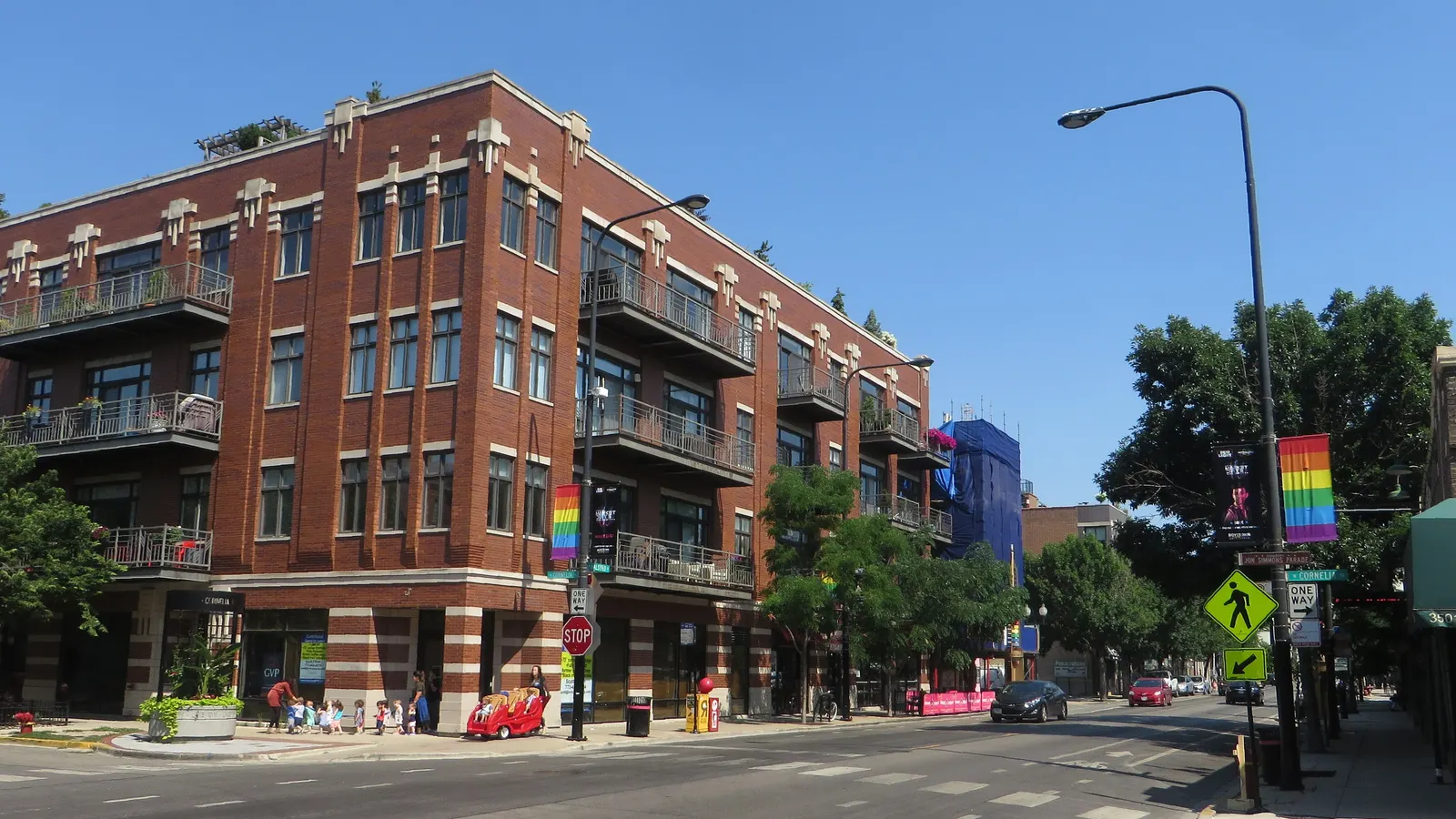
Chicago's LGBTQ+ life is concentrated on the North Side, in a string of neighborhoods running up the lakefront from Lakeview toward Evanston. The city itself put the community into the streetscape, with 20 rainbow pylons along Halsted Street.
This guide covers what each neighborhood costs and suits, where to go in your first week, the housing you will see, and the protections Illinois law gives buyers and renters.
Quick answer
- Northalsted, in Lakeview, is Chicago's best-known LGBTQ+ neighborhood, home to the rainbow pylons, the Legacy Walk and Center on Halsted.
- Andersonville, in Edgewater, pairs Swedish immigrant history with a visible LGBTQ+ community and a quieter, residential feel.
- Uptown, between the two, offers a wider range of housing.
- Prices are moderate by big-city standards. In August 2026, Zillow's typical home value ran from about $269,000 in Rogers Park to about $626,000 in Andersonville.
- Ask about assessments and building rules before you buy a condo in a vintage building.
- The Illinois Human Rights Act covers sexual orientation, and its definition includes gender-related identity.
- Visit in January as well as June.
- Interview two or three agents and ask which neighborhoods they would show you and why.
Why the North Side
Chicago's LGBTQ+ community was historically spread across the city, but the Halsted Street area in Lakeview became its center, and the country's first LGBTQ commercial, entertainment and cultural district to be officially recognized by a city government. Andersonville, a few miles north, grew into a second center from the 1980s on. The Red Line and the lakefront tie them together, so you can live in one and spend your social life in another.
About the prices. Each section gives the Zillow Home Value Index (ZHVI), Zillow's typical home value across single-family homes and condos, for August 2026, the latest month published when we checked on October 5, 2026. Prices change every month and vary block to block; ask your agent for current sales.
Northalsted (Lakeview)
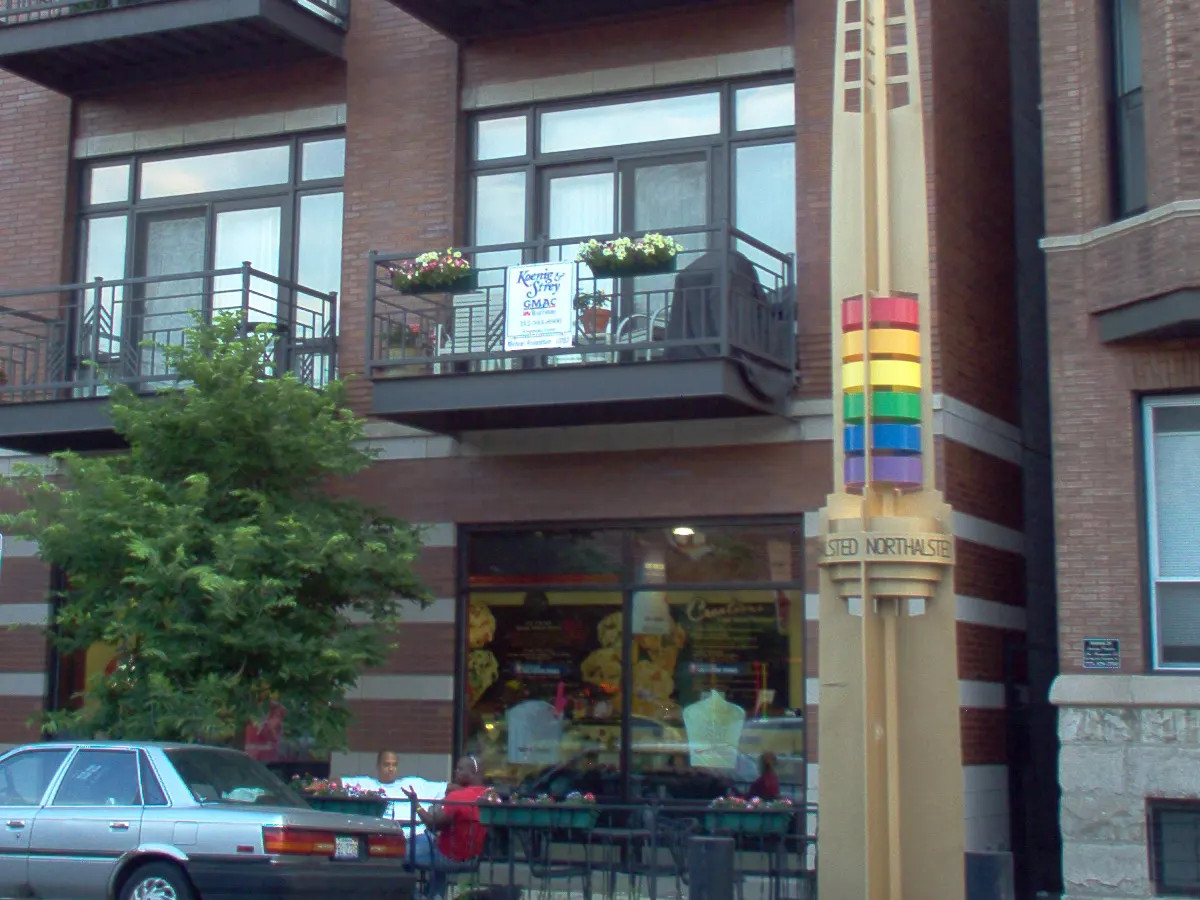
Since 1997 the city has marked Northalsted with 20 rainbow pylons along Halsted between Melrose Street and Bradley Place. In 2012 the pylons became home to the Legacy Walk, an outdoor museum of bronze plaques honoring LGBTQ+ people from history, first dedicated on National Coming Out Day, October 11, 2012. In 2019 the City Council approved the pylons and the Legacy Walk as a Chicago Landmark district. In 2020 the local business alliance dropped the old "Boystown" nickname from its marketing. The Belmont station, on the Red, Brown and Purple lines, puts downtown within easy reach.
What living here is like. Busy and walkable, with residential side streets off Halsted. Housing is mostly condos and rentals in vintage walkups and courtyard buildings, plus newer mid-rises. The strip gets loud on weekend nights and during Pride, so for quiet, look a few blocks toward the lake. Zillow's typical home value in Lake View, the community area that includes Northalsted, was about $466,000 in August 2026.
Andersonville (Edgewater)
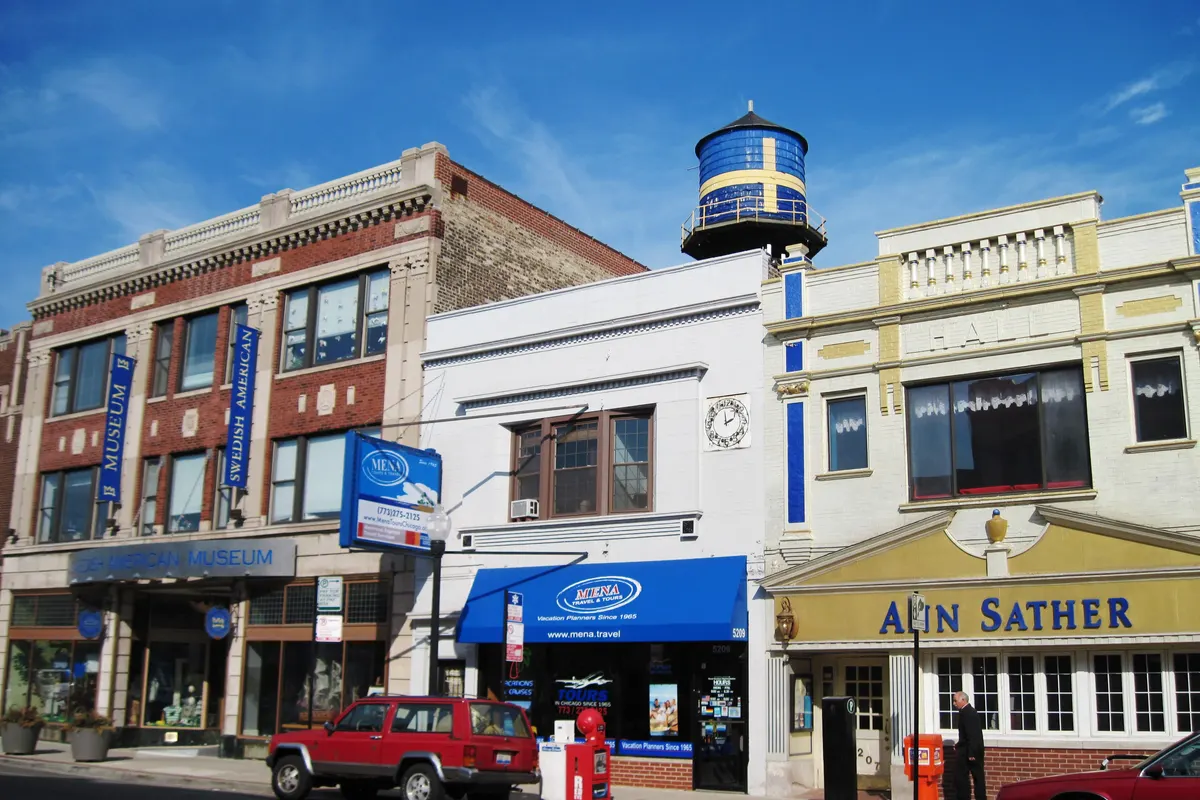
Andersonville became a Swedish immigrant enclave after the Great Chicago Fire of 1871, when Swedes who could not afford to rebuild in brick or stone moved north to what was then an inexpensive edge of the city. That heritage is still visible along Clark Street, most of all at the Swedish American Museum. By the 1980s many members of the LGBTQ+ community had settled here.
What living here is like. Quieter than Northalsted, built around a Clark Street strip of independent shops and restaurants, with vintage condos, two-flats and single-family homes on tree-lined side streets. The Berwyn Red Line stop is closest. Zillow's typical home value was about $626,000 in Andersonville and about $282,000 across the wider Edgewater neighborhood, where condos dominate, in August 2026.
Uptown
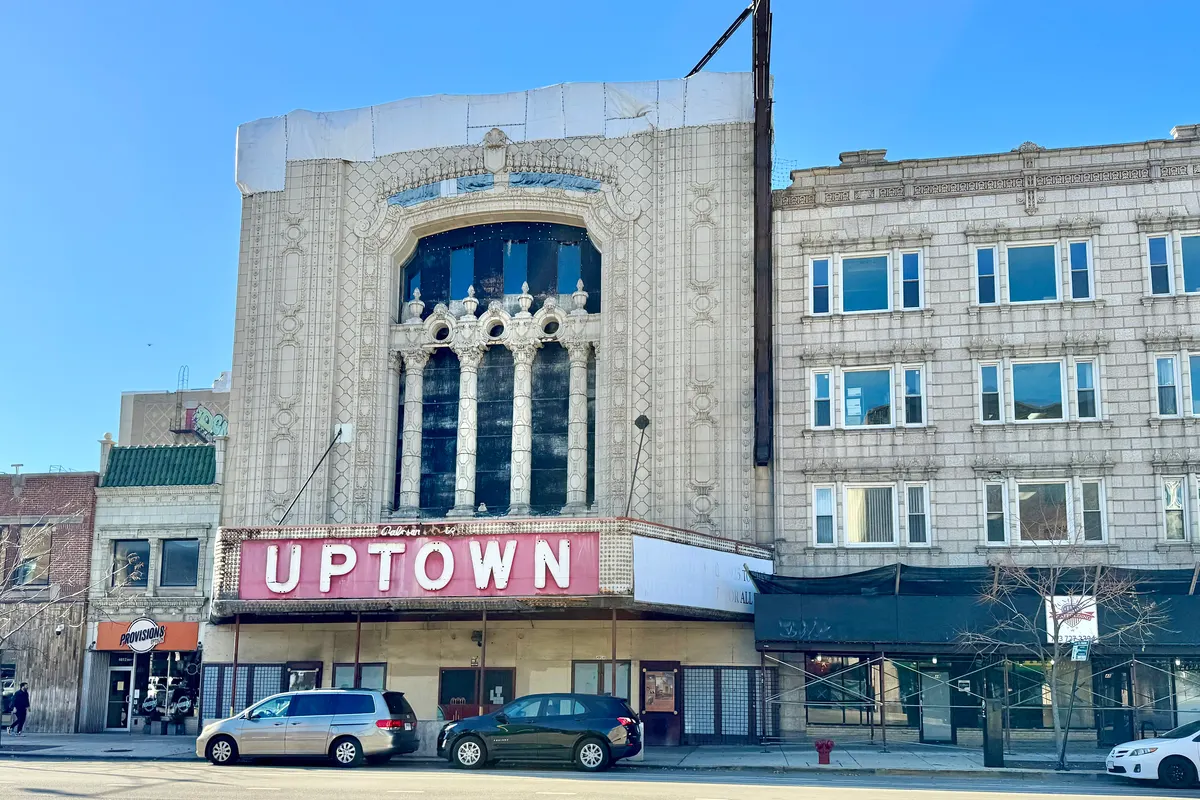
Uptown sits between Lakeview and Edgewater along the Red Line. When Windy City Times mapped LGBTQ+ Chicago decade by decade from 1965, its maps showed the community moving steadily north from Northalsted, with Andersonville emerging in Edgewater and Uptown by the mid-1990s.
Housing ranges from large vintage apartment buildings to newer condos, near several Red Line stops and the lakefront parks. Zillow's typical home value was about $342,000 in August 2026.
Rogers Park and the lakefront
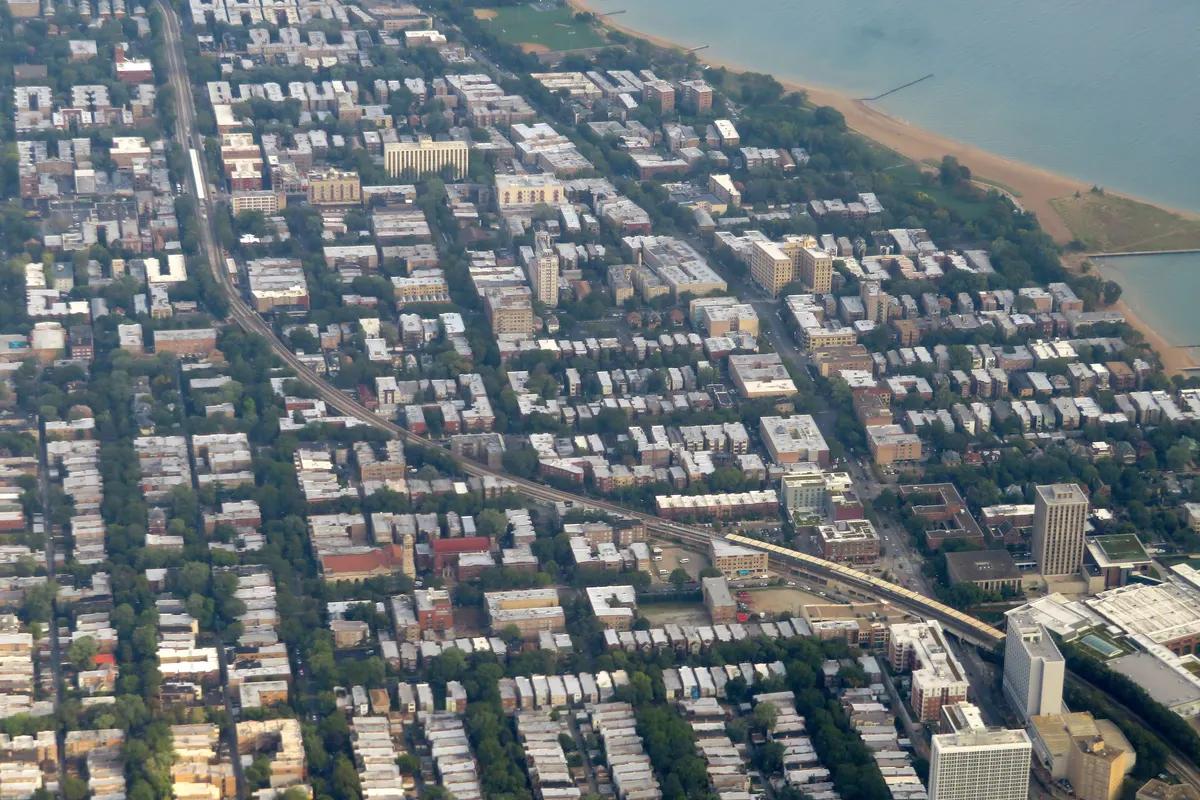
Many LGBTQ+ Chicagoans live outside the best-known neighborhoods. Rogers Park and the rest of Edgewater share the same transit and lakefront and offer more space for less: Zillow's typical home value in Rogers Park was about $269,000 in August 2026. Rogers Park is also home to Gerber/Hart Library and Archives, which shares a building with Howard Brown Health Clark on North Clark Street. Inner suburbs such as Evanston (about $493,000) and Oak Park (about $487,000) are worth a look for buyers who want a house or a particular school district.
Chicago housing: what to expect
Vintage condos. Much of the North Side is older brick apartment buildings converted to condos. Ask for the association's budget, reserves, special assessments, and rules on rentals, pets and renovations.
Two-flats and three-flats. Living in one unit and renting the other helps with costs but makes you a landlord.
Winter. Ask about heating costs and how a building handles snow and parking.
Your rights as a buyer or renter in Illinois
The Illinois Human Rights Act prohibits discrimination in real estate transactions based on sexual orientation, and defines sexual orientation to include actual or perceived "gender-related identity," whether or not it matches the sex assigned at birth. So it covers both when you rent or buy. The Illinois Department of Human Rights takes complaints.
How to choose between neighborhoods
| If you want | Look at | Keep in mind |
|---|---|---|
| The center of LGBTQ+ life, nightlife nearby | Northalsted | Busy and loud on weekends and during big events |
| A quieter, residential community feel | Andersonville, Edgewater | Shopping and dining centered on Clark Street |
| More housing variety | Uptown | Varies a lot block to block |
| Space, lakefront and lower prices | Rogers Park, the rest of Edgewater | Longer ride downtown |
| Larger homes and specific school districts | Evanston, Oak Park | Suburban taxes and commutes |
Finding an agent in the Chicago area
A good Chicago agent knows which condo associations are well run and which buildings face big repairs. Interview at least two or three, and ask:
- Which neighborhoods would you show us, and why? How well do you know Uptown, Edgewater and Rogers Park, not only Lakeview?
- How do you review a condo association's finances and rules before we make an offer?
- If we are looking at a two-flat, how would you help us think through being a landlord?
- How would you handle a seller, landlord or association that treats us unfairly?
The section below lists real estate agents in our directory who work in the Chicago area. For a fuller checklist, read our guide to finding an inclusive real estate agent, and for the national picture, our guide to LGBTQ+ neighborhoods across the US. You can also browse everything local on the Chicago hub, including our guide to LGBTQ-owned businesses in Chicago.
FAQ
What is the LGBTQ+ neighborhood in Chicago?
Northalsted, the stretch of Halsted Street in Lakeview marked by rainbow pylons, is the best known. Andersonville and Uptown also have visible LGBTQ+ communities.
Is Boystown the same as Northalsted?
Yes. Boystown was the neighborhood's longtime nickname. In 2020 the local business alliance stopped using it in its marketing, and the area is now promoted as Northalsted.
What is the Legacy Walk?
An outdoor museum of bronze plaques honoring LGBTQ+ people from history, mounted on the rainbow pylons along Halsted Street. It was first dedicated on October 11, 2012, and the pylons and Legacy Walk became a Chicago Landmark district in 2019.
Does Illinois law protect transgender renters and buyers?
Yes. The Illinois Human Rights Act prohibits housing discrimination based on sexual orientation, and it defines sexual orientation to include gender-related identity. Complaints go to the Illinois Department of Human Rights.
Is Andersonville quieter than Northalsted?
Generally, yes. Andersonville is more residential, while Northalsted has more nightlife and hosts large events.
Sources
- City of Chicago, Rainbow Pylons and the Legacy Walk landmark designation report: https://www.chicago.gov/content/dam/city/depts/zlup/Historic_Preservation/Publications/Rainbow_Pylons_and_Legacy_Walk.pdf
- City of Chicago, landmark district designation approved for the Legacy Walk (2019): https://www.chicago.gov/city/en/depts/dcd/provdrs/hist/news/2019/july/landmark-district-designation-approved-for-boystown-s-legacy-wal.html
- Block Club Chicago, Northalsted Business Alliance drops "Boystown" from its marketing (2020): https://blockclubchicago.org/2020/09/23/boystown-chicagos-famed-lgbtq-neighborhood-now-will-be-known-as-northalsted/
- WTTW, Andersonville neighborhood history: https://www.wttw.com/chicago-by-l/neighborhoods/andersonville
- Windy City Times, how Chicago's gayborhoods have shifted since 1965 (2021): https://windycitytimes.com/2021/06/10/on-the-move-how-chicagos-gayborhoods-have-shifted-since-1965/
- Chicago Transit Authority, Belmont station: https://www.transitchicago.com/station/belm/
- Center on Halsted: https://www.centeronhalsted.org/
- Howard Brown Health, locations: https://howardbrown.org/locations/
- Women & Children First: https://womenandchildrenfirst.com/
- Swedish American Museum: https://www.swedishamericanmuseum.org/
- Gerber/Hart Library and Archives: https://www.gerberhart.org/
- Illinois Human Rights Act, definitions (775 ILCS 5/1-103): https://www.ilga.gov/legislation/ilcs/fulltext.asp?DocName=077500050K1-103
- Illinois Department of Human Rights, Illinois Human Rights Act: https://dhr.illinois.gov/about-us/illinois-human-rights-act.html
- Zillow Research, Zillow Home Value Index (ZHVI) data, neighborhood and city series, August 2026 (checked October 5, 2026): https://www.zillow.com/research/data/
Find an agent
LGBTQ+ and ally real estate agents in the Chicago area
Each is a published listing with a source on the record. Open a profile to see why it is listed, then interview them like you would anyone else.





Keep reading

.jpg)


.jpg)

Own or know an inclusive business?
List it free so people can discover it year-round — with a source you control.
List your business