Local City Guides
LGBTQ+ Neighborhoods in the US: A 2026 Guide for Homebuyers and Renters
By Luke Updated October 5, 2026Consumer Guide
On this page (9 sections)
Most big American cities have a neighborhood everyone points to when LGBTQ+ life comes up. For a homebuyer, those places carry real weight: a visible community, institutions that have lasted decades, and the relief of not being the only one on the block. They are also often the most expensive parts of their cities, and plenty of queer families live a few train stops away by choice.
This guide covers the best-known neighborhoods in 13 metros, with typical home values, who each suits and where to go in your first week, then gets practical about choosing a place and an agent.
Quick answer
- The best-known include New York's West Village and Hell's Kitchen, Chicago's Northalsted, Seattle's Capitol Hill, Philadelphia's Gayborhood, Boston's South End, Houston's Montrose, Dallas's Oak Lawn, Wilton Manors, Palm Springs, the Castro, West Hollywood, Dupont Circle and Atlanta's Midtown.
- Prices vary enormously. In August 2026, Zillow's typical home value ran from about $351,000 in Midtown Atlanta to about $1.88 million in the West Village.
- A famous neighborhood is a starting point, not a requirement. The community usually extends well past the blocks with the flags.
- Weigh cost, commute, schools and housing type as hard as you weigh visibility.
- Check local protections yourself. City and state law can add housing protections beyond federal law.
- Visit at different times: a weekday morning, a weekend night, and in the off-season.
- Interview more than one agent, and ask how they would compare two or three neighborhoods for you.
- Our directory lists real estate agents by city, each with a source on record. A sample appears at the end of this guide.
Why neighborhoods still matter
A neighborhood with a long LGBTQ+ history tends to have the infrastructure that makes ordinary life easier: clinics used to treating queer and trans patients, a staffed community center, groups that meet every week, and businesses that are visibly welcoming. Holding hands on the way to the grocery store should not be a calculation.
The classic "gayborhood" has also changed. Several have become more nightlife destination than residential center, and rising prices have pushed many residents to nearby areas. Treat them as one option among several.
About the prices. Each metro gives the Zillow Home Value Index (ZHVI), Zillow's typical home value across single-family homes and condos, for August 2026, the latest month published when we checked on October 5, 2026. Where Zillow tracks the small city rather than a neighborhood, we say so. Prices change every month; ask a local agent for current sales.
The best-known LGBTQ+ neighborhoods by metro
This is not a ranking. Each section links to our local hub for that metro.
New York City: West Village, Chelsea, Hell's Kitchen and Jackson Heights
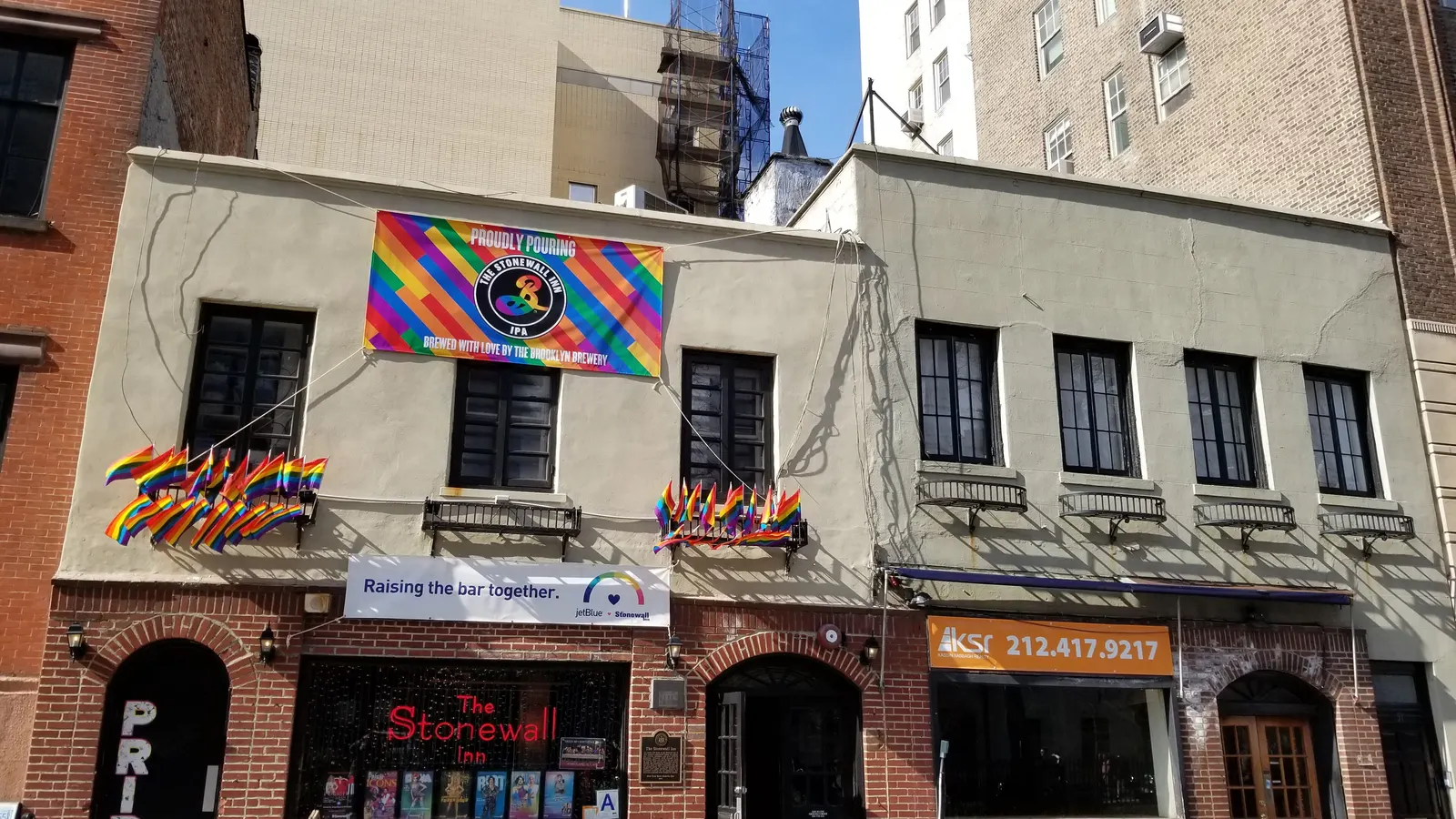
The Stonewall uprising began on June 28, 1969, after a police raid on the Stonewall Inn on Christopher Street, and in 2016 the inn and the surrounding blocks became Stonewall National Monument. Much of the community's nightlife has since moved north to Hell's Kitchen, and Jackson Heights in Queens has hosted Queens Pride since 1993. Zillow's typical home value was about $1,878,000 in the West Village and about $465,000 in Jackson Heights. Our New York City guide goes neighborhood by neighborhood.
New York City hub · Real estate agents in New York City
Chicago: Northalsted and Andersonville
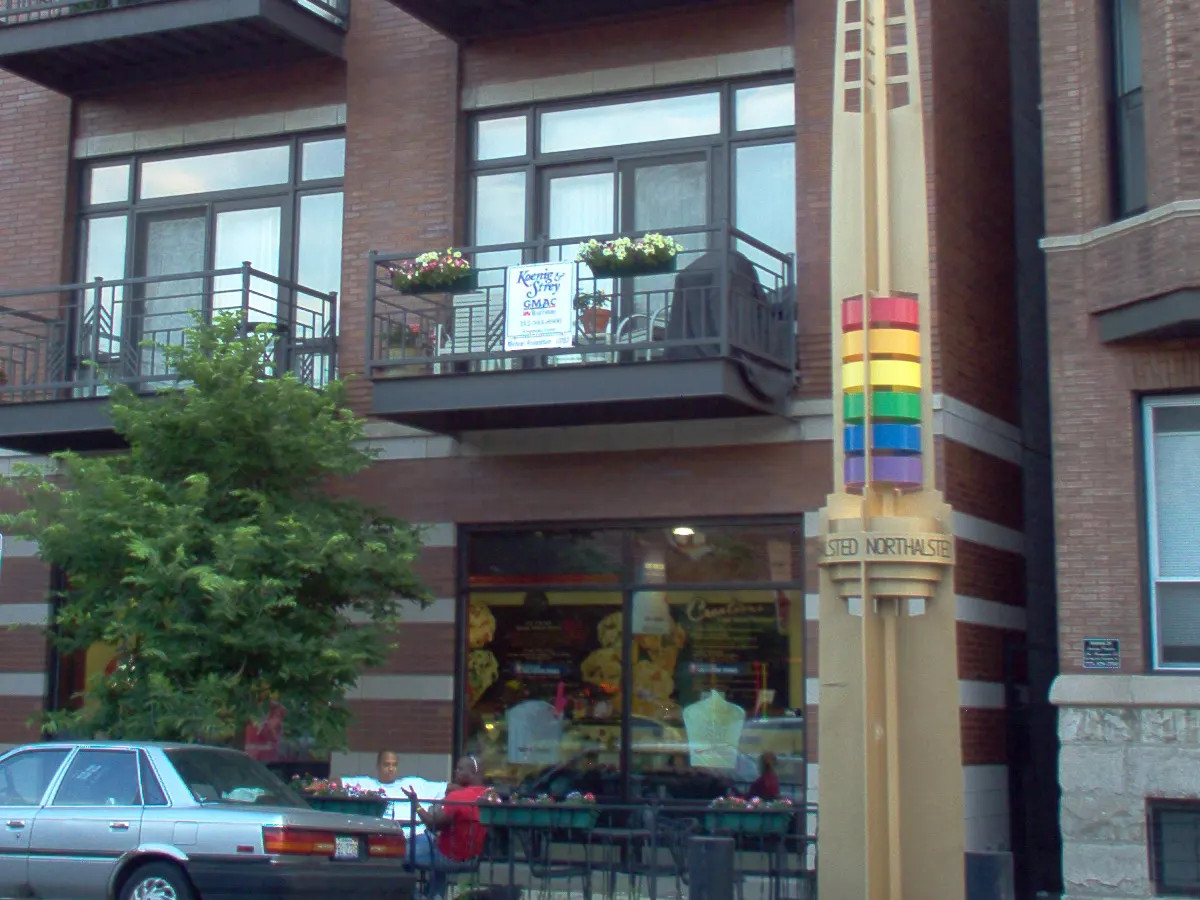
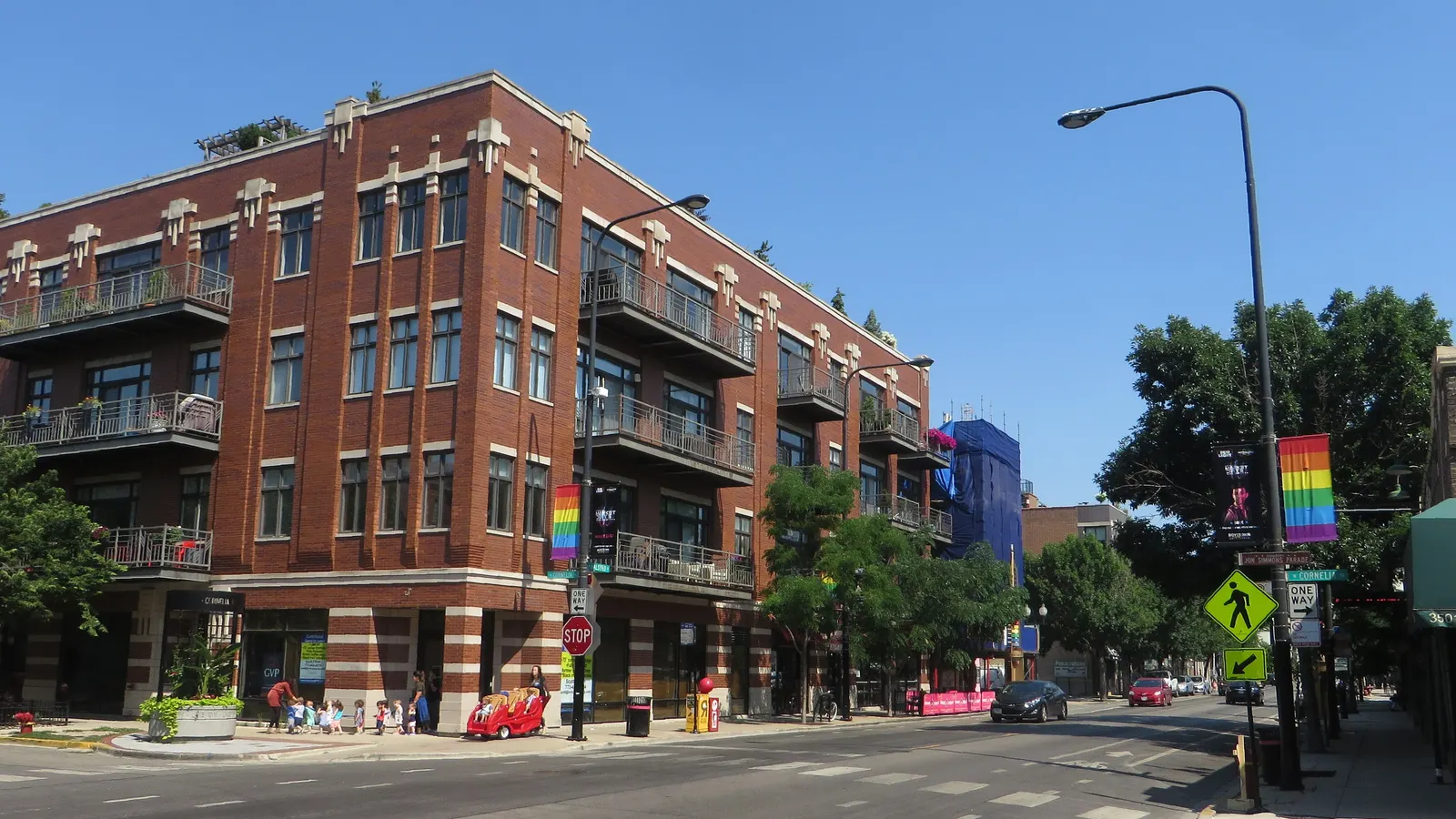
Northalsted was the country's first LGBTQ commercial and cultural district officially recognized by a city government. Since 1997, 20 rainbow pylons have lined Halsted Street, carrying the Legacy Walk's bronze plaques since 2012, and the streetscape became a Chicago Landmark in 2019. Andersonville, a few miles north, began as a Swedish immigrant neighborhood and by the 1980s had a large LGBTQ+ community. Zillow's typical home value was about $466,000 in Lake View, which includes Northalsted, and about $626,000 in Andersonville. Our Chicago guide covers each neighborhood.
Chicago hub · Real estate agents in the Chicago area
Seattle: Capitol Hill
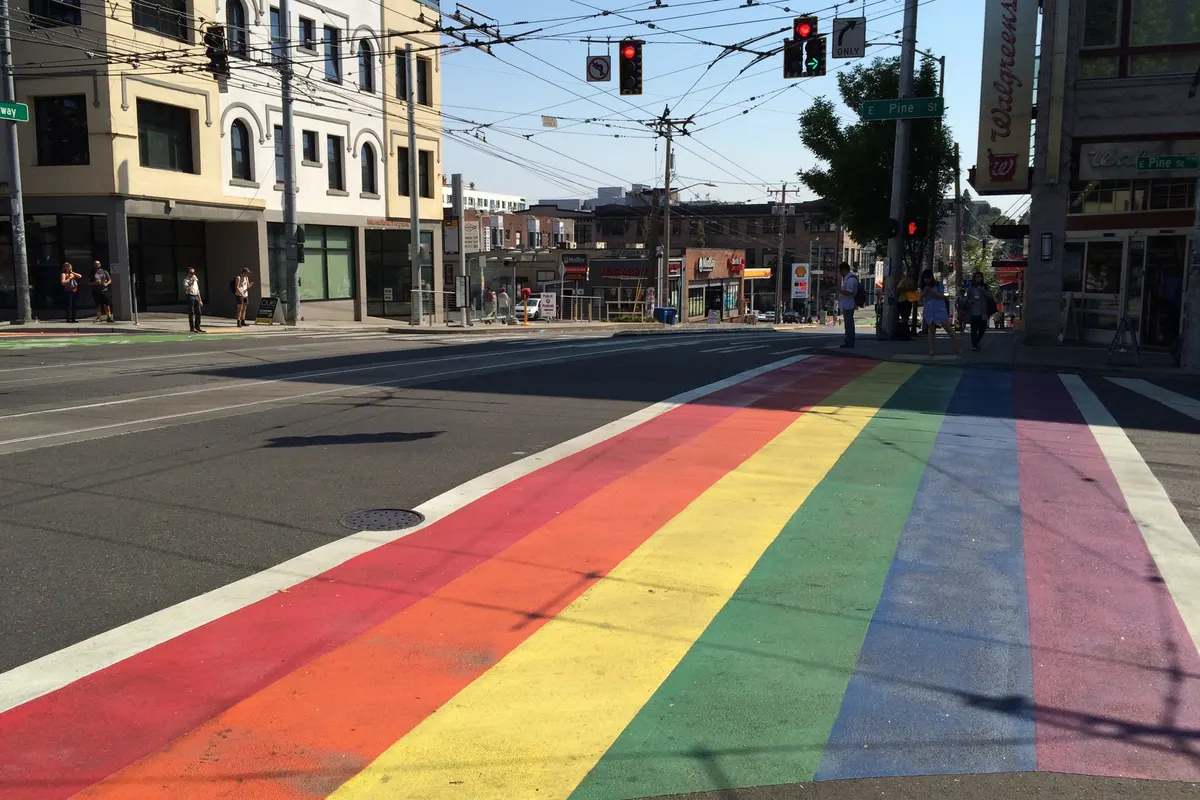
Capitol Hill became known as a tolerant enclave for Seattle's gay community in the 1950s and grew into the center of the city's LGBTQ+ life. In June 2015 the city painted rainbow crosswalks at six intersections along Pike and Pine streets. Expect older apartment buildings, newer mid-rises and quieter single-family streets on the edges. Zillow's typical home value was about $670,000.
Seattle hub · Real estate agents in the Seattle area
Philadelphia: the Gayborhood
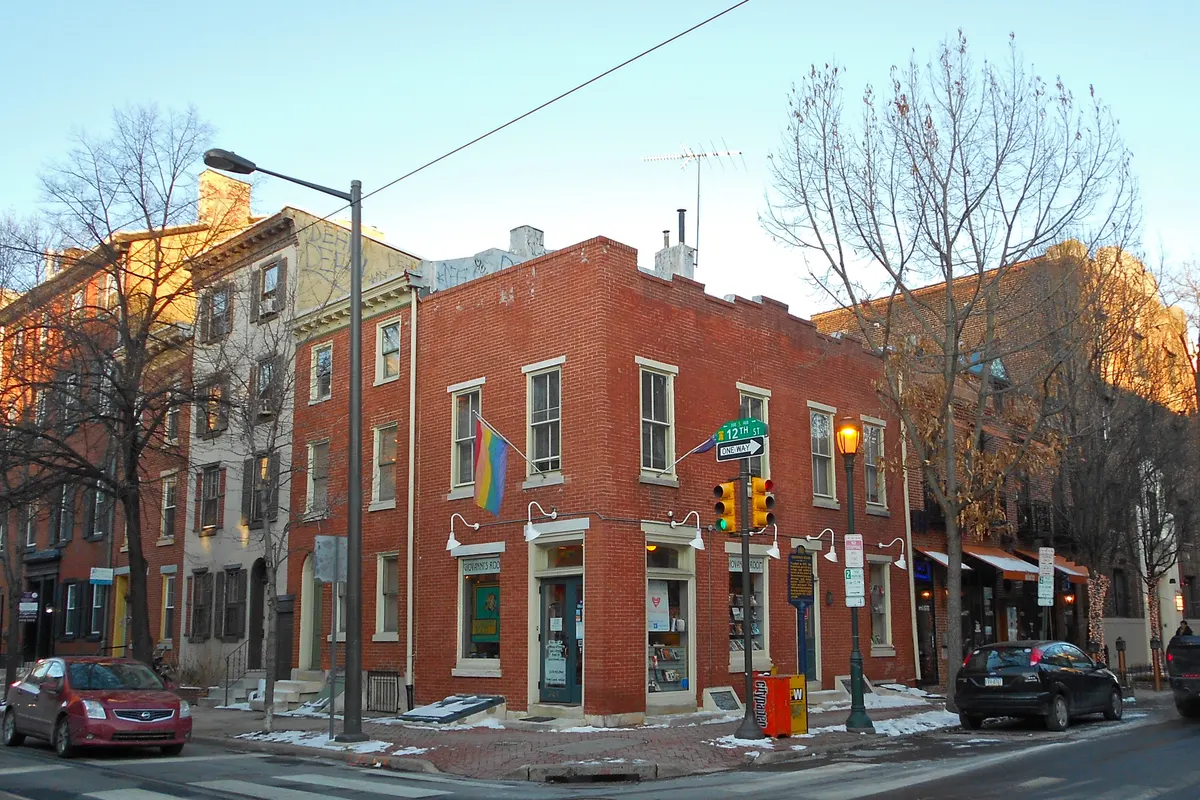
The Gayborhood sits inside Washington Square West, in Center City. In 2007 the city installed 36 rainbow street signs between 11th and Broad streets and Pine and Walnut streets. Expect rowhouses, apartments and condos on narrow, walkable streets. The typical home value in Zillow's Washington Square neighborhood was about $398,000.
Philadelphia hub · Real estate agents in the Philadelphia area
Boston: the South End and Jamaica Plain
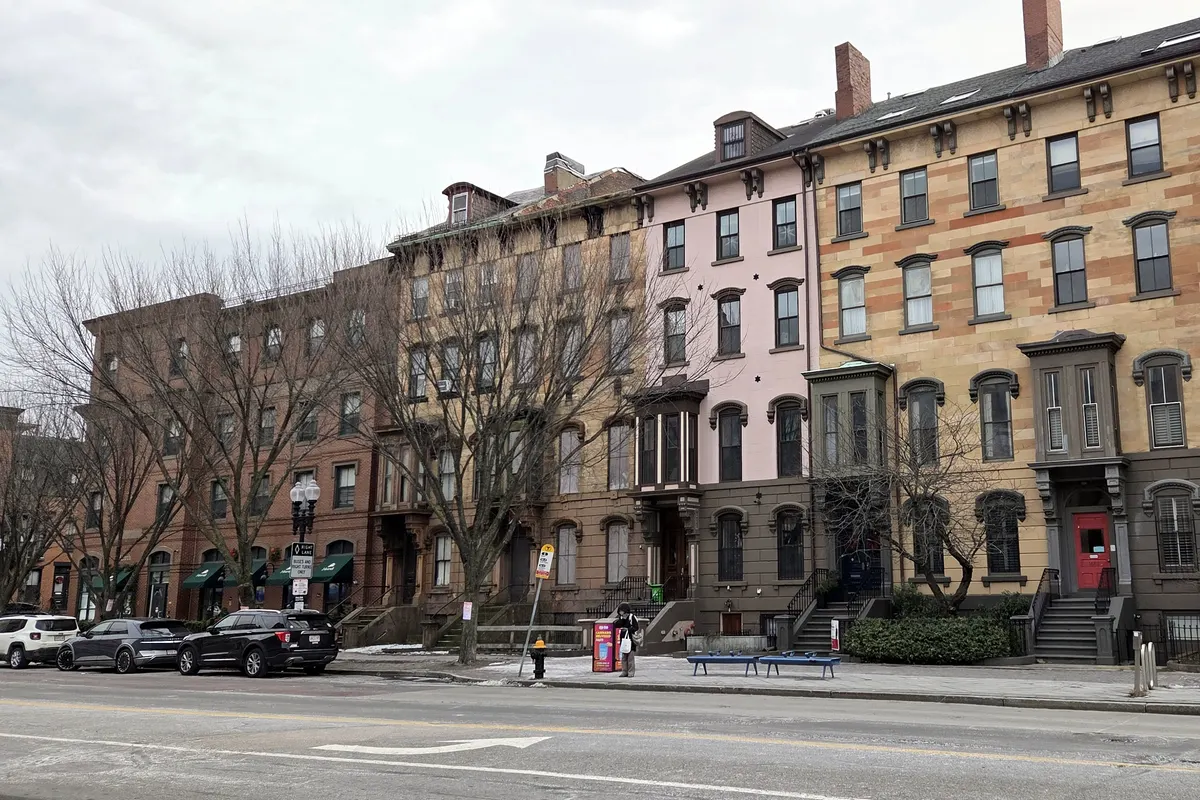
Gay men began moving to the South End in the 1960s and 1970s for its inexpensive housing, and it remains central to LGBTQ+ life in Boston, along with greener, more residential Jamaica Plain. The South End is listed on the National Register of Historic Places as the largest Victorian brick rowhouse district in the United States. Zillow's typical home value was about $1,081,000 in the South End and about $794,000 in Jamaica Plain.
Boston hub · Real estate agents in the Boston area
Houston: Montrose
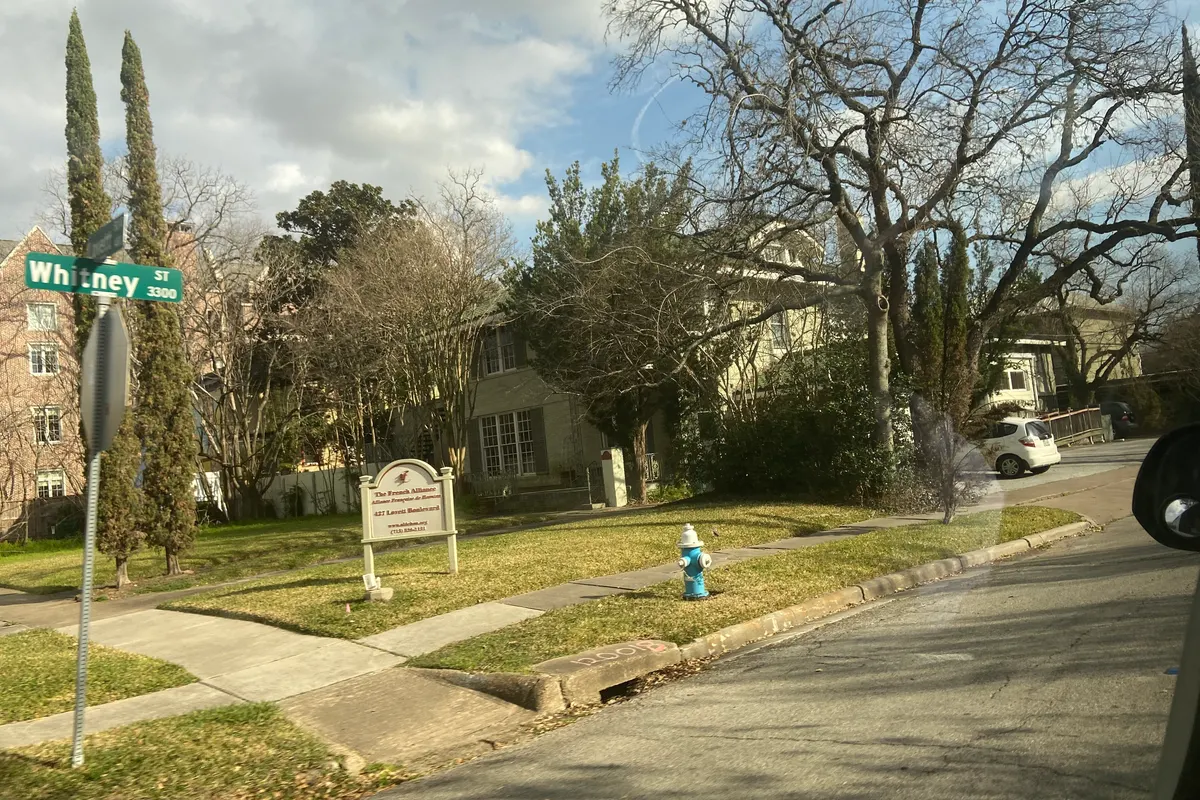
Montrose has been the center of Houston's gay and lesbian community since the 1970s. Platted in 1911, it holds several city historic districts, with bungalows and older mansions beside newer townhouses and lofts. Zillow's typical home value for Montrose, which Zillow groups with Neartown, was about $604,000.
Houston hub · Real estate agents in the Houston area
Dallas: Oak Lawn
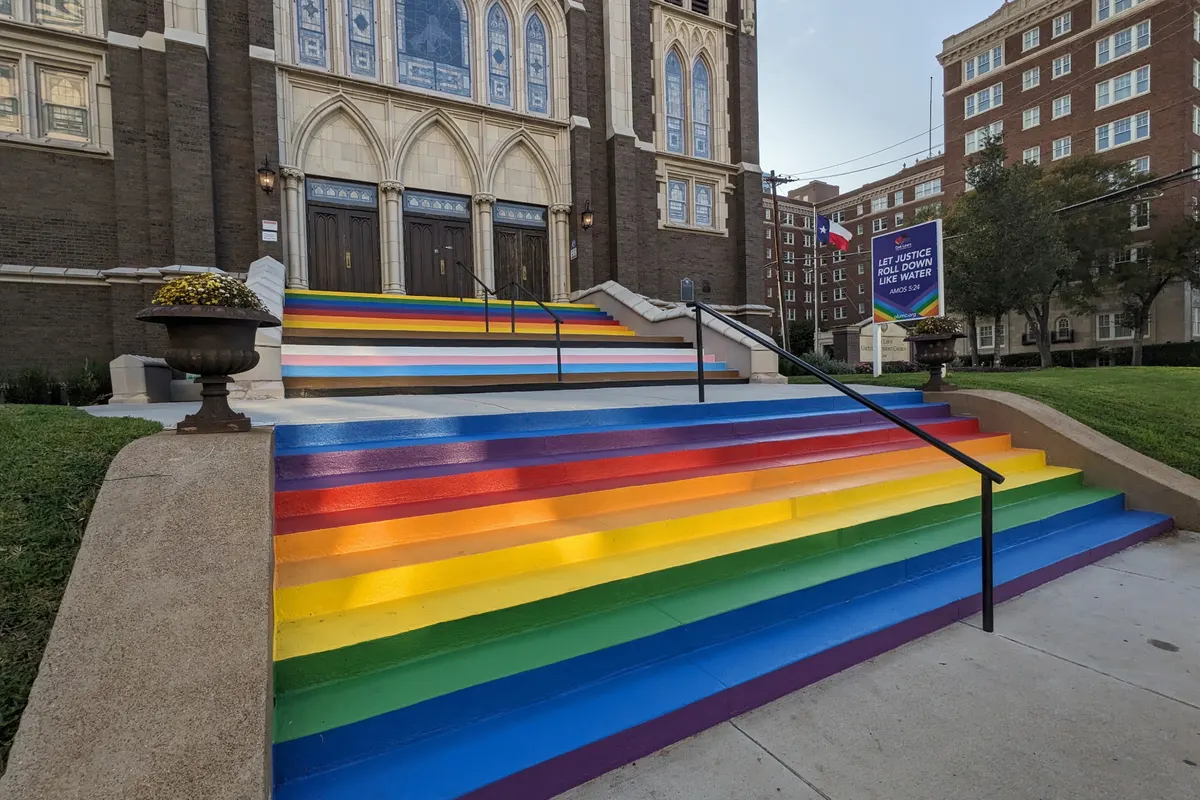
Oak Lawn has been the heart of Dallas's LGBTQ+ community since the 1970s. Its best-known landmark is the Legacy of Love monument, a 27-foot obelisk at Cedar Springs Road and Oak Lawn Avenue. Expect apartments, condos and townhomes. Zillow does not publish a typical home value for Oak Lawn, so ask a local agent for recent sales.
Dallas hub · Real estate agents in the Dallas area
South Florida: Wilton Manors and Fort Lauderdale
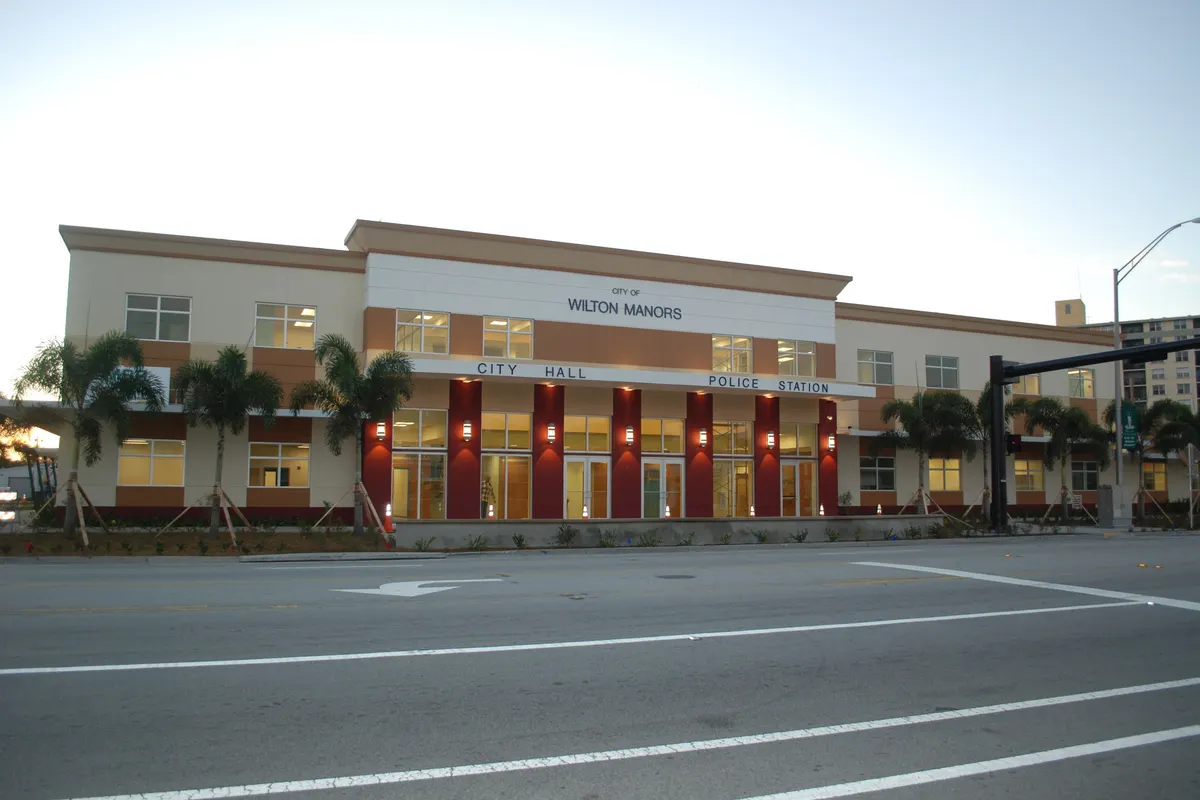
Wilton Manors, just north of Fort Lauderdale, elected Broward County's first openly gay official in 1988, and in November 2018 it became the first city in Florida with an all-LGBTQ+ city commission. Buyers often look across neighboring cities too. Zillow's typical home value was about $580,000 for the city of Wilton Manors and about $511,000 for Fort Lauderdale.
Miami and South Florida hub · Real estate agents in South Florida
Palm Springs and the Coachella Valley
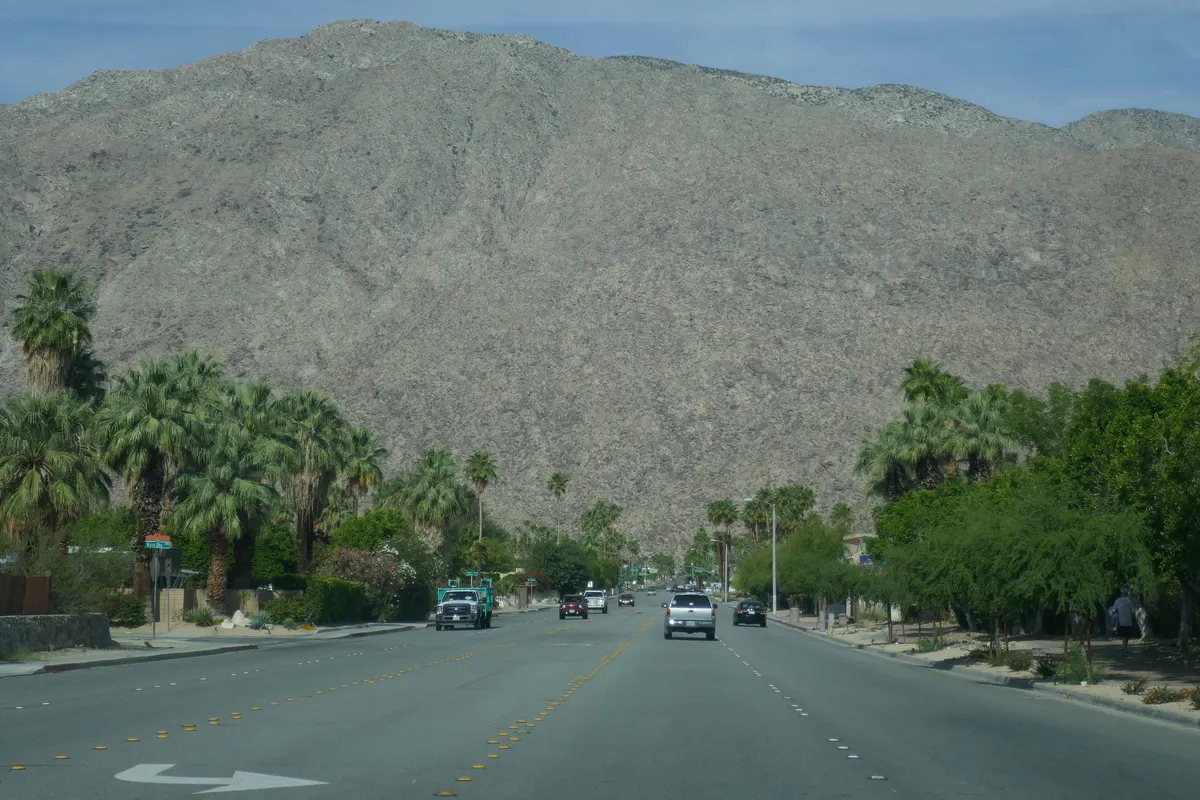
Palm Springs draws LGBTQ+ residents, part-timers and retirees from across the country, and in 2017 it seated the country's first all-LGBTQ city council. For a second home or retirement, ask early about HOA rules and how the market shifts between winter and summer. Zillow's typical home value for the city was about $608,000.
Palm Springs hub · Real estate agents in the Palm Springs area
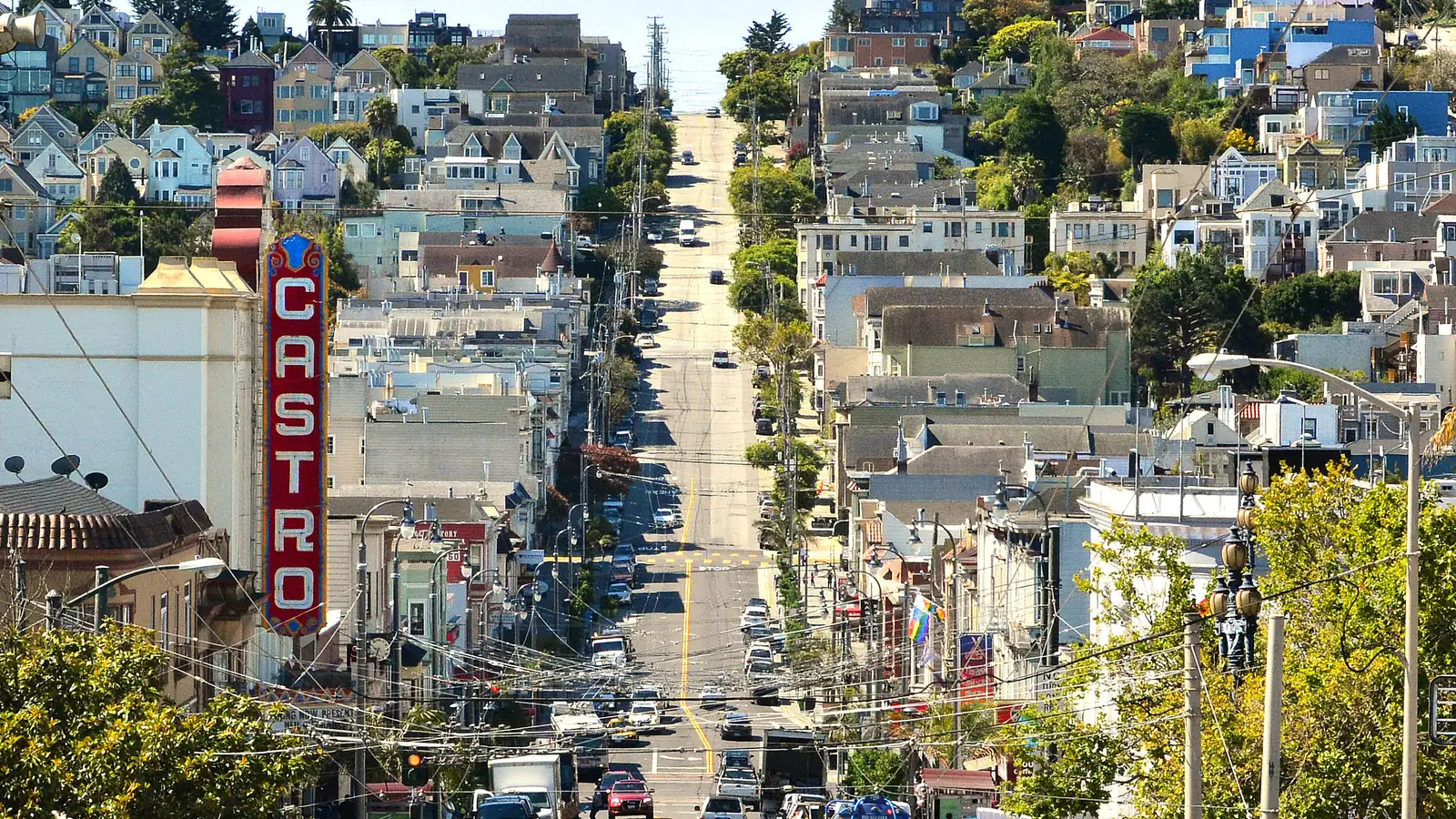
San Francisco: the Castro
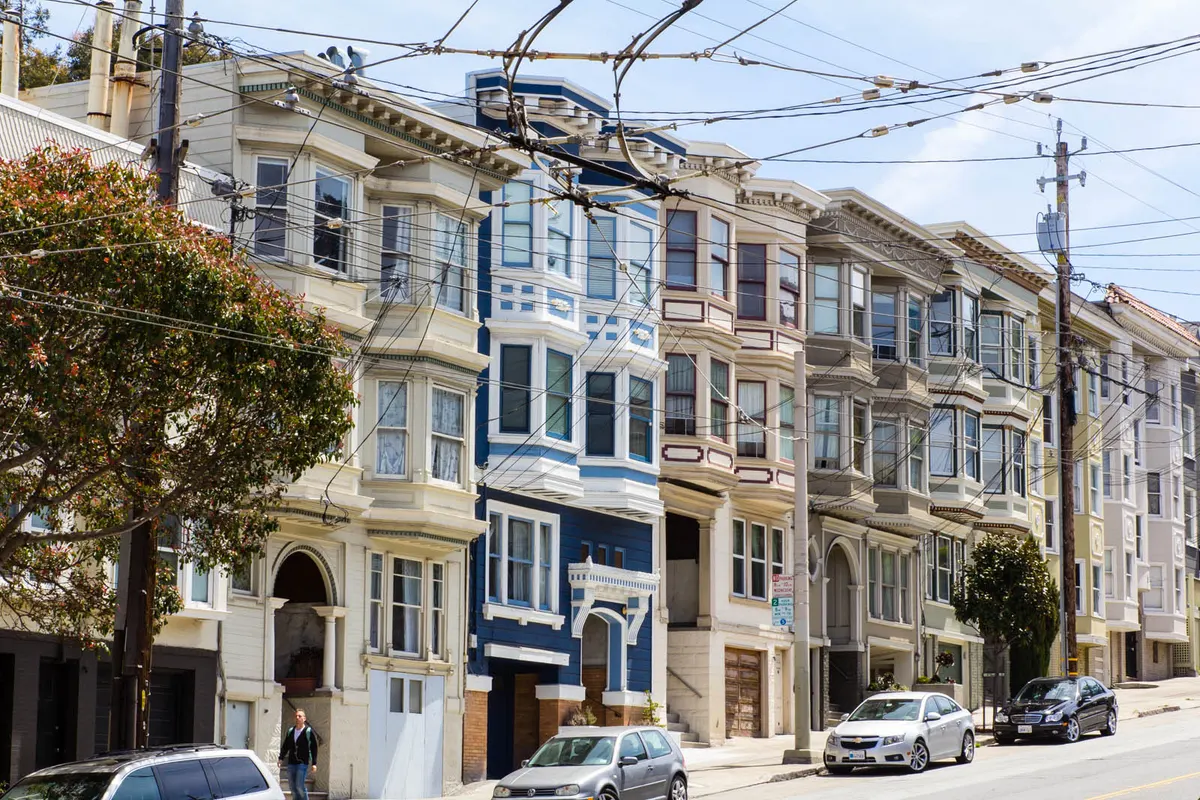
The Rainbow Honor Walk sets bronze plaques honoring LGBTQ+ figures into the Castro's sidewalks, and the neighborhood is a designated city cultural district, the Castro LGBTQ Cultural District. Zillow's typical home value was about $1,752,000, so many people who love the Castro look at nearby neighborhoods too.
San Francisco Bay Area hub · Real estate agents in the Bay Area
Los Angeles: West Hollywood
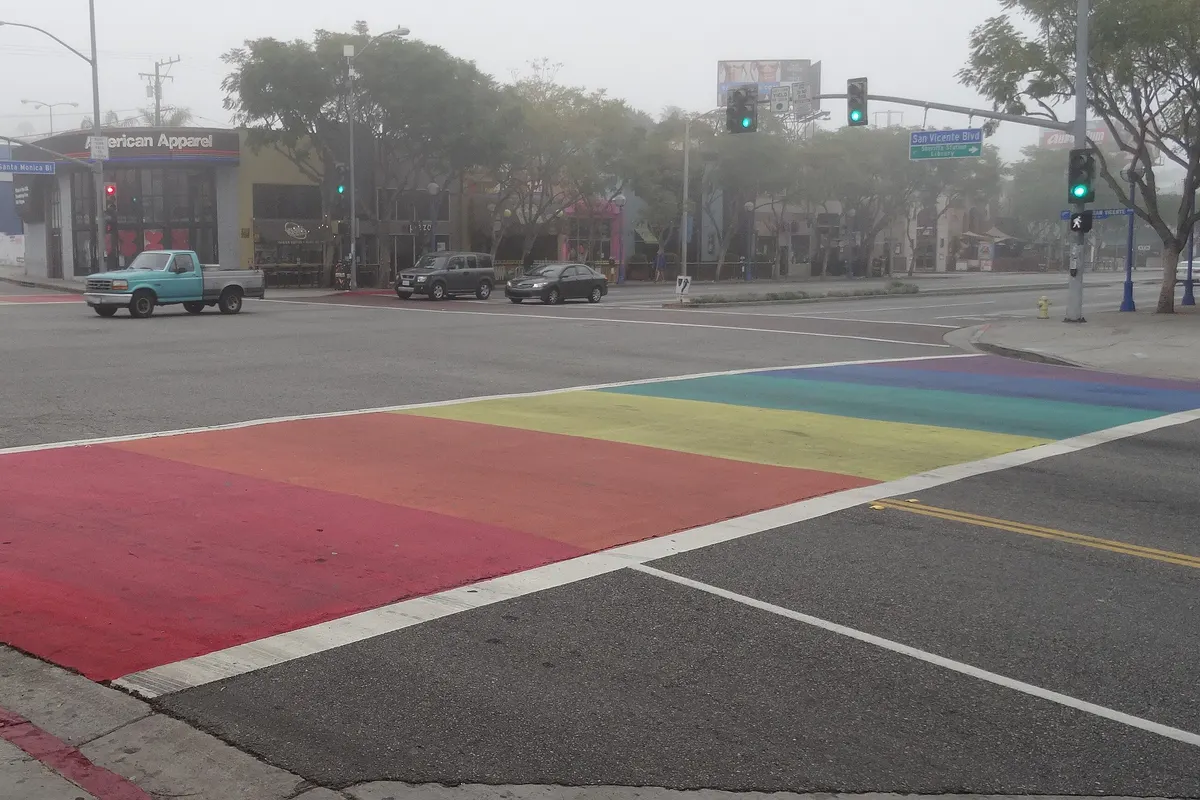
West Hollywood voted to become its own city in 1984, after a campaign by a coalition of LGBTQ+ activists, seniors and renters who wanted a city built around their rights, tenants' rights included. Worth knowing if you plan to rent first. Zillow's typical home value for the city was about $975,000.
Los Angeles hub · Real estate agents in the Los Angeles area
Washington, DC: Dupont Circle
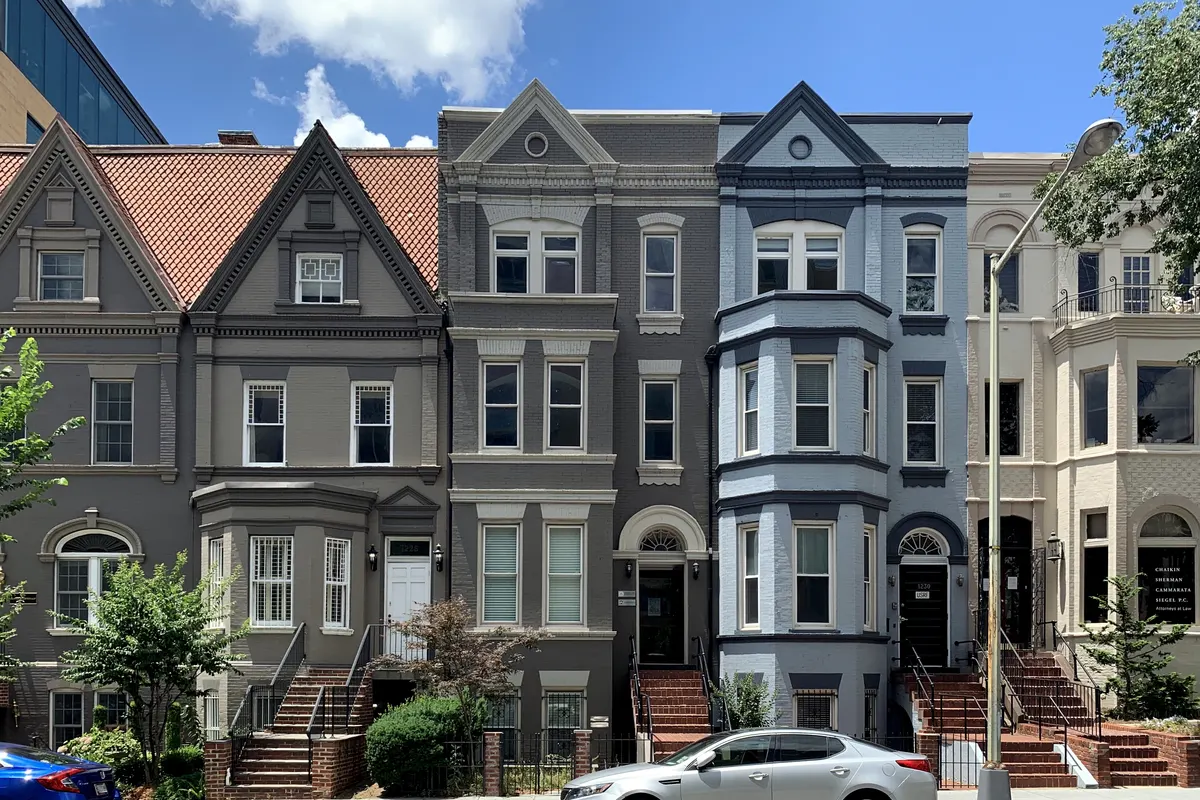
Dupont Circle was Washington's first gayborhood: Lambda Rising bookstore opened there in 1974, and Gay Pride Day, the precursor to Capital Pride, began there in 1975. In the 2010s much of the nightlife shifted to nearby Shaw. Zillow's typical home value was about $440,000 in Dupont Circle and about $766,000 in Shaw.
Washington, DC hub · Real estate agents in Washington, DC
Atlanta: Midtown
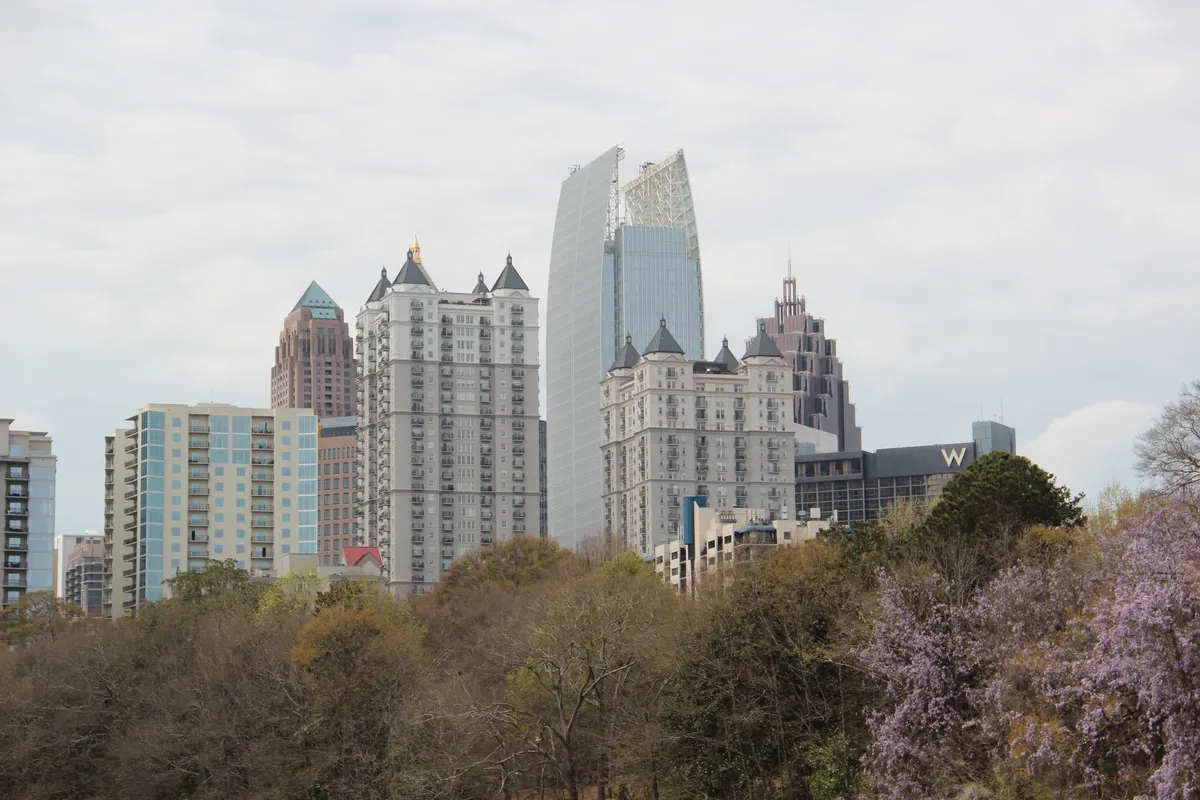
Midtown is historically the hub of Atlanta's LGBTQ+ community. A rainbow crosswalk at Piedmont Avenue and 10th Street, first installed for Atlanta Pride Week in 2015, was made permanent after a city announcement in 2017. Its mix of high-rise condos and older homes put Zillow's typical home value at about $351,000.
Atlanta hub · Real estate agents in the Atlanta area
What to weigh before you choose a neighborhood
| Factor | What to look at |
|---|---|
| Cost | Neighborhood prices and rents, plus taxes, HOA or condo fees and insurance |
| Commute | Door-to-door time at rush hour, and late-night options |
| Schools | School-level information, plus inclusion and bullying policies |
| Health care | Affirming primary care, specialists and pharmacies nearby |
| Local law | City and state protections in housing, employment and public places |
The famous strip and the streets around it can feel completely different, and a great place to go out is not always a quiet place to sleep. Look a few blocks out in every direction.
How to read a neighborhood beyond its reputation
Visit more than once. A neighborhood that only feels welcoming during Pride month is telling you something.
Look for what had to be built. A staffed community center, an LGBTQ+ health clinic and long-running groups take years to establish. They are better signals than a flag in a window.
Check the law, not just the mood. Many cities and states name sexual orientation and gender identity in their housing laws; New York City and Illinois both do. The Human Rights Campaign's Municipal Equality Index rates cities, and the Movement Advancement Project's equality maps cover states. Our relocation checklist walks through both.
Look one or two neighborhoods over. Much of the community lives outside the famous blocks, often with more space for less.
Buying vs. renting
In a new city, a year of renting tells you more than any number of weekend visits. If you are buying, condos and co-ops come with association rules, monthly fees and, for co-ops, board approval. Couples should also settle how they will hold title; our guide for LGBTQ+ couples buying a home covers those choices.
How to find an LGBTQ+ or ally real estate agent
Your agent decides which listings and areas you see. Search our directory for agents in your city, check the LGBTQ+ Real Estate Alliance's member directory, and ask friends who bought recently. Then interview at least two or three:
- Which neighborhoods would you show us, and why? An agent who steers you without explaining why is not doing the job.
- How do you handle a seller, landlord or building that treats clients unfairly?
- Who else would you bring in: a lender, an inspector, an attorney?
Being LGBTQ+ or an ally is a good start, but competence comes first. Our guide to finding an inclusive real estate agent has a fuller checklist.
FAQ
What is a gayborhood?
A neighborhood with a large, visible LGBTQ+ community and a history of LGBTQ+ businesses, institutions and events, such as the Castro, Northalsted or Montrose.
Do I have to live in a gayborhood to feel at home?
No. Many LGBTQ+ people live elsewhere by choice, for price, space, schools or a shorter commute. What matters is that the place feels safe and has the services and community you need.
Are LGBTQ+ neighborhoods more expensive?
Often, yes. In August 2026, Zillow's typical home value was about $1.75 million in the Castro and about $1.08 million in Boston's South End, though Dupont Circle and Midtown Atlanta were under $450,000.
How can I tell if a city has housing protections for LGBTQ+ people?
Check your state's civil rights agency and your city's human rights or fair housing office. Protections vary and can change, so confirm the current rules before you sign anything.
Can I find an LGBTQ+ or ally agent in my city on your site?
Yes. The Real Estate Hub lists agents by state and city, each with a source on record, and every metro section above links to them.
Sources
- Stonewall National Monument proclamation (2016), Obama White House archives: https://obamawhitehouse.archives.gov/the-press-office/2016/06/24/presidential-proclamation-establishment-stonewall-national-monument
- NYC LGBTQ Historic Sites Project, LGBT Community Center: https://www.nyclgbtsites.org/site/lgbt-community-center/
- NYC LGBTQ Historic Sites Project, Julio Rivera Corner (Queens Pride Parade): https://www.nyclgbtsites.org/site/julio-rivera-corner/
- Village Voice, Michael Musto, "Hell's Kitchen Is Gayer Than Ever" (2013): https://www.villagevoice.com/hells-kitchen-is-gayer-than-ever-heres-my-bar-guide/
- City of Chicago, Rainbow Pylons and the Legacy Walk landmark designation report: https://www.chicago.gov/content/dam/city/depts/zlup/Historic_Preservation/Publications/Rainbow_Pylons_and_Legacy_Walk.pdf
- WTTW, Andersonville neighborhood history: https://www.wttw.com/chicago-by-l/neighborhoods/andersonville
- HistoryLink.org, Seattle Neighborhoods: Capitol Hill, Part 2: https://www.historylink.org/File/9841
- Capitol Hill Seattle Blog, rainbow crosswalks unveiled (2015): https://www.capitolhillseattle.com/2015/06/mayor-murray-set-to-unveil-rainbow-crosswalks-on-capitol-hill/
- Encyclopedia of Greater Philadelphia, Gayborhood: https://philadelphiaencyclopedia.org/essays/gayborhood/
- GBH News, the South End's Pride past and present (2022): https://www.wgbh.org/news/local/2022-06-08/a-walk-down-the-block-stepping-into-the-boston-pride-past-and-present-in-the-south-end
- South End Historical Society, our history: https://www.southendhistoricalsociety.org/our-history/
- American Planning Association, Montrose, Houston (Great Places in America): https://www.planning.org/greatplaces/neighborhoods/2009/montrose.htm
- Texas Highways, Legacy of Love monument in Oak Lawn: https://texashighways.com/culture/legacy-of-love-seeks-to-unite-all-in-dallas-oak-lawn-neighborhood/
- City of Wilton Manors, LGBTQ+ life in Wilton Manors: https://www.wiltonmanors.gov/290/LGBTQ-Life-in-Wilton-Manors
- CBS News, Palm Springs inducts the nation's first all-LGBT city council (2017): https://www.cbsnews.com/news/palm-springs-lgbt-city-council-california/
- Rainbow Honor Walk: https://rainbowhonorwalk.org/
- Castro LGBTQ Cultural District: https://castrolgbtq.org/
- West Hollywood History Center, the gay rights movement and the push for cityhood: https://www.westhollywoodhistory.org/weho-history/the-gay-rights-movement-and-the-push-for-cityhood/
- Washingtonian, DC's gayborhoods (2017): https://washingtonian.com/2017/10/06/dcs-gayborhoods-disappearing-feel/
- TIME, Atlanta makes its rainbow crosswalk permanent (2017): https://time.com/4823041/rainbow-crosswalk-atlanta-lgbtq-pride-month/
- The LGBT Community Center: https://gaycenter.org/
- Callen-Lorde Community Health Center: https://callen-lorde.org/
- Center on Halsted: https://www.centeronhalsted.org/
- Howard Brown Health, locations: https://howardbrown.org/locations/
- Gay City: https://www.gaycity.org/
- Lambert House: https://www.lamberthouse.org/contact
- William Way LGBT Community Center: https://www.waygay.org/
- Mazzoni Center: https://www.mazzonicenter.org/
- Fenway Health, locations: https://fenwayhealth.org/info/locations/
- Queer History Boston: https://www.queerhistoryboston.org/
- Montrose Center: https://montrosecenter.org/
- Legacy Community Health, Montrose: https://www.legacycommunityhealth.org/legacy-montrose/
- Resource Center, locations: https://myresourcecenter.org/locations/
- The Pride Center at Equality Park: https://pridecenterflorida.org/
- Stonewall National Museum & Archives: https://stonewall-museum.org/
- The LGBTQ Community Center of the Desert: https://thecentercv.org/en/contact-us/
- DAP Health: https://daphealth.org/
- GLBT Historical Society: https://www.glbthistory.org/
- San Francisco AIDS Foundation, locations: https://www.sfaf.org/about/locations-hours/
- City and County of San Francisco, SF LGBT Center: https://www.sf.gov/location--sf-lgbt-center-access-point
- Los Angeles LGBT Center, locations: https://lalgbtcenter.org/about/locations/
- ONE Archives at the USC Libraries: https://one.usc.edu/
- Whitman-Walker Health, locations: https://www.whitman-walker.org/locations/
- CDC National Prevention Information Network, DC Center for the LGBT Community: https://npin.cdc.gov/organization/dc-center-lgbt-community
- AID Atlanta, contact: https://www.aidatlanta.org/about-us/contact-us/
- NYC Commission on Human Rights, protected classes in housing: https://www.nyc.gov/site/fairhousing/rights-responsibilities/what-are-the-protected-classes.page
- Illinois Human Rights Act, definitions (775 ILCS 5/1-103): https://www.ilga.gov/legislation/ilcs/fulltext.asp?DocName=077500050K1-103
- NYC Department of Consumer and Worker Protection, FARE Act: https://www.nyc.gov/site/dca/about/FAQ-Broker-Fees.page
- Human Rights Campaign, Municipal Equality Index: https://www.hrc.org/resources/municipalities
- Movement Advancement Project, equality maps: https://www.lgbtmap.org/equality-maps
- LGBTQ+ Real Estate Alliance, member directory: https://realestatealliance.org/
- Zillow Research, Zillow Home Value Index (ZHVI) data, neighborhood and city series, August 2026 (checked October 5, 2026): https://www.zillow.com/research/data/
Find an agent
LGBTQ+ and ally real estate agents across the US
Each is a published listing with a source on the record. Open a profile to see why it is listed, then interview them like you would anyone else.
Keep reading
_(cropped).jpg)


Own or know an inclusive business?
List it free so people can discover it year-round — with a source you control.
List your business