The Label
70 Million People, One Label: What "Hispanic" Can and Can't Tell Us
Luke October 1, 2026
70 Million People, One Label: What "Hispanic" Can and Can't Tell Us
Hispanic Heritage Month has a scale problem.
The United States has an estimated 70.1 million Hispanic residents, roughly 21% of the country. Every September 15, we try to fit all of them under one heading.
That heading covers a family that has lived in New Mexico for generations and someone who arrived from Venezuela last year. A third-generation Cuban American in Miami and a Puerto Rican family in Philadelphia. A Mexican American contractor in Phoenix, an Afro-Dominican artist in New York, someone whose grandparents came from Spain, someone who speaks Spanish every day and someone who never learned it.
As a category, it is useful. As a description, it is not even close. And that gap is one of the more interesting things to think about this month, especially if you run a directory that sorts businesses by labels like this one.
Even the calendar tells you it is more than one thing
Hispanic Heritage Month does not start on the first of the month. It runs from September 15 to October 15, and the start date is deliberate. September 15 is the independence anniversary of Costa Rica, El Salvador, Guatemala, Honduras and Nicaragua, and Mexico and Chile follow on September 16 and 18, according to the Census Bureau. Congress set aside a week for the observance in 1968 and stretched it to a month in 1988.
So the observance itself begins with the independence days of several different countries, and then puts one name over all of them. There are good reasons for that. Big categories make people visible in statistics, in business programs and in public life. But categories have a habit of standing in for the people inside them, and that is where it gets interesting.
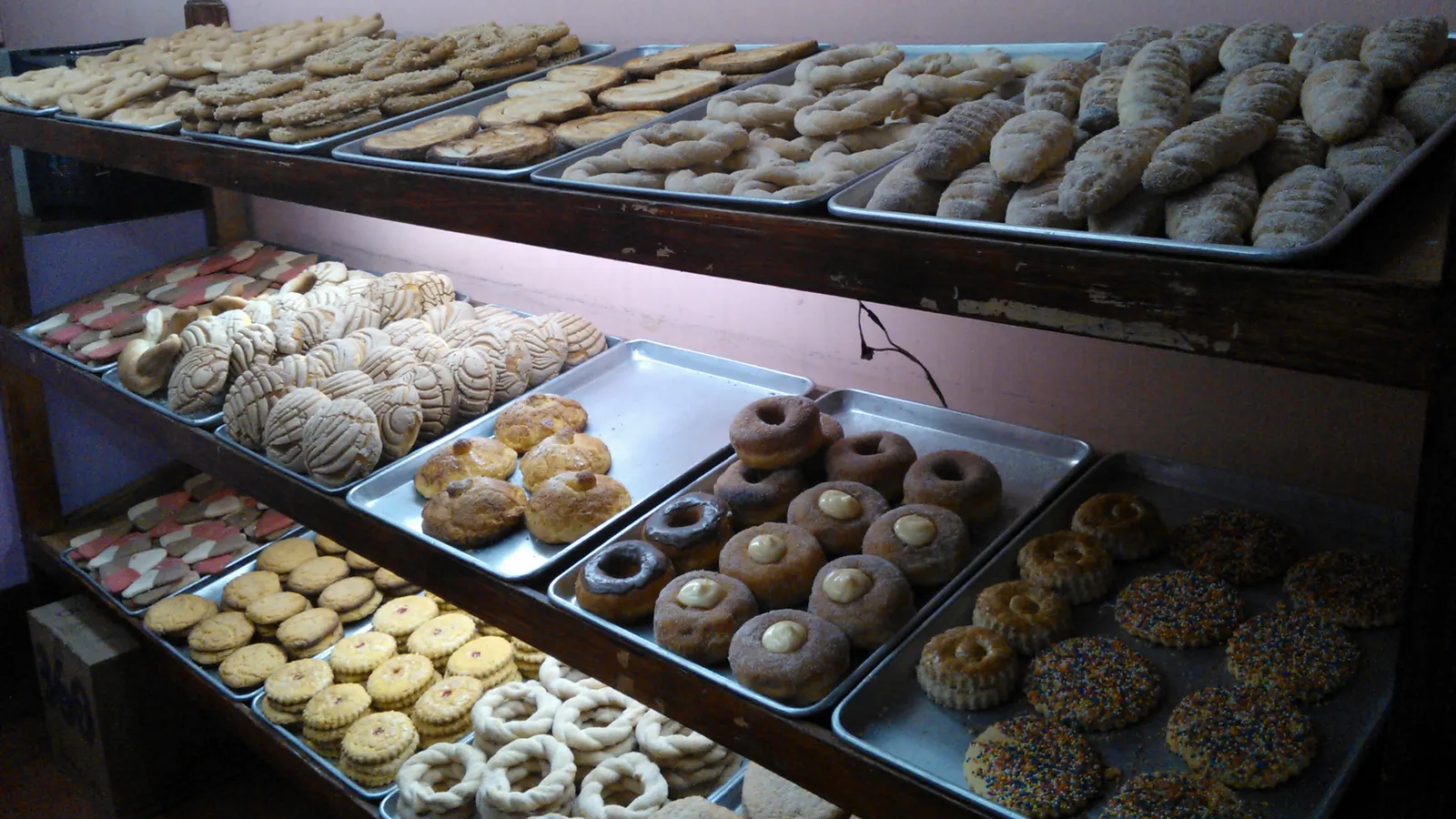
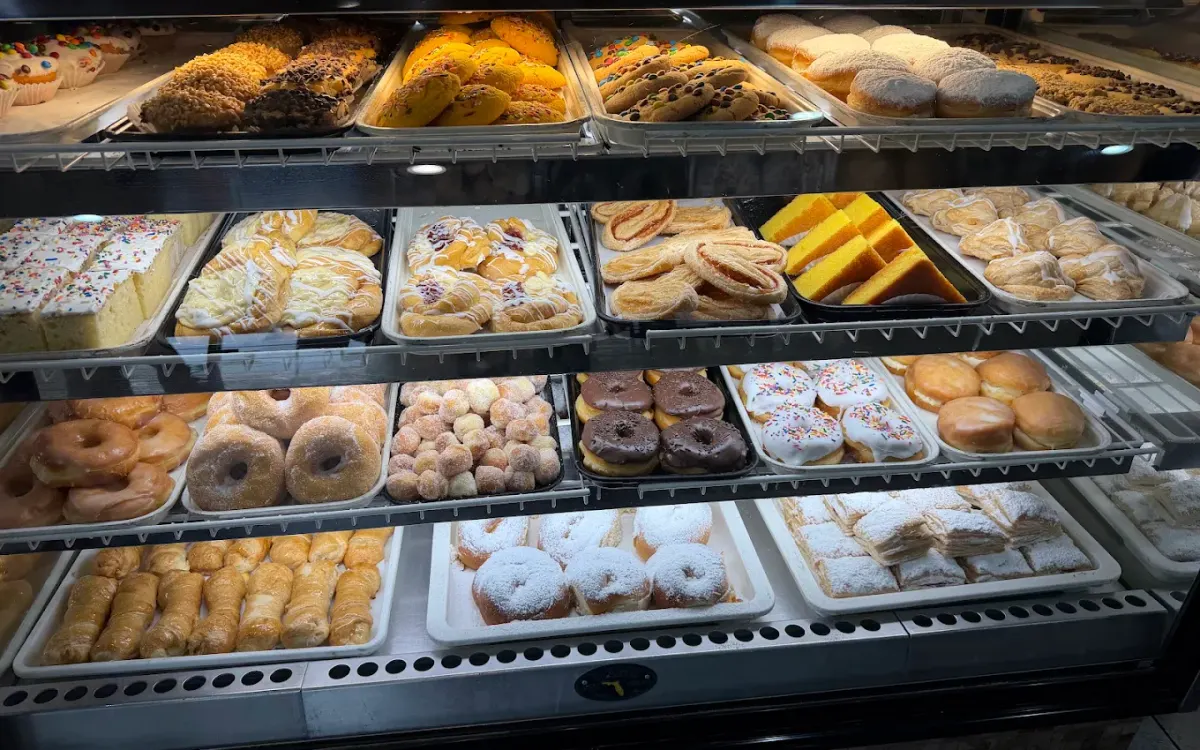
Pan dulce on the shelves in Guanajuato, Mexico. Photo: Lameirasb, CC BY-SA 4.0, via Wikimedia Commons, cropped.
Most people do not describe themselves that way first
Pew Research Center asked 4,923 Hispanic adults in late 2025 how they actually describe themselves, and the answers are worth sitting with. Only 27% said the label they use most often is a pan-ethnic term such as Hispanic or Latino, either alone or with "American." A clear majority, 53%, said they most often use their country or place of origin: Mexican, Cuban, Puerto Rican, Salvadoran, Dominican American and so on, according to Pew.
Even among the broad terms, there is no single answer. In the same survey, 54% preferred Hispanic, 30% preferred Latino, 1% each chose Latinx or Latine, and 14% had no preference. It shifts across generations, too. About two-thirds of Hispanic adults born outside the U.S. most often use their country of origin. Among the third generation and beyond, 40% most often just call themselves American.
The words institutions use to organize people are not always the words people use for themselves.
That does not make the umbrella terms wrong. It makes them umbrellas. They are useful precisely because they cover a lot of different things underneath.
What that means for a directory
We think about this more than you might expect.
A directory needs categories. If you are looking for a Latino-owned business, the site has to be able to show you one, the same way it has to find an LGBTQ-owned, Black-owned, women-owned or family-owned one. Without labels, discovery falls apart.
But a label should be the start of what is interesting about a place, not the end of it. Here are a few businesses in our directory that share the same tag and almost nothing else:
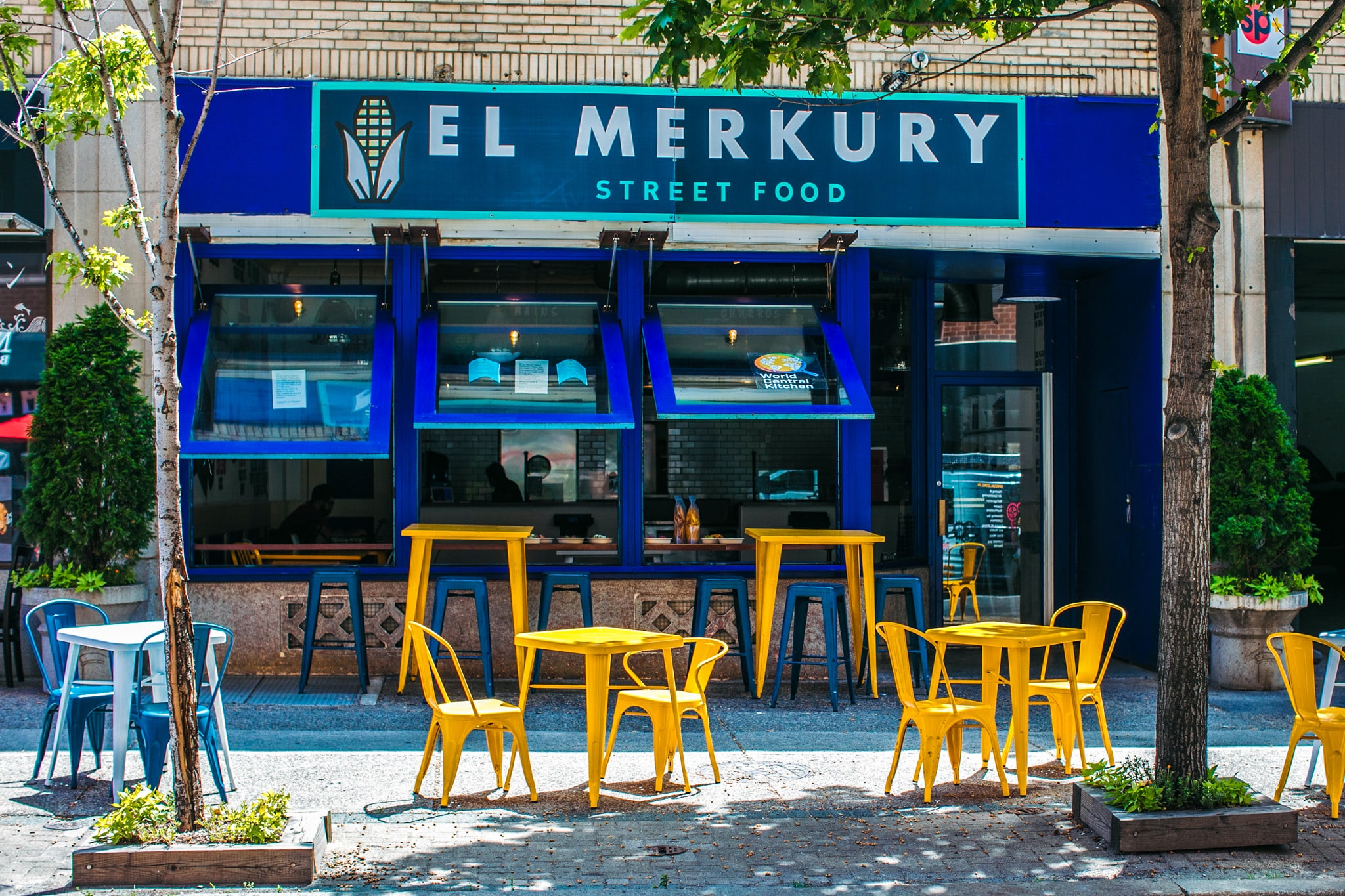
- El Merkury in Philadelphia is Central American street food, started in 2017 by Sofia Deleon, a Guatemalan immigrant who left a corporate food job to cook what she grew up with.
- Phoenix Coquí is Puerto Rican cooking in the Arizona desert, from a family who grew up in Toa Alta. It went from a home kitchen to a food truck to its own place on North 15th Avenue.
- Melao Bakery in Orlando is a family-run Puerto Rican bakery built on quesitos and bread made the way the owners' grandmother taught them.
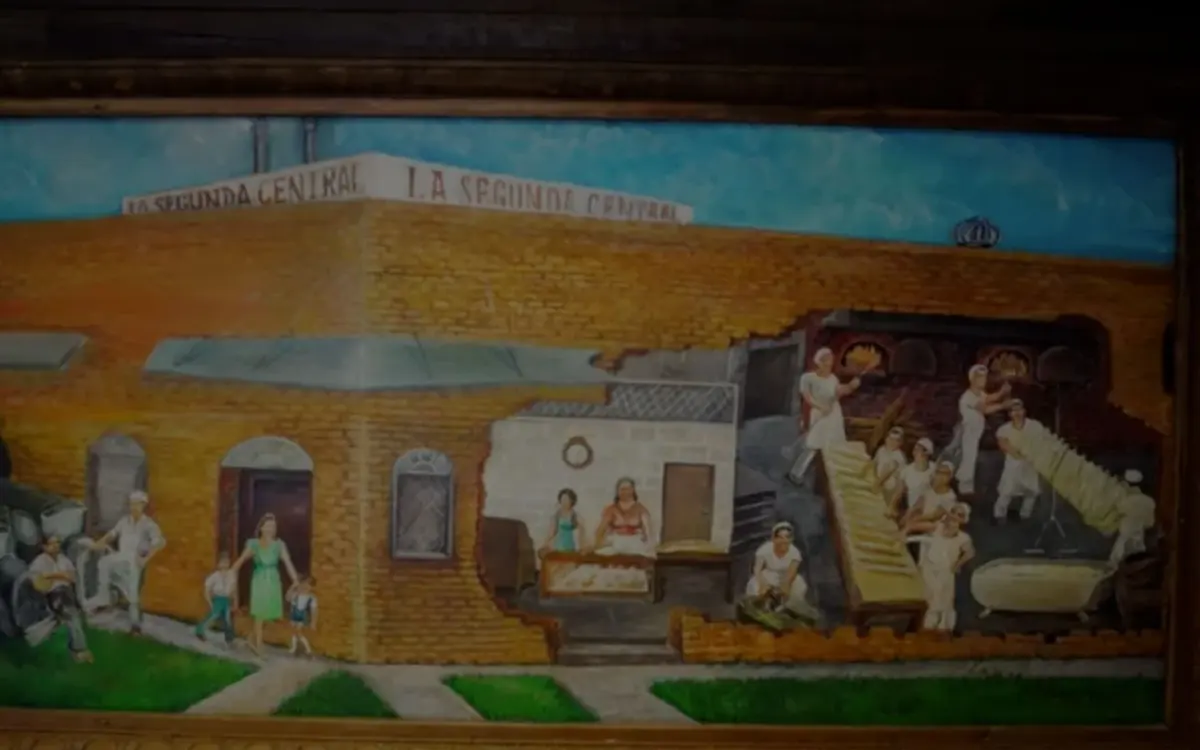
- La Segunda Bakery in Tampa is a Cuban bakery, part of a very different Florida story.
- MAS Global in Tampa is a software and AI consulting firm founded by Monica Hernandez, who came to the United States from Colombia with an engineering degree.
- Peace Love World in Miami is a clothing brand from Cuban-born designer Alina Villasante.
Same label, six completely different stories. The label helped you find the door. It does not tell you what is on the other side.
Some of these businesses you would never notice
That software firm is worth a second look, because it points at something the Heritage Month version of the story often misses.
We tend to talk about Hispanic "contributions" in terms of food, music and family. All true. But it can make one-fifth of the country sound like guests who brought something to the potluck. The business numbers describe something much bigger. In 2023, there were about 496,000 Hispanic-owned businesses with employees, bringing in $730.3 billion in receipts, according to the Census Bureau, plus 5.3 million more Hispanic-owned businesses that have no employees at all. In 2022, Hispanic-owned employer firms had about 3.6 million people on the payroll.
Those are employer firms, businesses with employees, not every side hustle. They include construction companies, medical practices, accounting firms, manufacturers, logistics companies, real estate brokerages and tech firms. Restaurants too, of course. But the restaurant is the one we notice, because you can see the empanadas. You cannot see that the company servicing your air conditioner is Latino-owned.
Some identities announce themselves. Others you have to go looking for. That is a real problem for a directory built around discovering businesses by who owns them, and it is one of the reasons we keep adding service businesses and not only places to eat.
A label does not tell you what kind of room you are in
There is one more thing a label cannot tell you.
Ownership and welcome are not the same thing. A Latino-owned business can be unwelcoming to gay customers. An LGBTQ-owned business can be hard to get into in a wheelchair. People carry more than one identity at a time, and businesses do too. In Pew's 2025 survey, 13% of Hispanic adults said they consider themselves Afro-Latino. Someone can be Latino and gay, Mexican American and disabled, Cuban American and conservative, Colombian and Jewish. The categories do not cancel each other out. They stack.
That sounds obvious written down. Databases, advertising and everyday conversation often act as if it is not.
A few things worth knowing
The closer you look, the less tidy it gets, and that is not a failure. It is what real communities look like. A few examples that trip people up:
- Puerto Ricans are U.S. citizens.
- Brazil is in Latin America, but Brazilians are not officially Hispanic. The federal definition covers people of Spanish culture or origin, and Brazil's language is Portuguese.
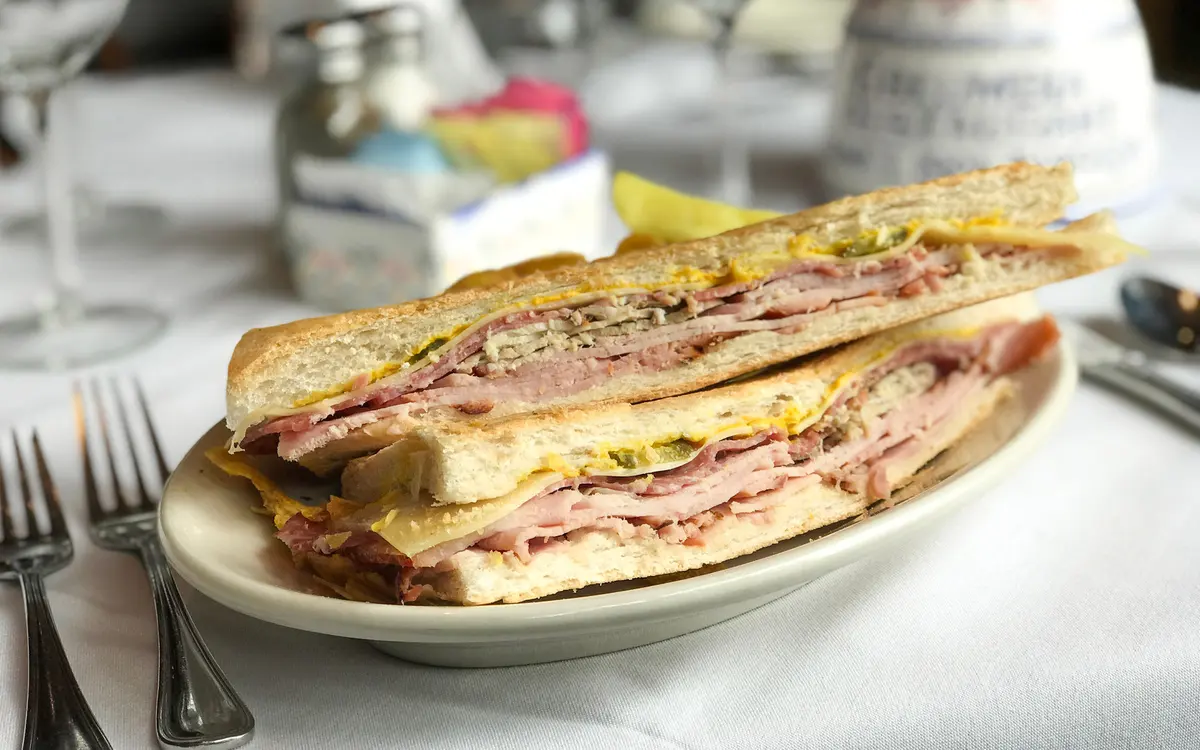
- Spain is Hispanic, but it is not in Latin America. Tampa's Columbia Restaurant has served Spanish and Cuban food for generations and is a good place to see that overlap on a menu.
- Cinco de Mayo is not Mexican independence day. It marks the Battle of Puebla, and outside the state of Puebla it is a fairly minor holiday in Mexico.
- Speaking Spanish does not mean someone is an immigrant, and being Hispanic does not mean someone speaks Spanish.
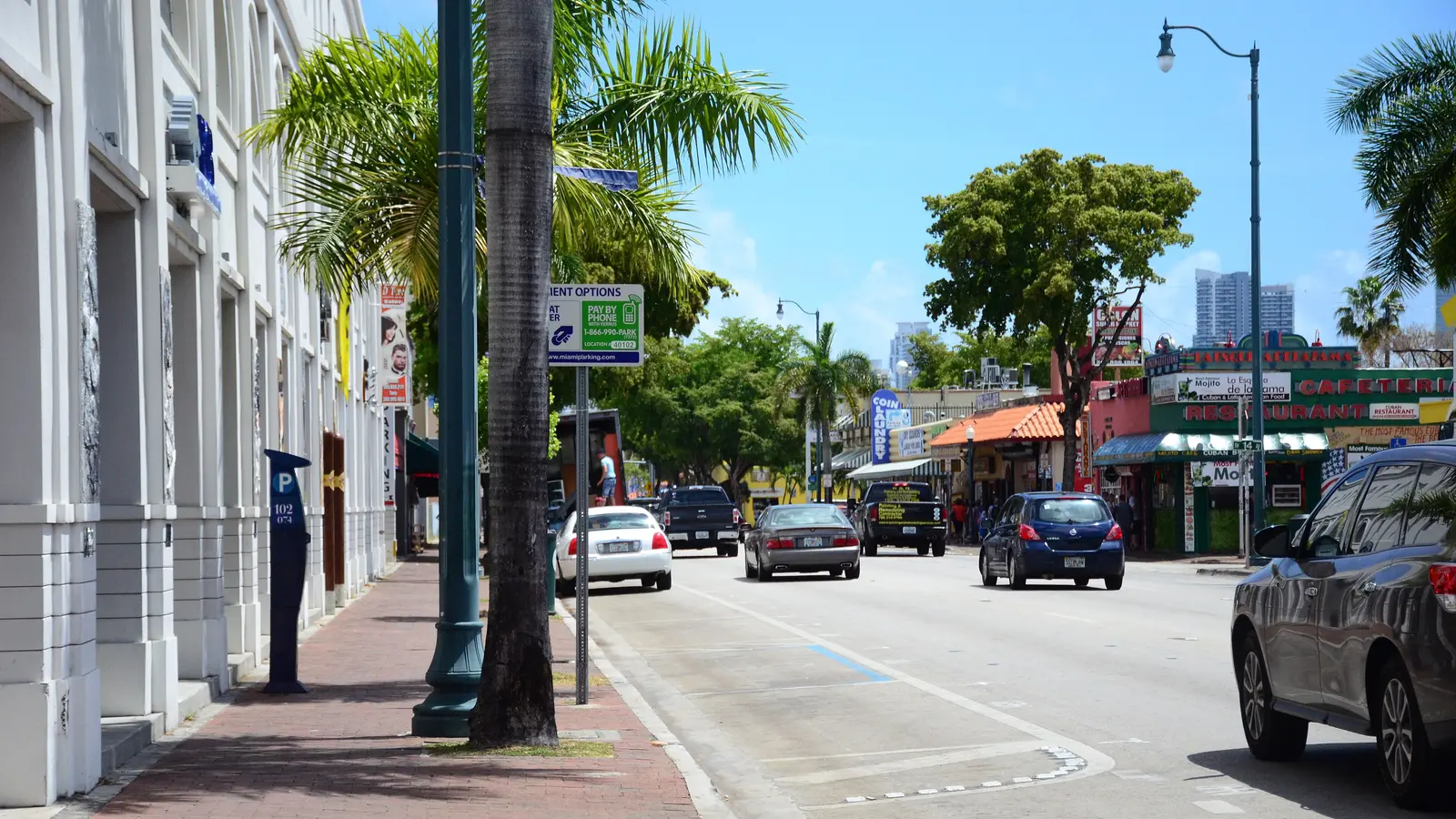
Calle Ocho in Miami's Little Havana. Photo: osseous, CC BY 2.0, via Wikimedia Commons, cropped.
Precision after discovery
So should we stop saying Hispanic? No. Broad identities build community, political visibility, research data and economic opportunity. They also make sites like this one possible. If you want to spend money with Latino-owned businesses on purpose, that should not require a research project.
The better habit might be precision after discovery. Use "Latino-owned" to find the business, then find out what it actually is. Use "LGBTQ-owned," "Black-owned," "women-owned" or "family-owned" as a doorway rather than a biography.
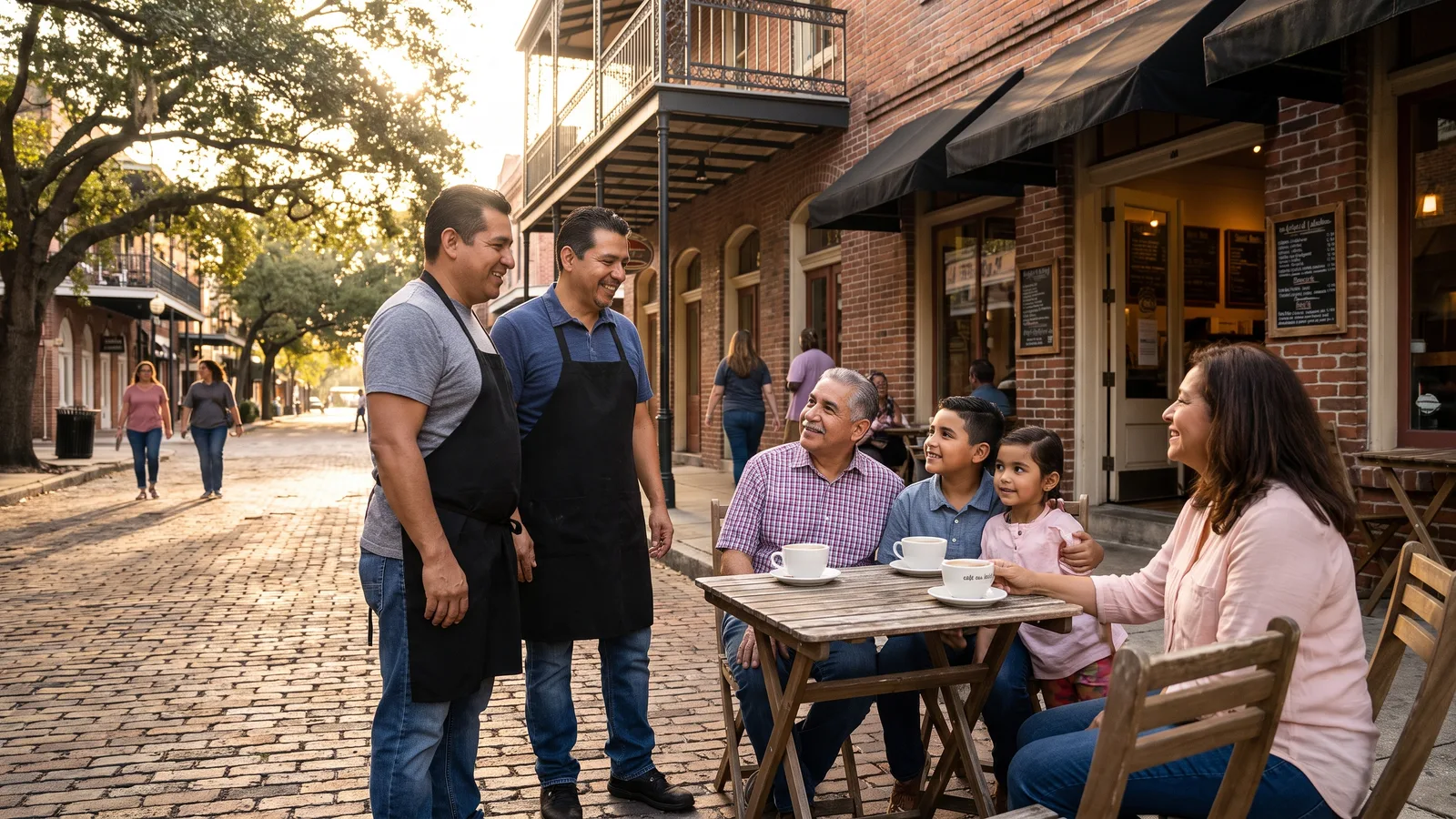
Not just Latino-owned, but a Guatemalan founder in Philadelphia. A Puerto Rican family in Phoenix. A Cuban bakery in Tampa. A Colombian-born engineer, in software. And then, ideally, something more specific than that: a person, a family, a reason the place exists.
That is where a directory starts being more useful than a database. And maybe it is a better reason for Hispanic Heritage Month to exist too. Not to make 70 million people look more alike for a month, but to give the rest of us an excuse to notice how different they are.
If you want to start looking, browse the Latino-owned businesses in our directory, or read our guides to Latino-owned businesses in Tampa and in Philadelphia. And if you own one, list your business free and tell people the specific version of your story.
Sources
- U.S. Census Bureau, "National Hispanic Heritage Month: 2026," Facts for Features, August 11, 2026: census.gov
- Pew Research Center, "The many ways U.S. Hispanics describe their identity," July 9, 2026: pewresearch.org
- Pew Research Center, "Who is Hispanic?" September 15, 2026: pewresearch.org
- U.S. Census Bureau, business owner characteristics release, November 20, 2025: census.gov
- U.S. Census Bureau, minority-, veteran- and women-owned employer businesses release, December 19, 2024: census.gov
- National Hispanic Heritage Month, About: hispanicheritagemonth.gov
- Encyclopaedia Britannica, "Cinco de Mayo": britannica.com
- 8 U.S.C. § 1402, citizenship of persons born in Puerto Rico: law.cornell.edu
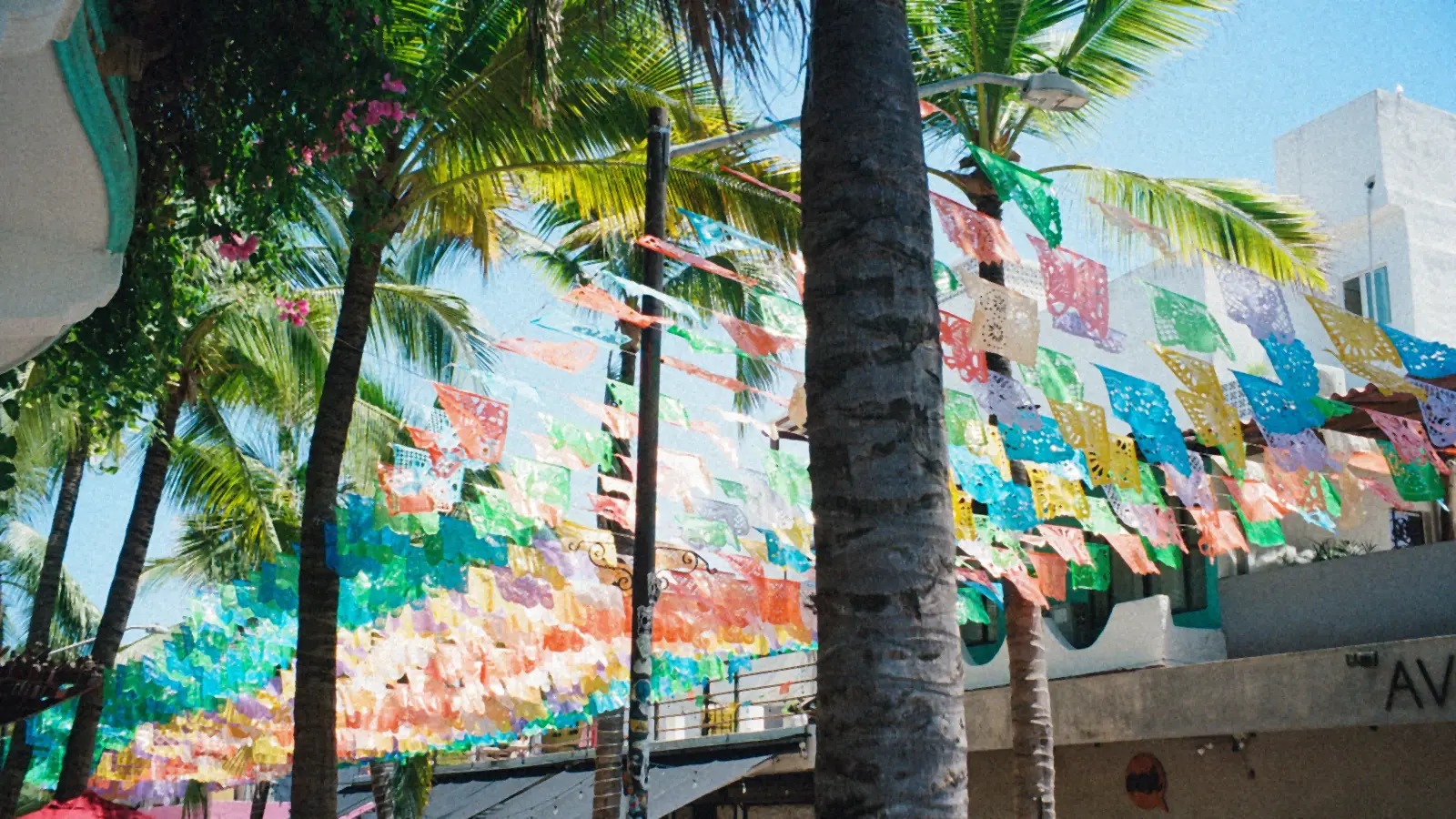
- Cover photo: papel picado in Sayulita, Mexico. Ameliebarajas, public domain (CC0), via Wikimedia Commons
About this note. Labels in the directory are tags with a source behind each one. This piece is about the words themselves, and it never assigns an identity to anyone.
In this note
Every place mentioned above, with its full listing.



Go deeper
More notes



Know a place we should write about?
Tell us where you felt welcome, or list your own business free with a source you control.