Essay
Maybe "Authentic" Is a Terrible Word
Richard September 28, 2026
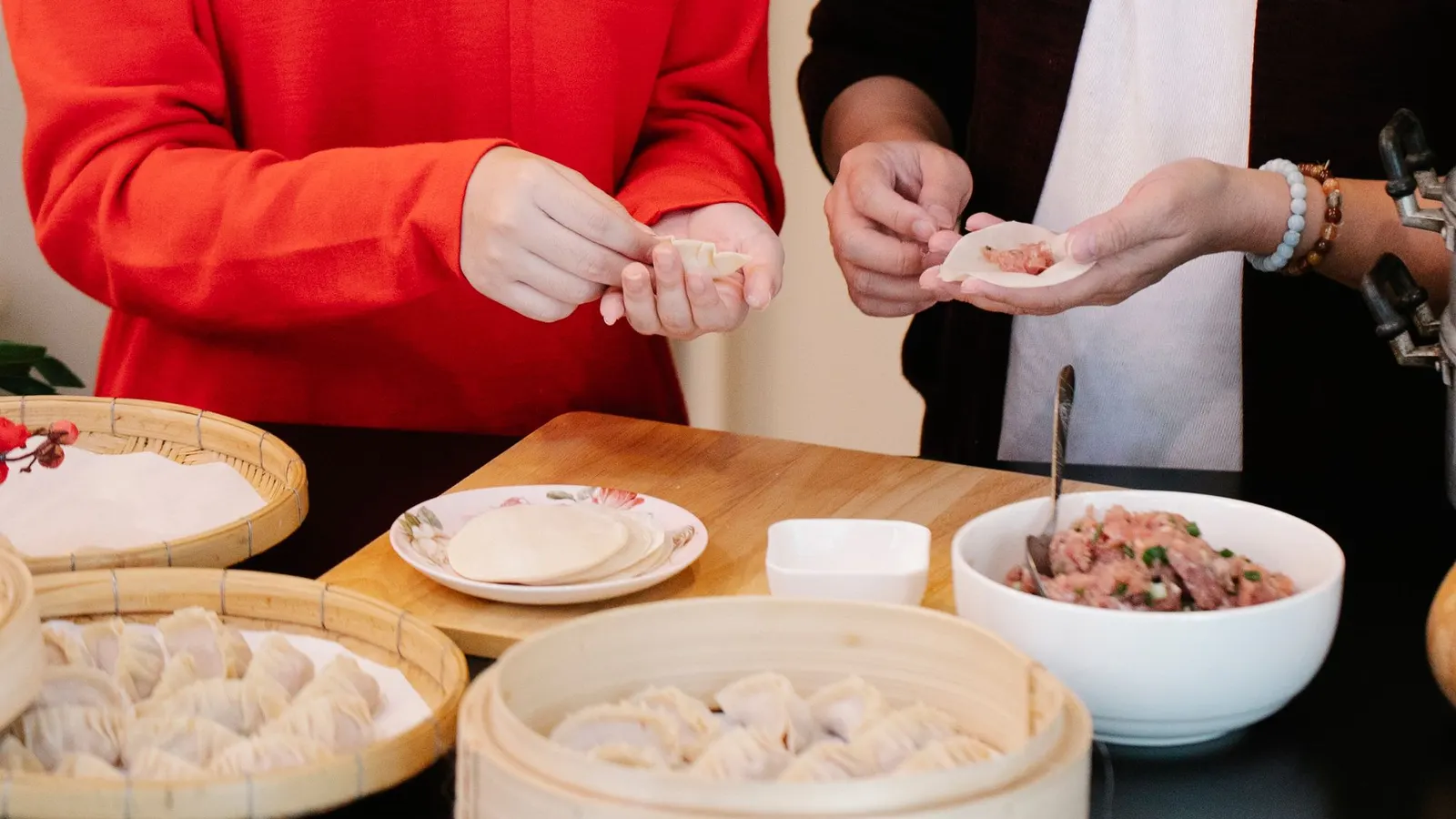
Maybe "Authentic" Is a Terrible Word
Read enough restaurant reviews and one word starts to follow you around. Authentic.
"Authentic tacos." "Super authentic, the menu's barely in English." "Not very authentic, but good." "Finally, authentic Thai in this town." It is meant as the highest praise a small restaurant can get, and it is very often given by someone who is not from the place the food is from.
I use it too. I am trying to stop. The more I read about the word, the less sure I am that it means anything, and the more sure I am that it sometimes does quiet damage to the businesses it is meant to compliment.
Authentic to whom?
Start with a simple question. When someone calls a dish authentic, authentic to what?
To the way it was cooked in one village in 1970? To what people eat in that country today, which has changed as much as American food has? To the way the owner's grandmother made it, or the way the owner makes it now, in a different country, with different ingredients, for different customers?
There is no single answer, and the people who cook for a living have been saying so for years. The writer Priya Krishna, whose cookbook is literally called Indian-ish, told a UC San Diego audience in 2025 that "authenticity is a myth" and that food is inherently dynamic. Recipes change with migration, memory and what the store down the street actually sells. They change inside a single family from one generation to the next.
Chef and writer Eddie Huang put the American version of the problem bluntly in a 2016 interview with NPR: here, it is "either you're authentically Chinese, or you're not Chinese." There is no room in that for the Chinese American kid who grew up in Florida and cooks like it.
A lot of "foreign" food was made here
Some of the most famous "authentic" dishes in America were invented or reshaped in America, often by immigrants cooking for American customers.
General Tso's chicken was created by chef Peng Chang-kuei in Taiwan. He brought it to New York when he emigrated in 1973, and it became a menu staple here, "often with sugar added for American palates," according to TIME. The same piece notes the dish is not served in China.
The fortune cookie traces back to Makoto Hagiwara, who ran the Japanese Tea Garden in San Francisco's Golden Gate Park and served them with green tea. The grandson of a Japanese American baker who worked with him told KQED that together they changed the flavor to something more palatable to American tastes, the vanilla version we know now.
Chop suey was already being served in the United States by the 1880s, and its famous origin story is "entirely a myth," an anthropologist told Smithsonian. In Vancouver, chef Hidekazu Tojo tells the story of noticing that his Canadian customers in the 1970s did not want to eat seaweed. His solution, as he told Montecristo Magazine: "Okay, they don't like seaweed. Maybe hide it." The inside-out roll followed.
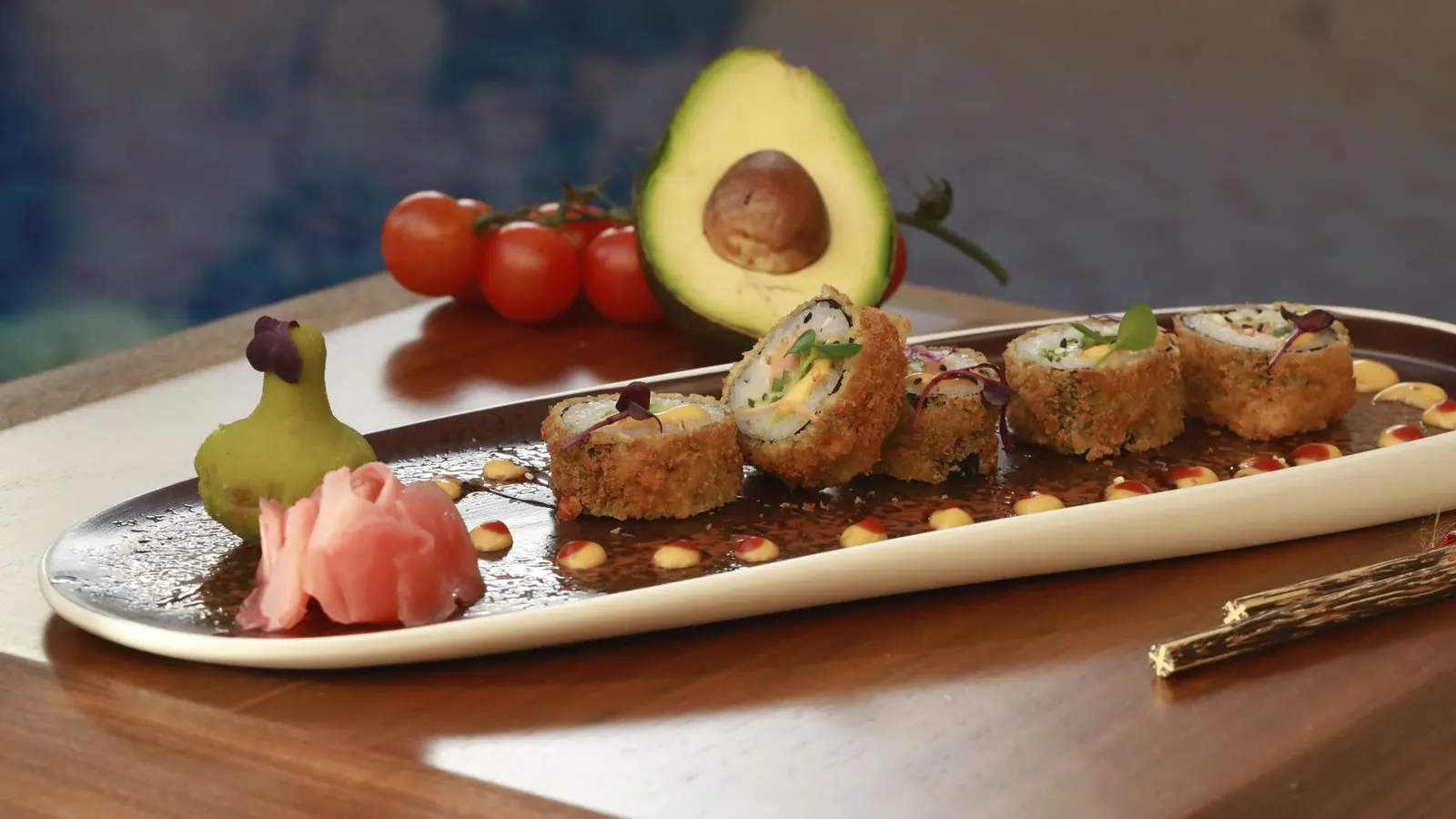
Rice on the outside, seaweed hidden inside, because that is what customers wanted. Photo via Pexels.
None of that is a scandal. That is how food works. Tex-Mex is not a watered-down version of anything. The Texas State Historical Association's Handbook of Texas describes it as a combination of Native American and Spanish cooking that became "a distinct new cuisine." Nashville hot chicken, now served far beyond Nashville, has a family legend behind it that Prince's Hot Chicken will happily tell you involves a fed-up lover and a lot of pepper.
What reviewers actually mean
Here is where it gets uncomfortable.
When researchers look at how people use "authentic" in online reviews, it often has less to do with the food than with the room. In a study of Yelp reviews of Mexican restaurants in Philadelphia, historian Dylan Gottlieb found reviewers judged authenticity heavily on "scenic cues," like the décor and who was working and eating there, JSTOR Daily reported. Many of those restaurants were run by immigrants from Puebla cooking regional dishes that most reviewers did not notice. As Gottlieb put it, "authenticity is never an objective or static category."
Sara Kay, who read 20,000 Yelp reviews for her master's thesis at NYU and wrote about it for Eater, found that about 7% used authenticity language. For restaurants serving non-European food, she found "authentic" was tied to things like dirt floors and plastic stools about 85% of the time. For European food, the same word came with more flattering associations. She also found a weak negative relationship between how much reviewers talked about authenticity and the star ratings of Chinese and Mexican restaurants.
A Stanford business school study of more than 442,000 reviews found something related: diners seemed to care less about bad health inspections at restaurants they saw as authentic, according to Stanford. One of the authors, sociologist Glenn Carroll, said whether a restaurant is authentic is "in the eye of the beholder."
Put those together and you get a strange trap for a lot of owners. Keep the plastic chairs and you are authentic but rated lower. Renovate, raise prices and print a nicer menu, and you are suddenly "not very authentic anymore."
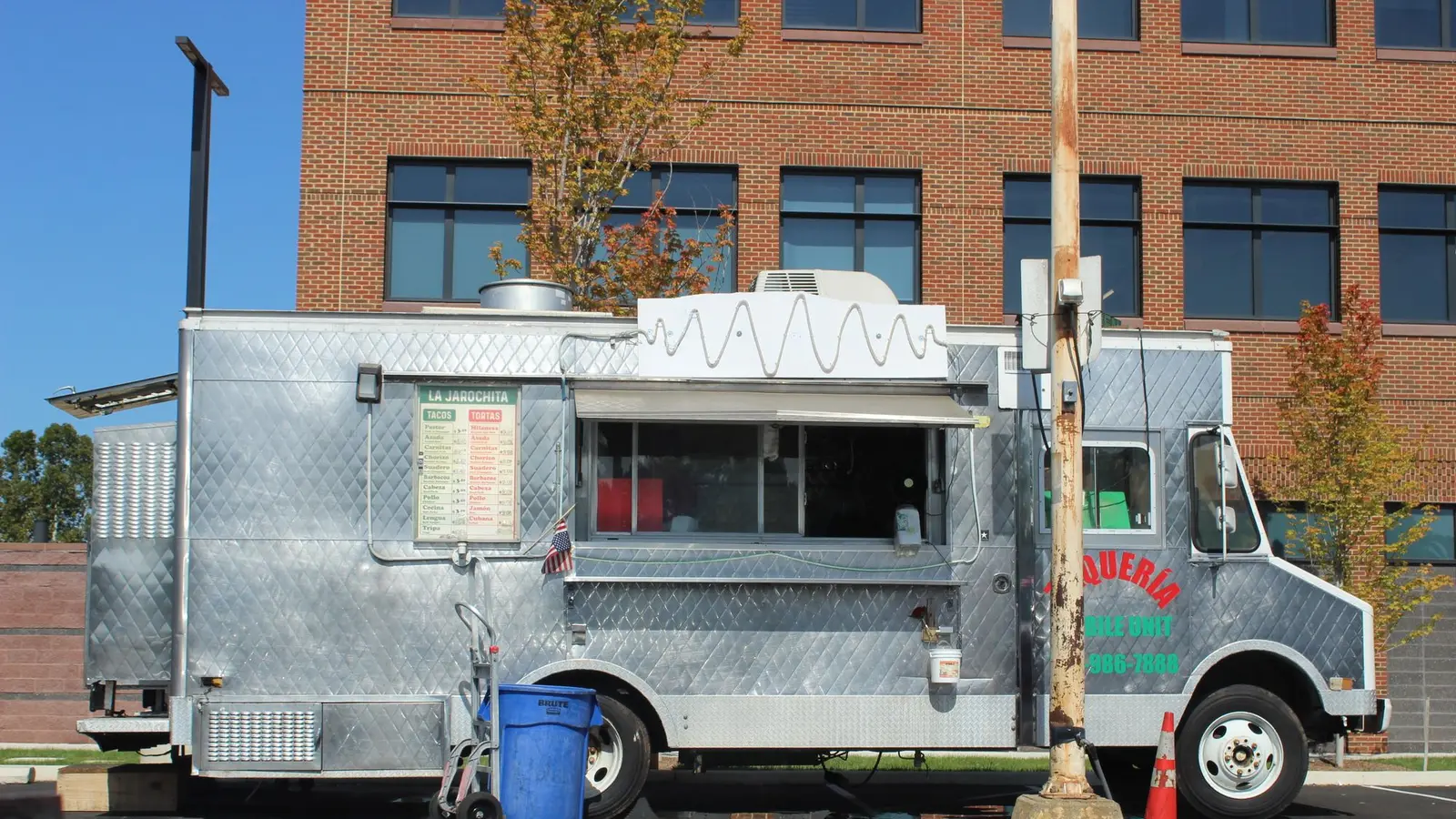
A taco truck can be wonderful. So can a restaurant with tablecloths. Neither is more real. Photo via Pexels.
Who gets to change the recipe?
The other problem with "authentic" is that it quietly decides who is allowed to innovate.
A French-trained American chef who puts miso in a butter sauce gets called creative. An immigrant owner who does the same kind of thing with her own family's food risks being called inauthentic. Roy Choi's Korean tacos, sold off a truck in Los Angeles starting in 2008, became famous far beyond Los Angeles. Choi has said the Kogi taco "really never represented Korean food; it represented L.A." That is exactly the point. It was not trying to be authentic to Seoul. It was authentic to where he was.
You can see the same thing all over our directory, in restaurants that are specific rather than "authentic":
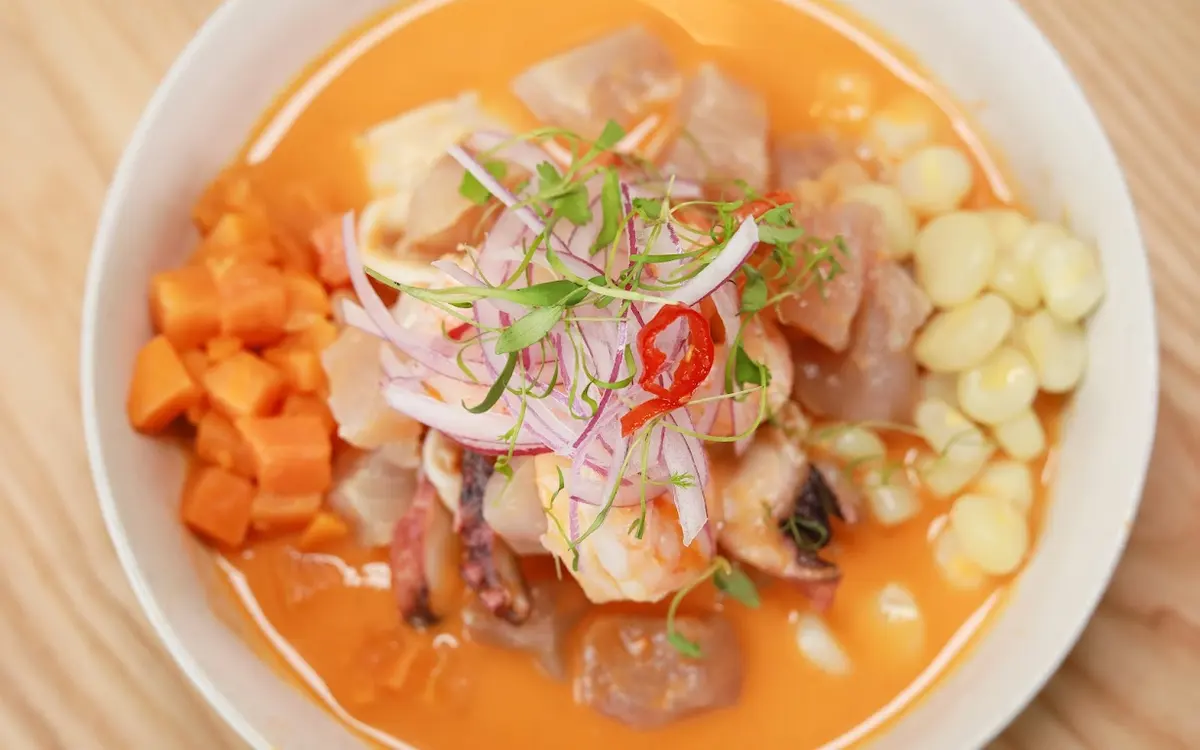
- Yunta Nikkei in Charlotte cooks Nikkei food, the Peruvian and Japanese cuisine that grew out of more than a century of Japanese families living in Peru. Is that authentically Peruvian, or authentically Japanese? It is both, and it is its own thing.
- Kiran's in Houston takes the Mughlai traditions of northern India and cooks them with French technique.
- Suzy Wong's House of Yum in Nashville is chef Arnold Myint, a Nashville native, riffing on the Asian flavors he grew up with.
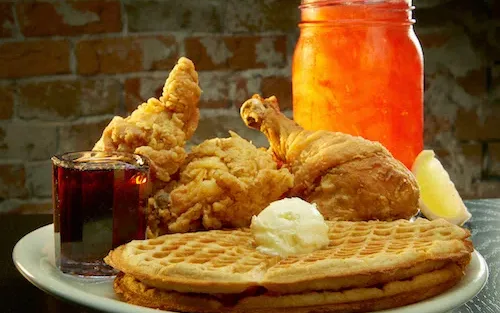
- Lo-Lo's Chicken & Waffles in Phoenix grew out of the kitchen of the founder's grandmother's Phoenix café.
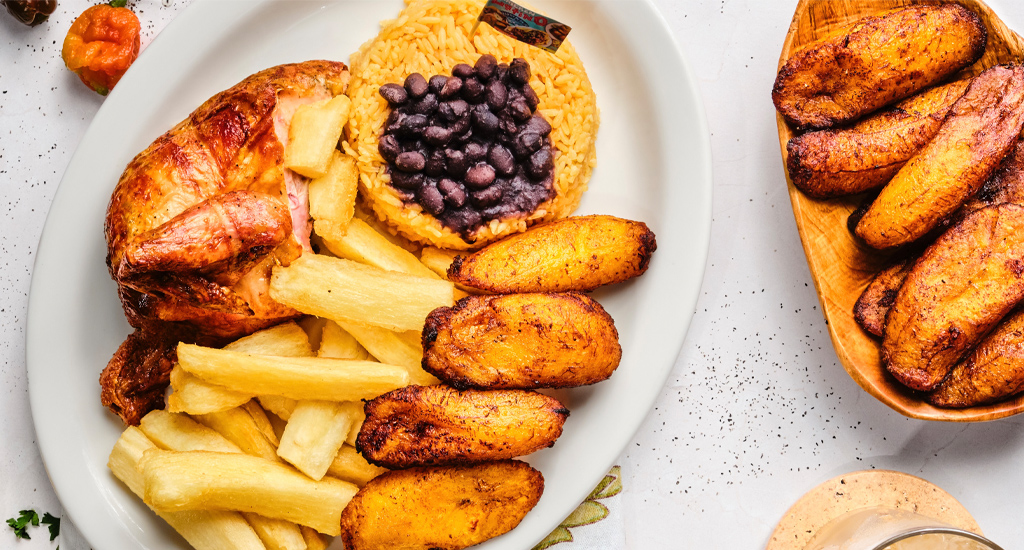
- Chicken Latino brings Peruvian rotisserie chicken to Pittsburgh.
Every one of those is a family or a cook deciding what their food is now. That is not a departure from tradition. That is what tradition has always been.
Better words
I am not suggesting anyone ban a word. But if you write reviews, recommend places to friends or run a restaurant, there are more useful things to say.
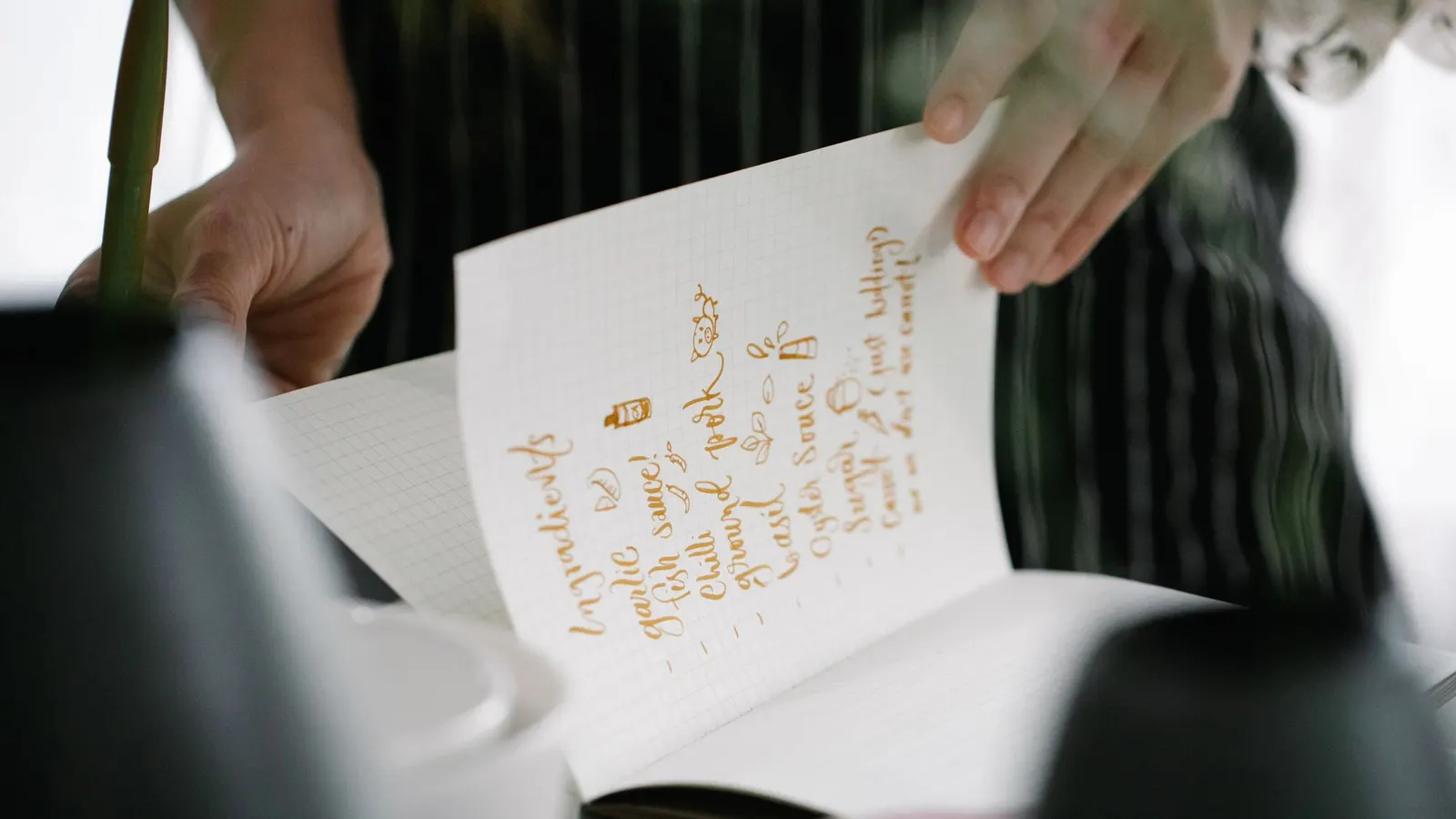
Most great recipes started as someone's notes, and got changed a little every time. Photo via Pexels.
Try being specific. Not "authentic Mexican" but "Oaxacan," "Poblano," "Sonoran" or "Tex-Mex, and proud of it." Not "authentic Chinese" but "Sichuan," "Cantonese dim sum" or "Chinese American, the way it is done in Houston." Say what the food tastes like, not whether it passed your test.
Try describing the place instead of judging its paperwork. Family-run. Chef-owned. Regional. Home-style. Modern. "Her grandmother's recipe, with more chili." Those are all things a reader can actually use.
And maybe notice when you reach for the word because the chairs were plastic. The food might just be good. That is enough.
If you want to go find some of it, start with the restaurants in our directory, or our guides to diverse-owned restaurants in Houston and in Phoenix.
Sources
- UCSD Guardian, "Priya Krishna doesn't believe in authenticity, and that's the point," November 10, 2025: ucsdguardian.org
- NPR, "Chef Eddie Huang On Cultural Identity," May 27, 2016 (via KERA): keranews.org
- TIME, "Remembering Peng Chang-kuei," December 6, 2016: time.com
- KQED, "Unwrapping the California Origins of the Fortune Cookie," April 26, 2019: kqed.org
- Smithsonian Magazine, "Chop Suey: An American Classic," August 29, 2017: smithsonianmag.com
- Montecristo Magazine, on chef Hidekazu Tojo, May 8, 2020: montecristomagazine.com
- Texas State Historical Association, Handbook of Texas, "Tex-Mex Foods": tshaonline.org
- JSTOR Daily, "Yelp and the Quest for Authentic Cuisines," September 4, 2023: daily.jstor.org
- Sara Kay, Eater NY, January 18, 2019: ny.eater.com
- Lehman, Kovács and Carroll, Management Science, 2014 (Stanford GSB): gsb.stanford.edu
- Stanford GSB Insights, "Glenn Carroll: How Important Is Authenticity?" September 2, 2014: gsb.stanford.edu
- The Splendid Table, Roy Choi interview, July 11, 2014: splendidtable.org
- Cover photo via Pexels
About this note. This is an opinion piece, signed by the person who wrote it. Any business it links to is described by its own sourced listing, and a mention here is never an ownership claim.
In this note
Every place mentioned above, with its full listing.


Go deeper
More notes

Know a place we should write about?
Tell us where you felt welcome, or list your own business free with a source you control.